Global buyers rarely purchase valve valves as isolated hardware. They purchase controlled flow, verified pressure resistance, and dependable production hours. A failed valve can stop a chemical line, leak steam, contaminate water, or delay an entire export schedule.
Industry data shows why this category deserves careful attention. Fortune Business Insights valued the global industrial valves market at approximately USD 78.95 billion in 2023. Its report projects continued growth through 2032, driven by energy, water treatment, chemicals, and infrastructure investment. The International Energy Agency also reports sustained global spending on energy security and grid development. These projects require valves that tolerate heat, corrosion, vibration, and frequent cycling.
Greg Johnson, a recognized valve-industry educator and former United Valve executive, has often emphasized, “A valve is a pressure-containing device first, and a control device second.” That distinction matters during supplier evaluation. Buyers should examine body materials, pressure classes, trim selection, actuator performance, testing records, and spare-part availability. Product photos are not enough.
Neither is the lowest quotation.
Real purchasing experience exposes uncomfortable gaps. Two valves may share the same size and flange rating, yet perform differently after months of abrasive service. Certification paperwork can look complete, while traceability remains weak. Even experienced buyers sometimes overlook installation conditions.
The better question is not, “Which valve valves supplier is cheapest?” It is, “Which supplier can prove reliable performance across the valve’s full operating life?” That answer protects budgets, workers, and plant continuity. Mistakes still happen. Good procurement reduces their frequency.
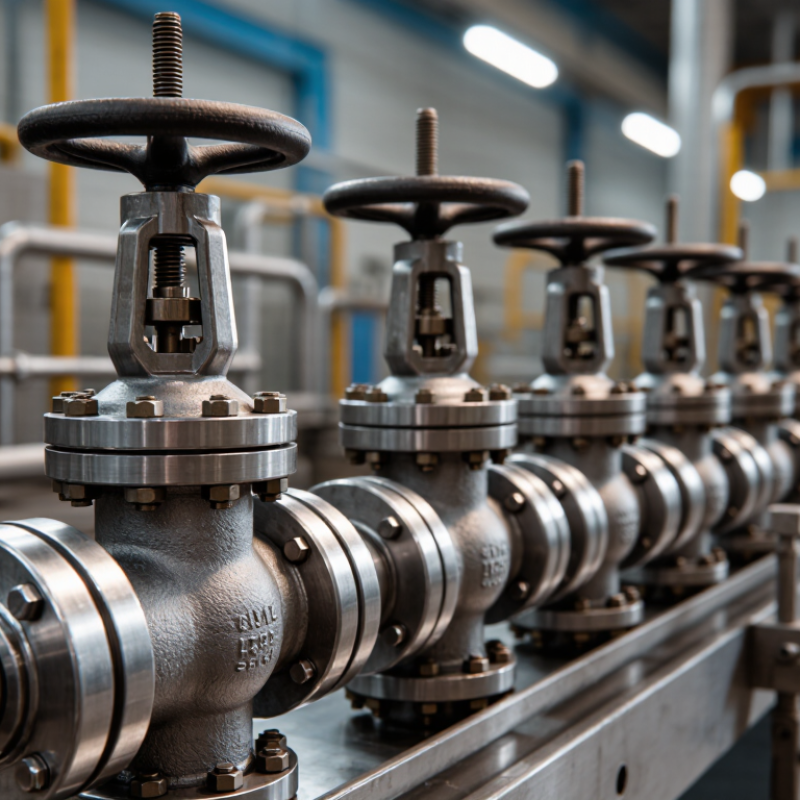
Valves are mechanical devices that control the movement of liquids, gases, or slurries through a pipeline. They can start or stop flow, reduce pressure, prevent backflow, or direct materials toward different equipment. A simple shut-off valve may isolate a tank during maintenance. A control valve can adjust flow continuously, much like a dimmer switch controls light.
In real industrial systems, valve selection depends on pressure, temperature, fluid type, connection size, and operating frequency. Common designs include ball, gate, globe, butterfly, and check valves. Each design has practical strengths and limitations. For example, a ball valve often closes quickly, while a globe valve offers finer flow adjustment. Global buyers should review material certificates, pressure-test records, dimensional drawings, and inspection procedures before approval. A polished product photo is not enough. I have seen specifications look correct until the connection standard or seal material required clarification.
Tips: Confirm the medium, pressure, temperature, and pipe standard in writing. Ask how the valve was tested. Check spare-part availability and maintenance access. Small details matter. Weaker purchasing decisions often come from unclear data, not poor equipment. An independent inspection can also reveal assembly marks, incorrect labels, or sealing damage before shipment.

Why Are Valves Important for Global Buyers?
Water treatment plants depend on valves to control intake, filtration, and wastewater discharge. Operators adjust flow as pressure changes throughout the day. A small leak can waste thousands of liters. It can also interrupt chemical dosing and maintenance work.
Process industries use valves in food production, pharmaceuticals, power generation, mining, and chemical manufacturing. Steam systems require valves that tolerate high temperature and repeated cycling. Cooling networks need accurate control near pumps, heat exchangers, and storage tanks. In compressed-air systems, isolation valves help technicians repair equipment without shutting down an entire workshop. Fire protection systems also rely on dependable valves for water release and pressure management.
Energy facilities often use valves across fuel, gas, steam, and cooling lines. Offshore and remote sites need corrosion-resistant materials and simple inspection access. Global buyers should check pressure ratings, temperature limits, media compatibility, connection standards, and spare-part availability. These details affect safety and operating costs more than a low purchase price. Field experience shows that incorrect sizing remains a common mistake. An oversized valve may respond poorly at low flow. An undersized valve can create noise, vibration, and excessive pressure loss. Specifications may look complete, yet local installation conditions can expose gaps. Suppliers should provide test records, clear manuals, and traceable material information. Reliability begins before the valve reaches the system.
| Industry or System | Typical Fluids or Media | Common Valve Types | Primary Valve Functions | Key Selection Requirements | Common Materials | Relevant Standards or Practices |
|---|---|---|---|---|---|---|
| Oil and Gas Processing | Crude oil, natural gas, refined hydrocarbons, produced water | Ball Gate Globe Check Butterfly | Isolation, flow control, backflow prevention, emergency shutdown, and pressure containment | High-pressure service, fugitive-emission control, fire-safe design, corrosion resistance, and reliable actuation | Carbon steel, stainless steel, alloy steel, duplex stainless steel | Pipeline and petroleum valve standards, pressure design codes, hazardous-area requirements, and applicable emissions-control practices |
| Water Supply and Wastewater Treatment | Drinking water, raw water, wastewater, sludge, treated effluent | Gate Butterfly Check Plug Diaphragm | Network isolation, flow regulation, pump protection, air release, and pressure management | Low head loss, resistance to corrosion and abrasion, buried-service suitability, and easy maintenance | Ductile iron, coated cast iron, stainless steel, carbon steel, engineered plastics | Potable-water contact requirements, municipal pipeline specifications, pressure-testing procedures, and sanitation rules |
| Power Generation | Feedwater, steam, condensate, cooling water, fuel, and wastewater | Gate Globe Check Butterfly Safety Relief | Steam isolation, throttling, pressure relief, condensate control, and protection against reverse flow | High temperature and pressure capability, thermal cycling resistance, tight shutoff, and service life | Carbon steel, alloy steel, stainless steel, nickel-based alloys | Boiler and pressure-vessel codes, power-piping codes, performance testing, and safety-relief requirements |
| Chemical and Petrochemical Processing | Acids, alkalis, solvents, toxic gases, corrosive liquids, and process chemicals | Ball Lined Butterfly Diaphragm Plug Control | Accurate process control, isolation, containment of hazardous media, and prevention of contamination | Chemical compatibility, corrosion resistance, low emissions, leak tightness, and material traceability | PTFE-lined materials, stainless steel, duplex alloys, nickel alloys, special polymers | Process-piping codes, hazardous-fluid regulations, pressure-equipment rules, and chemical-compatibility guidance |
| Food and Beverage Processing | Water, milk, syrups, oils, beverages, powders, cleaning and sanitizing solutions | Butterfly Ball Diaphragm Mixproof Check | Hygienic product transfer, batch separation, cleaning-in-place, drainage, and flow control | Cleanability, sanitary surface finish, non-contamination, drainability, and elastomer compatibility | Stainless steel, food-grade elastomers, and approved engineering plastics | Hygienic design principles, sanitary piping practices, clean-in-place procedures, and food-contact requirements |
| Pharmaceutical and Biotechnology | Purified water, water for injection, process gases, sterile liquids, and active ingredients | Diaphragm Sanitary Ball Pinch Check | Sterile isolation, aseptic transfer, contamination prevention, sampling, and precise process control | High cleanability, sterilization compatibility, low hold-up volume, surface finish, and documentation | Electropolished stainless steel, pharmaceutical-grade elastomers, and compatible polymers | Good manufacturing practices, hygienic engineering, sterilization validation, and cleanroom requirements |
| HVAC and Building Services | Chilled water, hot water, steam, glycol solutions, and refrigerant circuits | Ball Butterfly Globe Balancing Check | Zone isolation, temperature control, hydronic balancing, pump protection, and energy management | Low operating torque, compact installation, actuator compatibility, low leakage, and accurate modulation | Brass, bronze, ductile iron, carbon steel, stainless steel, engineered plastics | Building mechanical codes, hydronic system design practices, pressure ratings, and energy-efficiency requirements |
| Mining and Mineral Processing | Slurry, abrasive solids, process water, tailings, acids, and flotation chemicals | Slurry Knife Gate Pinch Butterfly Check Plug | Abrasive-service isolation, slurry control, pipeline protection, and tailings management | Abrasion resistance, solids-handling capacity, robust construction, replaceable wear parts, and low maintenance | Rubber-lined steel, high-chrome alloys, stainless steel, ductile iron, reinforced elastomers | Mining-pipeline practices, slurry-service testing, pressure classification, and environmental containment requirements |
| Marine and Offshore Systems | Seawater, ballast water, fuel, lubricating oil, firewater, and bilge water | Butterfly Ball Gate Globe Check | Ballast control, seawater isolation, fuel management, fire protection, and damage-control operations | Saltwater corrosion resistance, compactness, vibration tolerance, fire safety, and dependable remote operation | Marine-grade bronze, stainless steel, duplex stainless steel, coated steel, specialized alloys | Marine classification requirements, ship-piping rules, fire-safety provisions, and environmental discharge controls |
| Compressed Air and Industrial Gas Systems | Compressed air, nitrogen, oxygen, hydrogen, carbon dioxide, and inert gases | Ball Gate Globe Check Safety Relief | Gas isolation, pressure regulation, backflow prevention, distribution control, and overpressure protection | Gas compatibility, pressure rating, leakage control, cleanliness, oxygen-service suitability, and safe actuation | Brass, stainless steel, carbon steel, aluminum, compatible polymer seals | Compressed-gas safety practices, pressure-equipment codes, oxygen-cleaning procedures, and industrial-piping rules |
| Fire Protection Systems | Water, foam solution, and fire-suppression agents | Gate Butterfly Check Alarm Deluge | System isolation, automatic activation, pressure control, firewater distribution, and supervisory monitoring | Rapid response, dependable operation after long standby periods, corrosion resistance, and inspection access | Ductile iron, cast iron, carbon steel, stainless steel, engineered elastomers | Fire-protection installation codes, hydraulic design requirements, inspection procedures, and local authority rules |
| Irrigation and Agricultural Water Systems | Raw water, filtered water, fertilizer solutions, and irrigation runoff | Gate Butterfly Check Control Air Release | Water distribution, pressure regulation, pump protection, air removal, and zone control | Outdoor durability, resistance to suspended solids, simple maintenance, low power consumption, and cost efficiency | PVC, polyethylene, ductile iron, cast iron, brass, stainless steel | Irrigation-pipeline practices, potable or reclaimed-water requirements where applicable, and local installation codes |
Why Are Valves Important for Global Buyers?
Valves improve safety by controlling pressure, flow, and direction inside industrial systems. A suitable valve can isolate a leaking section within seconds. This limits damage and protects nearby workers. Pressure relief devices also reduce the risk of sudden vessel failure. However, safety depends on correct sizing, installation, and routine inspection. A valve is not a complete safety solution by itself.
Efficiency improves when valves regulate flow accurately. Stable flow reduces energy waste, vibration, and unnecessary pump operation. In water, chemical, and energy facilities, precise control also supports consistent product quality. Digital actuators can provide position feedback for faster adjustments. Manual systems still have value, especially during power interruptions. In practice, operators may overlook small calibration errors. Those errors can quietly increase operating costs.
Tips: Check pressure, temperature, media compatibility, and connection size before purchasing. Request material certificates, test records, maintenance instructions, and clear performance data. Compare expected service life, not only the initial price. Ask suppliers how the valve performs during failure conditions. Field experience matters. Even well-designed systems need human review, because operating conditions often change after installation.
How valves support safety, efficiency, and process control in industrial fluid systems
Source: U.S. Department of Energy, Improving Compressed Air System Performance: A Sourcebook for Industry, 3rd edition. Values are general industry benchmarks; actual results depend on system design, valve condition, operating pressure, and maintenance practices.
Valve selection depends on the application, not simply the purchase price. A ball valve suits quick isolation because its quarter-turn operation is simple and reliable. Gate valves work well in fully open pipelines, but frequent throttling can damage their sealing surfaces. Butterfly valves offer lighter weight and compact installation for large water lines. Check valves prevent reverse flow in pumps and discharge systems. Needle valves provide precise control for instruments and low-flow circuits. Small details matter.
Material choice must match the fluid, pressure, temperature, and surrounding environment. Stainless steel handles many corrosive fluids and demanding process conditions. Carbon steel provides strength for oil, gas, and general industrial service. Ductile iron can be practical for municipal water systems, especially where cost and size matter. Brass suits clean water and moderate temperatures, while PVC or CPVC may serve chemical and cooling lines. PTFE seats resist many aggressive chemicals, but they may soften under excessive heat. Elastomer seals also require careful compatibility checks.
Field experience shows that incorrect assumptions cause expensive failures. A valve rated for water may perform poorly with solvents, steam, or abrasive slurry. Buyers should review pressure-temperature charts, connection standards, seal materials, inspection records, and test certificates. No selection is perfect. Real operating data is sometimes incomplete, so engineers should confirm uncertain conditions before ordering. Sampling, factory testing, and documented traceability add practical confidence.
Global buyers should evaluate valves as engineered safety components, not interchangeable metal parts. The 2024 Industrial Valves Market report by MarketsandMarkets estimates the market will grow from about USD 78 billion in 2024 to over USD 100 billion by 2029. That growth reflects stricter process control and expanding water infrastructure. Buyers should confirm the medium, pressure, temperature, flow rate, and installation position before comparing prices.
Material selection needs evidence. Stainless steel may resist corrosion, but it is not suitable for every chemical or temperature. Ask for material certificates, pressure-test records, dimensional drawings, and traceability documents. Standards such as API 598, ISO 5208, and ASME B16.34 can guide inspection and acceptance. The World Health Organization and UNICEF reported that 2.2 billion people lacked safely managed drinking water in 2022. Water projects therefore require reliable sealing, simple maintenance, and long service intervals.
Actuation also deserves careful review. A quarter-turn valve with a pneumatic actuator may respond faster than a manual design, but it needs clean air and control infrastructure. Check torque margins, fail-safe position, cycle testing, and replacement-part availability. Field audits often find a small issue: the valve fits the pipe, but its actuator cannot handle real operating torque. That mistake is expensive. Buyers should calculate total ownership cost, including energy use, downtime, inspection, shipping, and technician training. A low purchase price can hide weak documentation or difficult repairs. Sometimes, the “best” specification still needs reconsideration after operators test the handle height, access space, and drainage behavior.
© Shipham Valves 2025. All Rights Reserved.
Website By PS Website Design Ltd
Request a Quote/Further Information
Download
We use cookies on this website, by continuing to browse the site you are agreeing to our use of cookies. Find out more.