China Best Valve Ball Manufacturers How to Choose?

Choosing among China’s best valve ball manufacturers requires more than comparing prices or polished catalogs. A valve ball must match the valve design, fluid, pressure, temperature, and service environment. Small differences in roundness, surface finish, or bore alignment can affect sealing performance. Experienced buyers should request material certificates, dimensional inspection records, and documented pressure-test results. These records reveal how seriously a manufacturer controls production.

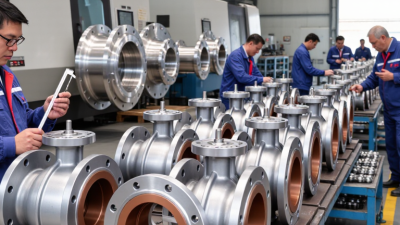
Visit the supplier’s website, factory, or verified production video when possible. Look for CNC machining equipment, clean inspection areas, and clear batch identification. Ask whether the manufacturer works with stainless steel, carbon steel, duplex steel, or special alloys. Confirm the available coatings, tolerances, and connection standards before discussing volume. A reliable supplier should explain limitations instead of promising everything. That matters in demanding applications.

Past project experience also deserves attention. Request references from industries using similar media and operating conditions. Check communication speed, sample quality, packaging, and after-sales support. A low quotation may hide inconsistent machining or weak traceability. A high quotation is not automatically safer. This is where careful judgment matters.

No single manufacturer suits every buyer. I have seen specifications look complete until coating thickness or testing responsibility remained unclear. That gap can create delays later. Compare suppliers with a written checklist, and require each response in measurable terms. The strongest choice balances technical capability, stable quality, transparent documentation, and realistic delivery commitments. Cost matters, but performance protects the entire valve system.
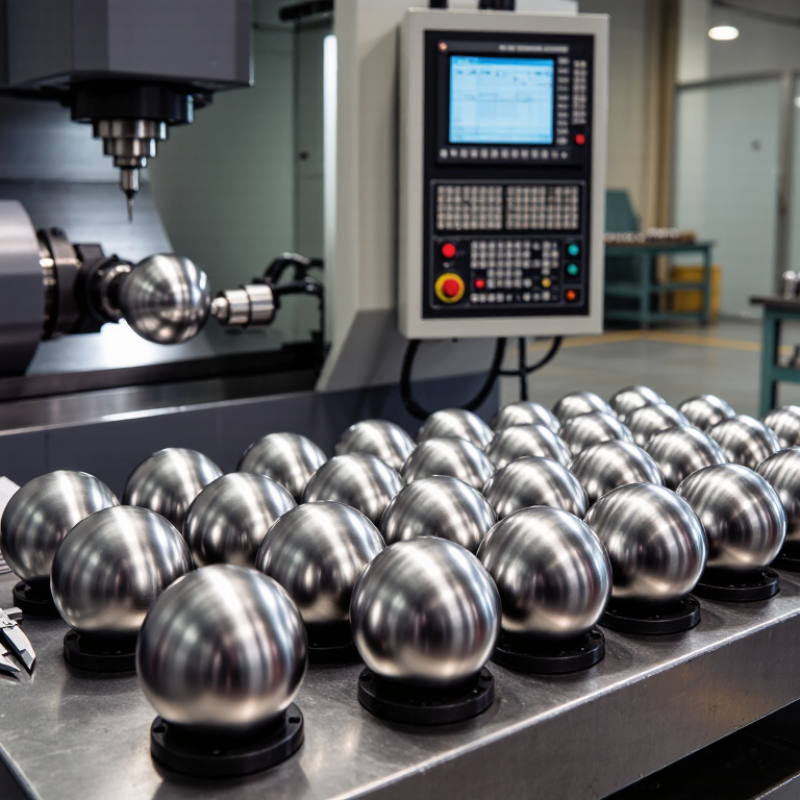
China Best Valve Ball Manufacturers How to Choose?

What Are Valve Balls and Where Are They Used?

Valve balls are precision-machined components inside many quarter-turn valves. They control flow by rotating within a valve body. When the bore aligns with the pipeline, fluid passes through. When it turns sideways, the passage closes.

Their applications include water treatment, chemical processing, oil and gas systems, food equipment, and industrial air lines. Material choice depends on pressure, temperature, corrosion, and the handled medium. Stainless steel suits many corrosive services, while coated or hardened surfaces can reduce wear. The ball must match the seat closely. Even a small machining error may cause leakage or difficult operation.

One detail is often missed. Valve balls do not work alone. Seat design, stem alignment, surface finish, and installation quality also affect service life. In maintenance inspections, debris around the seat is a common problem, especially in older pipelines. I once assumed a damaged ball was always the main failure source. That view was too simple. Poor flushing or incorrect torque can create similar symptoms. Buyers should request dimensional records, material certificates, pressure-test results, and clear tolerances from valve ball manufacturers. A reliable supplier should explain how each specification suits the actual working condition. Cost matters, but an inexpensive ball may become expensive after repeated leakage, shutdowns, or replacement work.
China Best Valve Ball Manufacturers: How to Choose?

What Are Valve Balls and Where Are They Used?

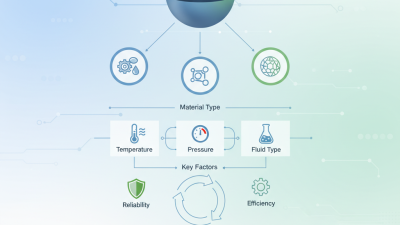
Valve balls are precision-machined spherical components used mainly in ball valves to control, isolate, or redirect fluid flow. Material selection depends on temperature, pressure, chemical compatibility, wear resistance, and sealing requirements. The chart shows representative upper continuous-service temperatures for commonly used valve-ball materials; actual limits vary by grade, design, pressure, and operating conditions.

Stainless steel valve balls are widely used in oil and gas, water treatment, chemical processing, and general industrial piping. PTFE and PEEK are common where low friction, chemical resistance, and reliable sealing are important. Ceramic valve balls are selected for highly abrasive, corrosive, or high-temperature applications.

Which Materials and Standards Define High-Quality Valve Balls?

Choosing high-quality valve balls starts with the service conditions, not appearance. Material choice matters. Stainless steel suits many corrosive fluids, while duplex stainless steel offers stronger resistance to chloride stress cracking. Nickel alloys can handle severe chemical and high-temperature environments, but they cost more. Tungsten carbide coatings may improve wear resistance in abrasive flow. The correct choice depends on pressure, temperature, fluid chemistry, and cycling frequency.

Reliable manufacturers normally trace each material to recognized specifications, such as ASTM standards for chemistry and mechanical properties. For pipeline applications, API 6D may define relevant valve requirements, while ISO 17292 covers many metal ball valve designs. Sour-service equipment may require NACE MR0175/ISO 15156 compliance.

These standards do not replace engineering judgment. They support it.

During inspection, buyers should request heat numbers, material certificates, hardness results, and dimensional records. Ball roundness, sealing-surface finish, and coating adhesion directly affect leakage performance.

A polished ball can still hide poor geometry.

Not always. I have seen attractive components fail after repeated pressure cycles because inspection focused only on surface shine. Independent checks, including pressure testing and documented calibration, make supplier claims more dependable. Clear records also reveal where quality control needs improvement.

How to Compare Manufacturing Precision and Product Performance?

China Best Valve Ball Manufacturers How to Choose?

Comparing valve manufacturers requires more than price and polished samples. Inspect ball sphericity, bore concentricity, stem alignment, and sealing-surface finish. A coordinate measuring machine can verify dimensions within drawing tolerances. Surface roughness testing also matters. Rough machining may create visible scoring after repeated cycles. Ask for calibration records, material certificates, and batch-level traceability. These documents show manufacturing discipline, not just sales confidence.

Product performance must match the service conditions. Request shell and seat test results under applicable API 598 or ISO 5208 procedures. ISO 5208 defines leakage rates for industrial valves, helping buyers compare test outcomes consistently. The U.S. Department of Energy reports that compressed-air leaks can waste 20–30% of compressor output. A small seat leak can therefore become a measurable operating cost. Check torque before and after cycling. Test the valve with the actual medium when safety permits. Water testing alone may not reveal every gas-service weakness. I have seen excellent-looking valves fail because alignment was treated as cosmetic. That mistake deserves reflection.

Tips: Compare the same pressure class, size, material, and test standard. Request cycle-test data, not only one-time certificates. Check whether instruments were recently calibrated. Review rejected-batch procedures. Ask for photos of the machined ball and sealing surface. Sample inspections are useful, but they are not proof of every shipment. Reliability grows from repeatable evidence.

How to Evaluate China-Based Valve Ball Manufacturers?

Evaluating a China-based valve ball manufacturer requires more than comparing quotations. Begin with the application: pressure, temperature, media, ball size, material, and required surface finish. Ask for drawings, tolerance records, material certificates, and coating specifications. Reliable suppliers can explain melting, forging, machining, grinding, and inspection steps. Websites prove little. Check whether testing follows applicable ISO, ASTM, or customer specifications. Do not assume one certificate covers every production batch.

Tips: Request a recent sample and inspect its roundness, sealing surface, bore size, and roughness. During a factory audit, look for calibrated gauges, controlled material storage, clean grinding areas, and traceable labels. Speak with quality engineers, not only sales staff. A small trial order can reveal packaging weaknesses, delayed responses, or inconsistent dimensions. This costs time, but it reduces expensive surprises.

Review production capacity against your expected volume. A supplier may produce excellent prototypes but struggle with repeated batches. Confirm lead times, backup equipment, inspection frequency, and corrective-action procedures. Ask how rejected balls are isolated and documented. Manufacturers that admit limitations may be safer partners than those promising everything. No evaluation is perfect. Even careful audits can miss process changes after approval, so schedule periodic reviews and request updated quality records.

China Best Valve Ball Manufacturers How to Choose? - How to Evaluate China-Based Valve Ball Manufacturers?

Evaluation Dimension What to Verify Reliable Evidence or Test Practical Benchmark Suggested Weight Score
(1–5)
Applicable standards Whether the valve ball is designed and inspected according to the standards required for the application. Review drawings, inspection plans, certificates, and the exact edition of each applicable standard. For pipeline valves, API 6D may apply; ASME B16.34 covers pressure-temperature ratings and design requirements; ISO 5211 is commonly used for actuator mounting interfaces. 12% —
Material traceability Traceability from raw material to finished ball, including heat number and processing history. Check material test certificates, heat-number records, receiving inspection reports, and marking consistency. Each critical component should be traceable to a material certificate and production batch without gaps in the record. 15% —
Material selection Suitability of the ball material and coating for pressure, temperature, fluid chemistry, erosion, and corrosion conditions. Compare the material specification with the process datasheet and request corrosion or compatibility documentation where necessary. The selected material should match the body, seat, pressure class, fluid composition, operating temperature, and expected service life. 14% —
Dimensional accuracy Accuracy of outside diameter, port geometry, stem slot, sphericity, concentricity, and surface finish. Request a dimensional inspection report, calibrated measuring equipment records, and sample inspection data. Dimensions must conform to the approved drawing and tolerance schedule; critical sealing surfaces should receive documented inspection. 14% —
Surface finish and coating Quality and consistency of polishing, plating, hard coating, or other surface treatment. Review surface-roughness readings, coating-thickness records, adhesion tests, hardness results, and visual inspection criteria. The finish should be suitable for the seat design and service medium, with measurable acceptance criteria defined before production. 10% —
Pressure and leakage testing Ability to verify shell integrity and seat performance under the specified pressure and test medium. Check hydrostatic and pneumatic test procedures, calibrated gauges, test duration, acceptance criteria, and signed reports. Testing should follow the purchase specification and applicable valve standard; leakage acceptance should be stated rather than described as “zero leakage” without a test method. 15% —
Quality management system Maturity of document control, nonconformance management, calibration, corrective action, and internal auditing. Verify a current ISO 9001 certificate through the issuing certification body and review relevant quality procedures. A certificate should cover the relevant manufacturing scope and legal manufacturing location; certification alone should not replace product inspection. 10% —
Manufacturing capability Whether the facility has suitable machining, heat-treatment, coating, inspection, and assembly resources. Conduct a remote or on-site audit and review equipment lists, process flow charts, maintenance records, and operator qualifications. Core processes and outsourced special processes should be identified, controlled, and supported by documented quality checks. 8% —
Sampling and first-article approval Willingness to produce samples and obtain written approval before mass production. Compare the sample with the approved drawing and record dimensional, material, coating, and functional results. A first-article inspection should be completed before production quantities are released. 5% —
Delivery and after-sales control Reliability of lead times, packaging, change notification, warranty handling, and technical communication. Review the production schedule, packing specification, change-control procedure, warranty terms, and corrective-action response time. The supplier should provide clear milestones, protect precision surfaces during shipping, and document any material or process change before implementation. 7% —
Total suggested evaluation weight 100% —
Scoring guidance: Rate each dimension from 1 to 5. A score of 1 indicates insufficient or unverifiable evidence, while 5 indicates complete, current, and independently verifiable evidence. Calculate the weighted result by multiplying each score by its suggested weight.

What Should Buyers Confirm Before Selecting a Supplier?

Choosing among China’s best valve ball manufacturers requires more than comparing prices or polished websites. Buyers should confirm whether the supplier understands the valve’s actual service conditions. Share the medium, temperature, pressure rating, connection standard, and operating frequency. A ball valve for clean water may fail quickly in abrasive slurry.

Ask for material certificates, pressure-test records, and dimensional inspection reports. The ball, stem, body, and seat should match the selected application. Request details about stainless steel grades, coating thickness, seal materials, and allowable temperature ranges. Small differences matter.

Audit the production process where possible. Check machining equipment, assembly cleanliness, testing instruments, and calibration records. A reliable manufacturer should provide traceability from raw material to final inspection. Serial numbers and batch records are useful when problems appear later. They also show professional control.

Do not rely on samples alone. Confirm whether mass production follows the approved sample. This is often overlooked. Ask for testing under the required pressure and duration, not only a visual inspection. Independent inspection can add confidence before shipment.

Communication quality is another practical test. Can the supplier explain tolerance limits and suggest a suitable design without exaggerating performance? Written answers are better than vague promises. I once treated fast replies as proof of competence; that was a mistake. Technical evidence matters more.

A strong supplier should also discuss packaging, spare parts, warranty terms, and response procedures. These details may seem ordinary. They often decide whether a project runs smoothly. Verify every claim before signing.

Request a Quote/Further Information

    Download