China Best Butterfly Valve Manufacturers How to Choose?

Choosing among China’s best butterfly valve manufacturers requires more than comparing prices or browsing polished product catalogs. A reliable decision begins with the operating conditions: medium, pressure, temperature, line size, cycling frequency, and installation environment. A butterfly valve used for chilled water may need different materials from one handling seawater, abrasive slurry, or corrosive chemicals. Small details matter. Seat damage can begin at the flange. Coating failure may appear months later.

Richard W. Greene, author of Valve Selection Handbook, described valve purchasing as “an engineering decision, not merely a purchasing decision.” That principle remains practical for buyers evaluating Chinese manufacturers. A professional supplier should explain body materials, disc design, shaft configuration, seat compounds, torque data, testing procedures, and applicable standards. It should also provide traceable documents instead of vague promises. Ask for pressure-test records, material certificates, dimensional drawings, and clear warranty terms. Evidence matters.

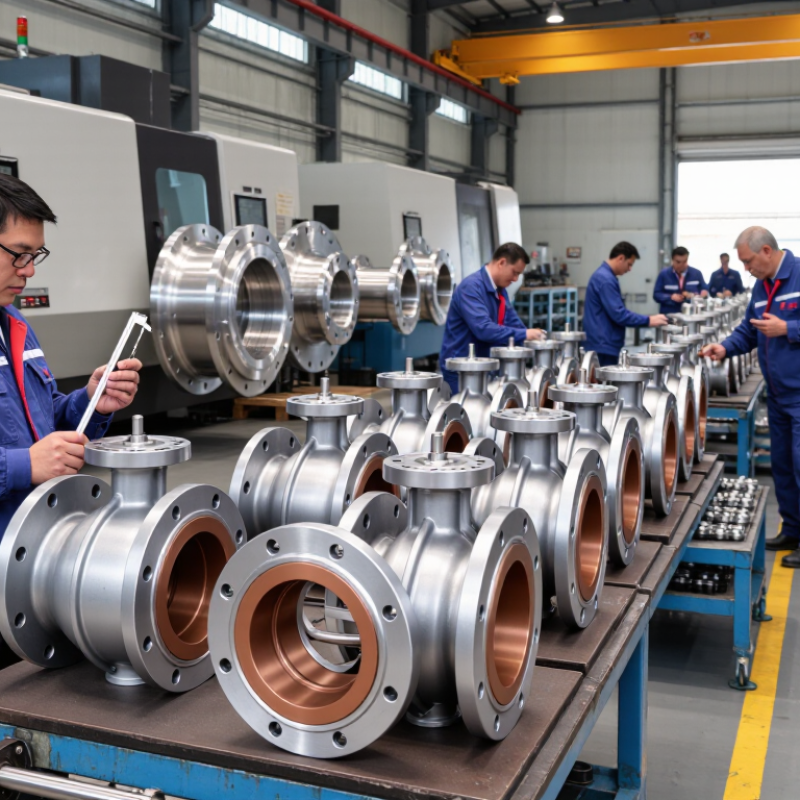
Experience still exposes weaknesses. A factory may offer impressive automation, yet struggle with customized orders or replacement parts. Another manufacturer may communicate well but lack consistent testing equipment. Neither impression proves long-term reliability. Visit the production line when possible. Examine machining accuracy, assembly cleanliness, inventory control, and final inspection. Listen to technical answers. Hesitation can be informative.

This guide examines how to compare China butterfly valve manufacturers with greater confidence. It considers engineering capability, quality systems, export experience, customization, after-sales support, and total ownership cost. The cheapest quotation can become expensive after failure, leakage, or delayed delivery. Still, no supplier is perfect. Buyers should question assumptions, verify claims, and match the valve design to actual service conditions. That careful process usually produces a safer and more dependable choice.
China Best Butterfly Valve Manufacturers How to Choose?

Define the Duty: DN Size, PN16 Pressure, Temperature, Media, and Flow Rate

Choosing among China’s best butterfly valve manufacturers starts with a precise duty definition, not a catalogue comparison. DN describes nominal size, not the exact bore. PN16 indicates a 16-bar nominal pressure rating under defined reference conditions. It is not 16 bar at every temperature.

Check the actual medium first. Water, seawater, air, slurry, and corrosive chemicals require different disc, seat, and shaft materials. EN 593 provides design guidance for metal butterfly valves, while ISO 5208 defines pressure-testing and leakage criteria. Temperature can reduce allowable pressure, especially with elastomer seats. Do not overlook that detail.

Flow rate controls the valve size and operating angle. Calculate the required flow coefficient from flow, pressure loss, and specific gravity, using consistent units. ISO 5167 principles can support reliable differential-pressure measurement. A DN100 valve may pass excessive flow if selected only by pipeline size. That mistake creates unstable control and premature seat wear. Field engineers often verify normal, minimum, and maximum flow separately. Good practice.

Ask manufacturers for pressure-temperature charts, material certificates, test records, and cycle-life data. These documents reveal more than polished product claims. I would also request media compatibility evidence, because generic “corrosion-resistant” wording is too vague. One uncomfortable point remains: many selection errors begin with incomplete process data, not poor valve workmanship. Recheck the duty before approving the quotation.
Match Wafer, Lug, Flanged, or Triple-Offset Designs to the Service

China Best Butterfly Valve Manufacturers: How to Choose?

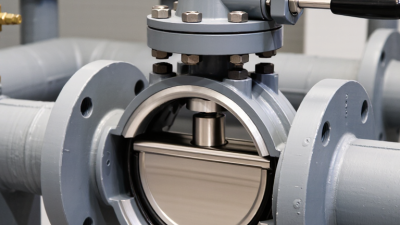
Selecting a butterfly valve starts with service conditions, not catalog price. Wafer valves fit between two flanges and suit compact, cost-sensitive piping systems. They are common in water, HVAC, and low-to-medium pressure duties. Lug valves use threaded lugs and support easier section removal. They can serve dead-end lines when the pressure rating allows it. Flanged valves provide stronger connection control for larger sizes, higher loads, and frequent maintenance. Triple-offset valves use a metal seat and eccentric disc movement. This design reduces rubbing and suits hot oil, steam, and demanding chemical service.

According to Fortune Business Insights’ Industrial Valves Market report, the global market was valued at about USD 77.4 billion in 2023. It is projected to reach approximately USD 112.6 billion by 2032. That growth reflects wider process automation and stricter flow-control requirements. However, market growth does not guarantee the right selection. A wafer valve may fail early when high temperature, pipe stress, or abrasive particles exceed its limits. I have seen specifications focus on pressure while overlooking cycling frequency. That is an expensive mistake.

Tips: Confirm pressure, temperature, media concentration, line size, and shutoff class. Check ISO 5211 mounting, flange standards, and actuator torque. For slurry, inspect wear data rather than relying on generic seat claims. Ask for tested leakage results under the actual service conditions. Cost matters, but maintenance access matters more.

Verify API 609, EN 593, ISO 5211, and ISO 5208 Test Requirements

China Best Butterfly Valve Manufacturers: How to Choose?

When comparing Chinese butterfly valve manufacturers, verify standards before comparing prices. API 609 covers butterfly valve design, dimensions, and pressure-related requirements. EN 593 applies to industrial metallic butterfly valves. ISO 5211 defines actuator mounting interfaces, preventing costly installation mismatches. ISO 5208 specifies pressure testing and leakage acceptance. These documents should appear on drawings, inspection plans, and test reports.

Market demand is rising. MarketsandMarkets estimates the industrial valves market will grow from about USD 78.6 billion in 2024 to USD 103.7 billion by 2029. Its report forecasts a 5.7% compound annual growth rate. Such growth attracts new suppliers, but certificates can be incomplete. Ask for material traceability, calibration records, and the exact edition of each standard. A certificate alone is not proof.

Request a witnessed hydrostatic test when the application is critical. Check whether the report identifies valve size, pressure class, seat material, test medium, duration, and measured leakage. ISO 5208 leakage classes must be stated clearly, not vaguely described as “zero leakage.” Confirm API 609 or EN 593 compliance through design reviews and dimensional checks. Then compare the ISO 5211 flange pattern with your actuator. Small errors create large delays. Factory audits help, though they cannot replace independent inspection. Some suppliers may pass sample testing while batch control remains weak. That deserves a second look.

China Best Butterfly Valve Manufacturers How to Choose? - Verify API 609, EN 593, ISO 5211, and ISO 5208 Test Requirements

Standard or Evaluation Area What It Covers What to Verify Before Purchase Typical Documentation or Acceptance Evidence
API 609 Butterfly valves for general-purpose and specific industrial piping applications, including resilient-seated and high-performance designs. Confirm the valve design category, nominal size, pressure class, materials, end connection, shaft arrangement, seat construction, and applicable edition of API 609. Verify that the manufacturer’s data sheet identifies all deviations or supplementary requirements. Required
Product data sheet, certified drawings, material specifications, design compliance statement, and inspection and test plan.
EN 593 Industrial metallic butterfly valves, including design, pressure-temperature rating, materials, testing, and marking requirements. Check that the valve is suitable for the stated medium, temperature, pressure, installation orientation, and pipe connection. Confirm the applicable PN or pressure designation and the required leakage class or seat-tightness level. Required
EN 593 compliance declaration, dimensional drawing, pressure-temperature chart, material certificates, and inspection records.
ISO 5211 Interface dimensions for part-turn actuators, including mounting flange dimensions, drive components, and reference torque information. Verify the actuator mounting flange designation, stem or drive-square dimensions, actuator output torque, valve operating torque, rotation angle, and mounting orientation. ISO 5211 confirms the interface; it does not by itself certify valve pressure performance. Required
ISO 5211 interface drawing, actuator sizing calculation, torque certificate, mounting dimensions, and assembled valve-actuator inspection record.
ISO 5208 Pressure testing of metallic industrial valves, including shell strength testing and closure or seat leakage testing. Confirm the selected test procedure, test medium, test pressure, test duration, allowable leakage rate, and valve position. The test class or rate must be stated clearly because ISO 5208 provides different leakage-rate designations. Required
Final pressure-test certificate showing valve identification, test pressure, duration, medium, leakage result, calibrated equipment, and acceptance criteria.
Shell Strength Test Verification that the pressure-containing body and cover assembly withstand the specified test pressure without unacceptable leakage or permanent deformation. Confirm that the body, cover, shaft-retaining components, and other pressure-containing parts are included in the test boundary. Test pressure and duration must follow the specified standard, pressure class, and purchaser requirements. Inspect
Hydrostatic test report, pressure-gauge calibration certificates, test duration record, and traceable valve serial or heat number.
Seat Leakage Test Verification of shut-off performance across the disc and seat in the specified flow direction or directions. Confirm whether the valve requires bi-directional shut-off, unidirectional shut-off, or a defined preferred flow direction. Verify the specified ISO 5208 leakage rate and whether the test is performed with water, air, or another approved medium. Inspect
Seat-test report stating test direction, medium, pressure, duration, observed leakage, and pass/fail result.
Pressure-Temperature Rating Determination of the allowable operating pressure at the intended service temperature. Compare the actual operating pressure and temperature with the valve’s certified rating. Pay special attention to resilient-seat temperature limits, lining compatibility, disc material, and reduced ratings at elevated temperature. Required
Certified pressure-temperature chart, seat and body material data, service compatibility statement, and design calculation where applicable.
Materials and Traceability Verification of body, disc, shaft, seat, fastener, and elastomer materials for the specified service. Confirm material grades, corrosion resistance, temperature capability, fluid compatibility, and any requirements for sour service, oxygen service, drinking water, or hygienic applications. Ensure all pressure-retaining materials are traceable to the supplied valve. Required
EN 10204 type 3.1 material certificates where specified, elastomer certificates, heat-number traceability, and positive material identification records when required.
Dimensions and Piping Compatibility Confirmation that the valve fits the piping system and can operate without disc interference or installation problems. Verify flange drilling, nominal size, face-to-face dimension, wafer or lug configuration, valve envelope, disc clearance, allowable flange type, and minimum pipe bore. Confirm that the selected face-to-face series matches the piping design. Required
Certified dimensional drawing, flange drilling table, installation instructions, and disc-clearance or pipe-compatibility confirmation.
Operation and Actuation Verification that the valve can be safely opened, closed, positioned, and maintained under actual operating conditions. Check maximum breakaway torque, running torque, closing torque, safety factor, operating frequency, fail position, manual override, limit switches, solenoid requirements, and actuator enclosure rating. For automated valves, verify the actuator is sized for the complete pressure and temperature range. Required
Torque calculation, actuator sizing sheet, functional test record, open/close position report, wiring diagram, and control-system compatibility statement.
Quality Control and Final Inspection Confirmation that the delivered valve conforms to the purchase specification and approved documentation. Require identification of the applicable standards, revision levels, inspection stages, nonconformance process, coating requirements, marking, packaging, and preservation. Make sure the final inspection covers appearance, dimensions, operation, pressure tests, and documentation completeness. Required
Approved inspection and test plan, final inspection release, test dossier, calibration records, nameplate photographs, and certificate of conformity.
Important: API 609 and EN 593 address butterfly-valve design and application requirements; ISO 5211 addresses the actuator mounting interface; and ISO 5208 addresses valve pressure testing and leakage-rate classification. The purchase specification should state the required standard edition, pressure designation, test medium, leakage criterion, materials, dimensions, and documentation level.

Compare Seat Materials: EPDM −40–150°C, PTFE −20–200°C, and Metal Seats

China Best Butterfly Valve Manufacturers: How to Choose?

Seat material often determines whether a butterfly valve survives real service or fails early. EPDM typically handles about −40°C to 150°C and suits water, air, and many mild chemicals. However, compatibility must be checked against oils, hydrocarbons, concentration, and cleaning agents. PTFE normally covers −20°C to 200°C, offering stronger chemical resistance and lower friction. Its wider temperature range does not guarantee better sealing in every application.

Fit matters more. Metal seats can tolerate high temperatures, abrasive particles, and demanding pressure conditions. They may also provide better fire-related performance when properly designed and tested. Yet metal-to-metal sealing can allow slightly higher leakage than resilient seats. Thermal expansion, corrosion, surface finish, and operating torque require careful review. Temperature is only one variable.

When evaluating manufacturers in China, request material certificates, pressure-test records, temperature limits, and traceability documents. Ask whether the stated range applies continuously or only during short exposure. A responsible supplier should explain seat hardness, shaft design, inspection methods, and applicable testing standards clearly. Do not accept a generic “high-temperature” claim without test conditions. I would also compare actual media data with laboratory recommendations, because a familiar chemical can behave differently at elevated temperatures. That assumption fails. The cheapest valve may become expensive after repeated replacements, but selecting PTFE or metal without checking cycle frequency can be equally misguided.

Audit Chinese Suppliers: ISO 9001, 100% Pressure Tests, Traceability, and Lead Time

China Best Butterfly Valve Manufacturers: How to Choose?

Audit Chinese valve suppliers beyond brochures. The ISO Survey 2022 recorded more than 1.2 million ISO 9001 certificates worldwide, but certification alone proves limited factory performance. Ask for the current certificate, scope, issuing body, and audit status. Confirm that it covers valve design, machining, assembly, and testing. A certificate can become wall decoration.

For every butterfly valve, request pressure-test records showing valve number, test medium, pressure, duration, operator, and result. API 598 provides widely recognized inspection and testing requirements for industrial valves. “100% tested” should mean every finished unit, not one sample per batch. Randomly match serial numbers with inspection sheets. This simple check often reveals gaps. Do not accept only a signed declaration.

Traceability should follow the valve from material certificate to final packing. Check heat numbers, elastomer batches, machining records, coating data, and corrective-action reports. Digital records help, but paper files still appear in smaller factories. That is not automatically a failure; missing links are the real concern. Lead time also needs evidence. Compare promised dates with production capacity, raw-material stock, testing queues, and shipping schedules. UNCTAD’s Review of Maritime Transport 2023 notes that maritime shipping carries over 80% of global merchandise trade, so port disruption can change delivery plans. Request a staged schedule, not one optimistic date.

Request a Quote/Further Information

    Download