Why Choose a Y Strainer Valve for Your Industrial Needs?
In industrial applications, efficiency is key. One component that has garnered attention is the Y strainer valve. Renowned expert in fluid dynamics, Dr. Emily Carter, once said, "A Y strainer valve is essential for maintaining system integrity." This highlights its importance in various processes.
The Y strainer valve serves a critical function. It filters out debris and protects sensitive equipment, ensuring smooth operations. However, not all installations achieve optimal results. Sometimes, neglecting regular maintenance leads to performance issues. It's crucial to recognize that, while Y strainer valves are reliable, they require careful attention.
Choosing the right Y strainer valve can make a significant difference. Different designs and materials cater to specific needs. Understanding these options allows industries to optimize their systems. The right choice can prevent costly downtime and extend equipment lifespan, making it a vital consideration in industrial setups.
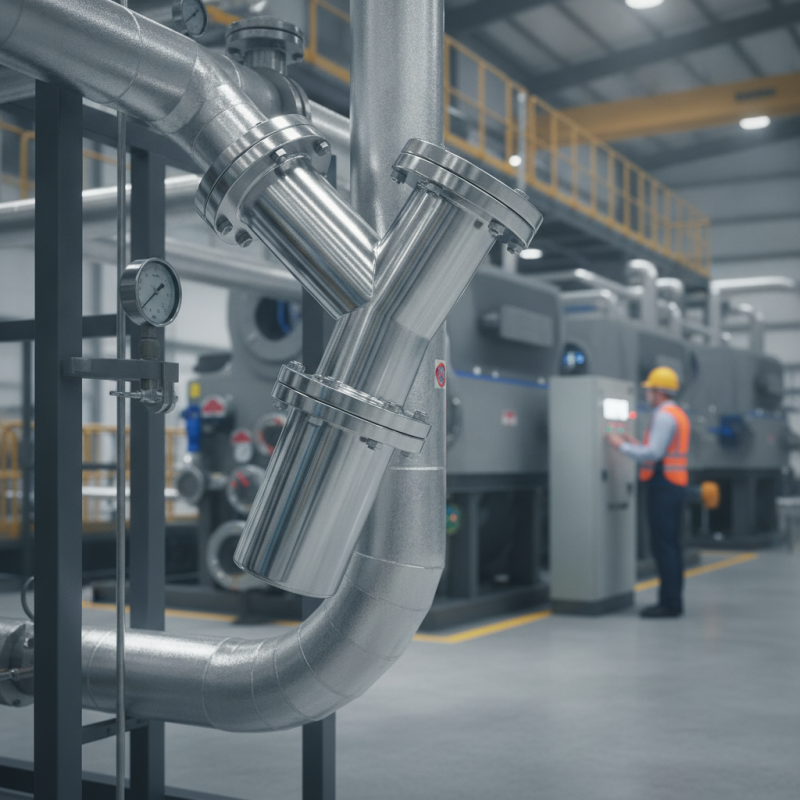
Understanding the Basics of Y Strainer Valves and Their Functionality
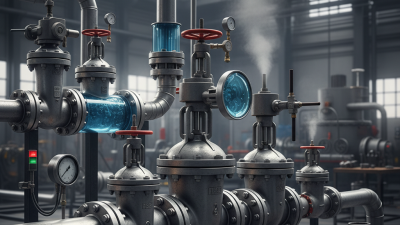
Y strainer valves are essential components in various industrial applications. They serve a crucial function by preventing debris from clogging pipelines. Understanding how these valves operate helps in making informed decisions for maintenance and installation.
The design of a Y strainer features a mesh screen that traps particles, allowing clean liquids to flow. It is commonly used in water treatment, HVAC systems, and chemical processing. Regular inspections may reveal issues like buildup or wear on the mesh. This maintenance is vital to ensure maximum efficiency and longevity.
While Y strainers effectively filter contaminants, they can also lead to pressure drops if not maintained correctly. Operators must check for clogs frequently. Neglecting this can result in costly downtime. Future improvements in design and materials could enhance performance, making maintenance simpler and more reliable.
Key Advantages of Using Y Strainer Valves Over Other Options
Y strainer valves play a crucial role in industrial applications. Their design allows effective filtration of solids from liquids. This helps maintain system efficiency. Unlike traditional strainers, Y strainers have a unique shape. This shape allows them to handle a larger flow rate. As a result, they can accommodate numerous applications without clogging.
One significant advantage of Y strainers is their easy maintenance. Users can simply clean or replace the filter elements without disassembling the entire system. This saves valuable time. Additionally, their compact design makes them suitable for tight spaces. They can be installed in various orientations. This flexibility enhances their usability in complex piping systems.
However, Y strainers are not without their drawbacks. They require regular monitoring. The mesh can become clogged over time, leading to decreased efficiency. Moreover, users must ensure they select the correct mesh size for their application. Using the wrong size may lead to ineffective filtration. Reflecting on these aspects can help users understand their limitations. Balancing between advantages and necessary caution is key to effective application.
Why Choose a Y Strainer Valve for Your Industrial Needs? - Key Advantages of Using Y Strainer Valves Over Other Options
| Feature |
Y Strainer Valve |
Other Filter Options |
| Design |
Y-shaped design allows for efficient flow and easy maintenance. |
Standard cylindrical design may restrict flow and complicate cleaning. |
| Ease of Maintenance |
Simple removal of the strainer for cleaning without compromising pipeline. |
Often requires full disassembly for access to filters. |
| Pressure Drop |
Lower pressure drop leading to increased system efficiency. |
Higher pressure drop can lead to energy losses. |
| Applications |
Suitable for a wide range of liquids and gas applications. |
Limited application suitability based on design. |
| Durability |
Robust construction for longer operational life. |
May wear out quicker under similar conditions. |
Factors to Consider When Selecting a Y Strainer Valve
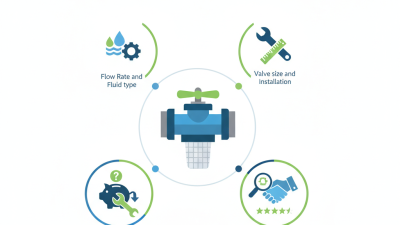
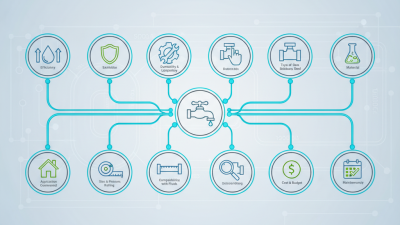
When selecting a Y strainer valve for industrial applications, several critical factors should be evaluated. The material of the strainer is essential. For instance, stainless steel is often preferred for its corrosion resistance, especially in chemical processing industries. According to industry reports, up to 30% of failures in these systems arise from using unsuitable materials.
Another important factor is the mesh size. Mesh size directly affects the straining efficiency. A finer mesh can capture smaller particles but may lead to increased pressure loss. Studies show that 15% of energy costs in a facility can be attributed to pressure drops caused by inadequate straining solutions. Balancing these parameters is crucial for operational efficiency.
Flow rate requirements also deserve attention. Assessing the maximum flow rate ensures that the strainer can handle peak demands without compromising system performance. Inaccurate estimations might lead to strainer overloads, potentially causing failures. Furthermore, consider ease of maintenance. Strainers that facilitate quick access and cleaning can reduce downtime, enhancing overall productivity. These considerations help create a reliable and effective straining solution for various industrial needs.
Why Choose a Y Strainer Valve for Your Industrial Needs?
This chart illustrates the importance of various factors when selecting a Y Strainer Valve for industrial applications. Each factor is rated on a scale from 1 to 10, reflecting its significance in ensuring optimal performance and reliability in industrial operations.
Maintenance Best Practices for Y Strainer Valves in Industrial Settings
Y strainer valves are essential in industrial settings for filtering out debris from liquids and gases. Proper maintenance of these valves is crucial for optimal performance. Regular inspections should focus on identifying wear and damage. According to a report by the American Society of Mechanical Engineers, improperly maintained strainers can lead to a 25% decrease in system efficiency.
Cleaning Y strainers routinely is a best practice. Depending on the application, strainers should be inspected monthly or quarterly. The frequency can vary based on the fluid's nature. For example, systems handling corrosive materials may require more attention. Maintenance teams should track these intervals carefully. Flushing the strainer can also remove collected debris effectively.
In addition, records of maintenance actions can serve as valuable data. These records help identify patterns in strainer performance. They may reveal recurring issues that need addressing. Transparency in maintenance logs increases accountability within teams. It strengthens operational reliability across systems. Avoiding common pitfalls in maintenance helps prevent costly downtimes.