Outdoor electrical equipment faces rain, dust, sunlight, vibration, and sudden temperature changes. An Outdoor Steel Enclosure Box provides a strong barrier against these everyday stresses. Its rigid steel body can protect control panels, junction points, power supplies, and communication devices in demanding locations.
In practical installations, enclosure performance begins with the material and finish. Galvanized or powder-coated steel can help resist corrosion when properly specified. Sealed doors, secure hinges, and suitable cable glands reduce moisture entry. Ventilation accessories may also control internal heat, especially near motors or exposed walls. Small details matter here.
Installation quality matters just as much. A poorly sealed cable entry can weaken an otherwise durable enclosure. That lesson is easy to overlook. Experienced technicians check mounting surfaces, door alignment, grounding arrangements, and drainage conditions before final placement. They also inspect fasteners after vibration or seasonal weather changes.
Steel offers excellent impact resistance and a professional appearance. It can support larger equipment without flexing like thinner materials. However, it is not a universal solution. Steel may add weight, and untreated surfaces can corrode in harsh environments. Material thickness, coating quality, IP or NEMA protection ratings, and local climate should guide the selection.
There is no perfect box.
A reliable choice balances protection, access, maintenance, and cost. Manufacturer specifications provide useful evidence, but real site conditions deserve equal attention. With careful planning and regular inspection, an Outdoor Steel Enclosure Box can support safer, cleaner, and more dependable equipment installations.
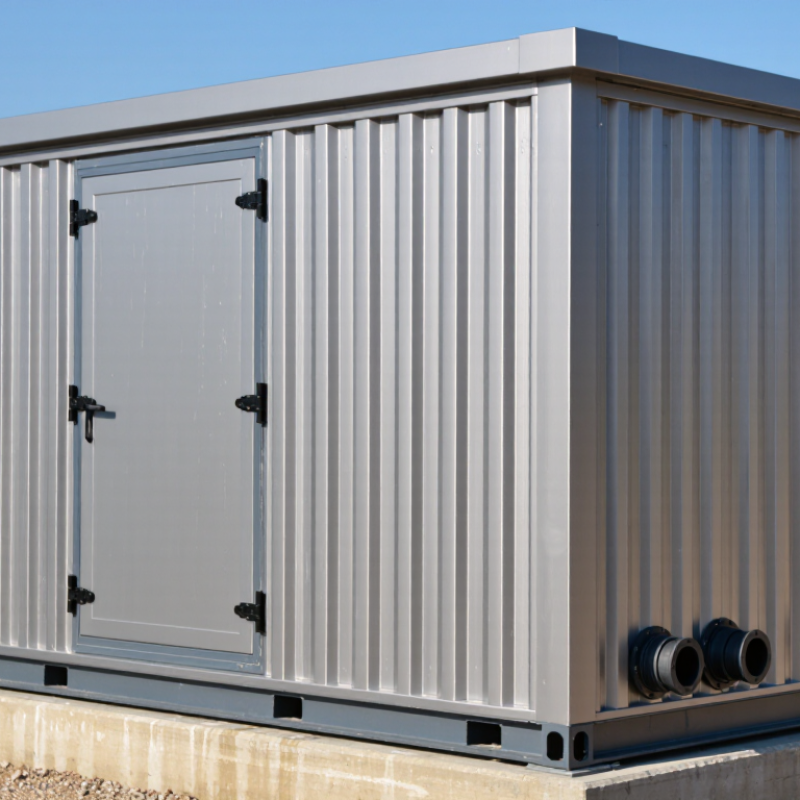
An outdoor steel enclosure box protects electrical and control equipment from rain, dust, impact, and unwanted access. It is not just a metal box. Its scope includes the cabinet body, hinged door, lock, mounting plate, cable glands, seals, and ventilation parts. Each component affects reliability outside.
The steel body provides mechanical strength around switches, terminals, power supplies, and monitoring devices. A coated surface can reduce corrosion, but coating quality matters more than appearance. Door gaskets help block moisture around the opening. Cable glands seal entry points and reduce strain on connected wires. Details matter.
In practical installations, technicians mount these enclosures on walls, poles, frames, or concrete bases. Common uses include pump controls, lighting systems, irrigation equipment, security wiring, and industrial sensors. A clear internal layout makes inspection easier, especially when gloves or poor weather slow the work. Leave enough space for heat, cable bends, and future repairs. Overfilling the box is a common mistake.
Material thickness, drainage, grounding, and the required ingress protection rating deserve careful review.
A steel enclosure may perform poorly if water collects beneath it or if the door is misaligned. Field conditions are rarely perfect.
Dust, salt air, sunlight, and temperature changes can expose weaknesses that a workshop check misses. Experienced installers often inspect seals and fasteners again after the first season.
An outdoor steel enclosure protects electrical equipment, but its IP rating tells you what protection to expect from dust and water. Under IEC 60529, the first digit describes protection against solid particles; the second describes water protection. The rating applies to a tested enclosure configuration, not every installation.
At IP54, “5” means dust ingress is limited, though the enclosure is not fully dust-tight. “4” indicates protection against water splashing from different directions. IP65 pairs a dust-tight “6” with protection against water jets. IP66 keeps the dust-tight rating and is tested against more powerful water jets. That distinction matters. A hose directed at a cabinet may create a different challenge than wind-driven rain.
Real-world details count. Small gaps matter. Cable glands, door seals, and unused openings must match the enclosure’s intended protection. A rating does not confirm resistance to corrosion, sunlight, condensation, or immersion. For example, a steel box near a damp, salty shoreline may need a suitable coating and regular seal checks. Even a high IP rating can disappoint if installation compromises its tested configuration. It is worth checking the complete assembly, not just the label.
Choosing an outdoor steel enclosure begins with the water and debris it may face. NEMA 250 Type 3R protects against rain, sleet, and snow, and against damage from external ice formation. It suits many sheltered utility areas, but it is not designed for hose-directed water. That distinction matters.
Type 4 offers stronger protection against windblown dust, rain, splashing water, and water from a hose. It also addresses external ice formation.
Type 4X provides those protections plus corrosion resistance, useful near salt air, road chemicals, or damp industrial sites. The “X” does not specify a particular steel grade; check the enclosure’s material and finish details.
A rating is only as dependable as the completed installation. A poorly sealed cable entry or a coating scratched around a cutout can become a weak point.
Check the door gasket, fasteners, mounting position, and fittings against the stated rating. Also consider heat buildup and condensation; NEMA ratings alone do not resolve either issue.
The right choice can feel less obvious once site conditions change. A coastal location with occasional hose cleaning may call for different protection than a rain-exposed wall.
Why Choose an Outdoor Steel Enclosure Box?
Why G90 Galvanized Steel Uses a 0.90 oz/ft² Zinc-Coating Standard
Outdoor electrical enclosures face rain, condensation, dust, road salt, and temperature swings. G90 galvanized steel adds a measured zinc layer before the enclosure enters service. Under ASTM A653/A653M, G90 represents 0.90 oz/ft² of zinc coating across both surfaces. That equals approximately 275 g/m², or about 19 micrometres per side when distributed evenly.
The number is not decorative. Zinc protects steel through barrier coverage and sacrificial action. Small scratches can still receive protection because nearby zinc corrodes preferentially. The NACE IMPACT study estimated global corrosion costs at about 3.4% of worldwide gross domestic product. Better material selection can reduce avoidable maintenance, although coating alone cannot solve poor drainage or damaged seams.
Field inspections often find corrosion around cut edges, hinges, and fasteners. These areas deserve more attention than broad flat panels. Salt exposure accelerates the problem. So does trapped moisture. Designers should specify sealed joints, sloped surfaces, compatible hardware, and carefully repaired cut edges. The coating mass is reliable, but real protection depends on fabrication quality. That assumption is incomplete. A thicker coating does not excuse water retention, and G90 is not automatically the best choice for every severe marine environment. Check exposure conditions against recognized corrosion classifications before final selection.
Why Choose an Outdoor Steel Enclosure Box?
Outdoor steel enclosure selection depends on more than appearance. UL 50E evaluates environmental construction and performance for electrical enclosures, but it does not create one universal load rating. Engineers must confirm mounting hardware, door weight, cable entry, wind exposure, and equipment mass. A box that feels rigid in a workshop may flex on a rooftop. That detail is easy to miss.
Corrosion control deserves equal attention. The AMPP IMPACT study estimated global corrosion costs at about $2.5 trillion annually, or 3.4% of global GDP. Outdoor steel needs a suitable coating system, sealed joints, protected cut edges, and drainage that prevents standing water. Surface preparation often matters more than coating thickness. UL 50E environmental testing can support confidence, yet real exposure remains site-specific. Salt spray, industrial moisture, and temperature cycling can defeat a careless specification.
Tips: Define the enclosure’s UL 50E type, material, finish, mounting method, and allowable load before requesting quotations. Ask for test evidence and coating details, not only a compliance label. Check door deflection after installation. It sounds minor, but poor alignment can weaken sealing. Corrosion maps and local weather records also improve selection. I have seen projects over-specify steel thickness while ignoring fasteners and cable glands. That is an imperfect trade-off, and it deserves a second review.
| Selection Dimension | Relevant UL 50E / Enclosure Consideration | Typical Steel Enclosure Implication | Best-Fit Outdoor Application | Verification Point Before Purchase |
|---|---|---|---|---|
| Basic outdoor exposure | Type 3R | Provides protection against falling rain, sleet, snow, and external ice formation. It is not intended to provide the same protection against windblown dust or hose-directed water as higher outdoor enclosure types. | Covered or exposed electrical equipment where precipitation protection is the primary requirement. | Confirm that the enclosure is marked for Type 3R use and that cable entries, doors, and drainage provisions are installed as evaluated. |
| Dust, rain, and hose-directed water | Type 3, 3S, or 3X | These outdoor types provide broader protection than Type 3R. The “X” designation adds corrosion resistance, while the specific type must still match the environmental exposure. | Outdoor control panels, instrumentation, and junction boxes exposed to windblown dust or routine washdown. | Do not treat the “X” suffix as a universal material requirement; review the marked enclosure type and the corrosion-resistance construction details. |
| Frequent washdown | Type 4 | Designed to provide protection against windblown dust and hose-directed water. Door gaskets, seams, latches, and cable glands become critical to maintaining the enclosure’s protection. | Industrial outdoor locations requiring periodic cleaning with a hose. | Check the evaluated door-gasket system, latch compression, mounting orientation, and compatible cable-entry hardware. |
| Corrosive atmosphere | Type 4X or another corrosion-resistant type | The “X” designation indicates that corrosion resistance is part of the enclosure performance. Coated carbon steel, stainless steel, and other constructions may be used, but their resistance depends on the environment and finish system. | Coastal air, salt exposure, wastewater areas, chemical processing zones, or locations with corrosive cleaning agents. | Match the material and coating system to the contaminant. Inspect cut edges, fasteners, hinges, welds, and damaged coating areas because these can become corrosion initiation points. |
| Temporary submersion risk | Type 6 or Type 6P | These types address temporary submersion; Type 6P also addresses prolonged submersion. They require a suitable enclosure design, sealing system, and installation method. | Low-lying outdoor installations, flood-prone areas, and equipment subject to temporary immersion. | Confirm the required duration and depth of submersion, then verify that the complete installed assembly—not only the empty box—meets the intended protection level. |
| Indoor dust or dripping water | Type 12, 12K, or 13 | These types are generally associated with indoor industrial conditions. They should not automatically be selected for exposed outdoor rain or snow. | Indoor manufacturing, machinery, dust-producing processes, or areas with dripping and splashing noncorrosive liquids. | Use an outdoor-rated type when rain, sleet, snow, or outdoor condensation is part of the design exposure. |
| Carbon-steel construction | Finish-dependent corrosion control | Carbon steel can provide high rigidity and economical fabrication, but outdoor durability depends on surface preparation, coating thickness, edge coverage, fastener selection, and repair procedures. | General outdoor electrical equipment where a properly specified protective coating is acceptable. | Request coating specifications, surface-preparation requirements, touch-up instructions, and evidence that the finished enclosure carries the required marking. |
| Stainless-steel construction | Material- and environment-dependent | Stainless steel can improve resistance to weathering and many corrosive environments, but it is not immune to staining, pitting, or contamination-related corrosion. | Coastal, hygienic, washdown, or chemically demanding locations where coating damage is a major concern. | Confirm the stainless-steel grade, surface finish, weld treatment, fastener compatibility, and cleaning chemicals used at the site. |
| Structural and equipment load | No universal UL 50E load value | UL 50E does not provide one universal allowable shelf, door, wall, or roof load for every enclosure. Load capacity depends on material thickness, geometry, reinforcement, hinges, latches, mounting method, and tested construction. | Enclosures carrying breakers, transformers, batteries, terminal assemblies, cable bundles, or external accessories. | Obtain manufacturer-certified static-load data or engineering calculations for the exact configuration, including door-mounted components and transport loads. |
| Wall and pole mounting | Installation-specific capacity | The enclosure body may be adequate while the mounting hardware, wall, pole, or foundation is not. Wind, vibration, seismic forces, and eccentric equipment weight can govern the design. | Outdoor control cabinets mounted on structural walls, skids, poles, or equipment frames. | Check mounting-hole locations, fastener grades, substrate strength, center of gravity, projected wind area, and required safety factors. |
| Door-mounted equipment | Hinge, latch, and deflection check | Heavy instruments, displays, disconnects, and operators can increase door sag and gasket compression variation, which may affect sealing performance. | Control cabinets with displays, pushbuttons, disconnect handles, or operator interfaces installed on the door. | Verify the permitted door load, hinge-side clearance, latch quantity, opening angle, and cable-flex requirements for the selected enclosure. |
| Temperature and condensation | Protection type does not equal thermal design | An enclosure rating addresses environmental protection, not automatic heat dissipation or condensation control. Internal equipment heat may require ventilation, a heat exchanger, air conditioner, heater, or drain solution. | Outdoor panels containing variable-frequency drives, power supplies, batteries, or other heat-generating equipment. | Calculate internal heat load, solar gain, minimum and maximum ambient temperature, humidity, and condensation risk before finalizing the enclosure size. |
| Final selection rule: Choose the enclosure type from the actual exposure—rain, dust, washdown, corrosion, or submersion—then separately verify material compatibility, coating durability, thermal performance, mounting strength, and the certified load limits of the complete installed assembly. | ||||
© Shipham Valves 2025. All Rights Reserved.
Website By PS Website Design Ltd
Request a Quote/Further Information
Download
We use cookies on this website, by continuing to browse the site you are agreeing to our use of cookies. Find out more.