Why Choose Cold Storage Freezer Units for Your Business?

A business choosing Cold Storage Freezer Units is protecting more than products. It is managing temperature, inventory, energy use, and customer confidence every hour of the day. A freezer room should hold a steady set point through busy loading periods, not just look impressive on a specification sheet. Think of warm air slipping through a frequently opened door, frost building around an evaporator, or pallets blocking airflow. Small details like these can affect product quality and operating costs.

Food refrigeration researcher Dr. Judith Evans has studied how temperature management affects food quality. The following is a paraphrase of her research perspective, not a verbatim quotation: “Consistent temperature control is essential for preserving food quality throughout storage.” That principle helps explain why equipment selection needs careful attention. Capacity, insulation, door design, airflow, monitoring, and maintenance access all matter. A unit that is too small may struggle during peak demand. One that is poorly matched to the site may consume more energy than expected.

The right choice depends on the products, daily throughput, available floor space, and local operating conditions. Ask suppliers for performance data under realistic loading patterns, and check how alarms and service support work. Then compare the full operating picture, not only the purchase price. There is no perfect unit for every business. Even a strong design needs good maintenance and trained staff. This guide explores the practical reasons businesses invest in Cold Storage Freezer Units—and the questions worth asking before installation.
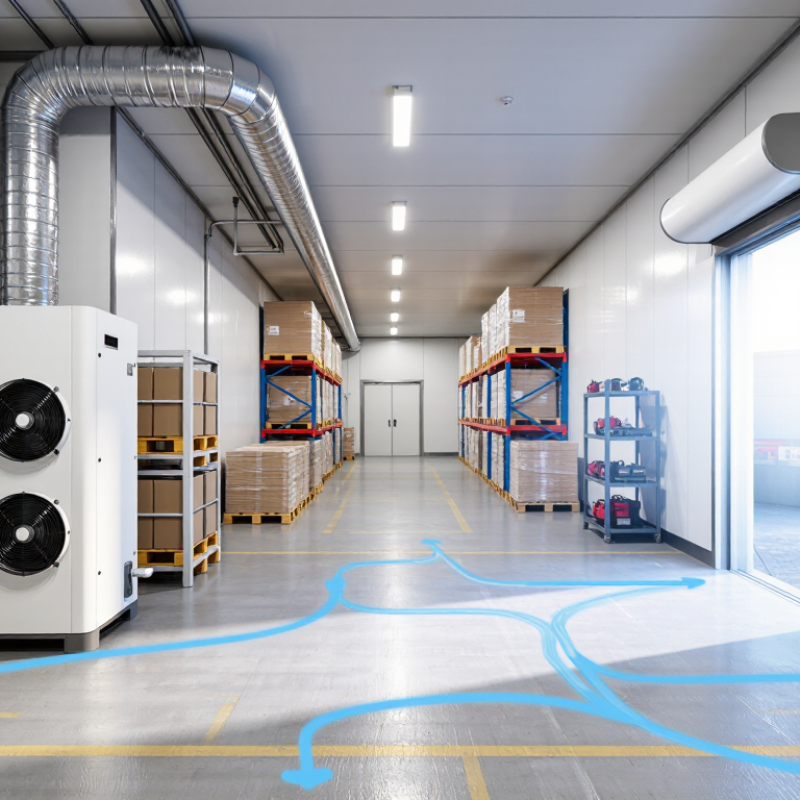
Why Choose Cold Storage Freezer Units for Your Business?

Understanding Cold Storage Freezer Units and How They Work

Understanding Cold Storage Freezer Units and How They Work

A cold storage freezer unit is an insulated room or cabinet designed to keep products below freezing. Its panels slow heat from entering, while a refrigeration system removes heat from inside. The evaporator coil absorbs heat from the air. A compressor then moves refrigerant through the system, and the condenser releases that heat outside. The cycle repeats. It sounds simple, but airflow and installation matter.

A thermostat or digital controller monitors temperature and switches cooling on when needed. Staff should avoid blocking the evaporator with boxes, since poor airflow can create warm spots. Door openings also let warm, moist air enter. You may see frost build up near the doorway. That is a useful warning, not just a cosmetic issue. Defrost settings, door seals, and regular temperature checks help maintain steady conditions. Exact operating temperatures depend on the products being stored.

Tips: Use a separate thermometer to verify the display. Keep a simple temperature log. Check seals for gaps, and leave space around stored goods. Small habits help. But readings can drift, so review them rather than assuming the unit is working perfectly.

Exploring the Main Types of Commercial Freezer Units

Commercial freezer units come in several forms, and the right choice depends on how food moves through your business. Reach-in freezers suit kitchens that need frequent access to smaller quantities. Staff can grab a tray without walking into a cold room. Look for clear shelf spacing and doors that close firmly; a door left ajar can quickly undermine temperature control.

Walk-in freezers provide room for bulk storage, wheeled racks, and larger deliveries. They can help restaurants, caterers, and food retailers organize stock by date and category. But they need floor space, suitable electrical capacity, and careful planning around loading routes. Measure the largest item you expect to store. It is an easy detail to overlook.

Undercounter freezers fit tight work areas, keeping ingredients close to the preparation bench. For rapid freezing, a blast freezer cools freshly prepared food much faster than a standard storage unit, supporting consistent texture and safer handling when used correctly. These units are not interchangeable. Match capacity and temperature settings to your products, and check temperatures with a reliable thermometer. Keep an eye on energy use, too. A larger freezer may seem reassuring, yet unused space still costs money. Even good plans sometimes need adjustment after the first busy week.

Evaluating the Benefits for Business Storage and Operations

Why Choose Cold Storage Freezer Units for Your Business?

Evaluating the Benefits for Business Storage and Operations

For many businesses, cold storage freezer units are operational infrastructure, not spare equipment. They protect temperature-sensitive inventory during receiving, preparation, and dispatch. A stable freezer can reduce spoilage, preserve product quality, and make stock counts more predictable. That matters when one missed delivery affects several customers. In a working facility, staff should find labeled goods quickly, even during a busy shift. Good internal layout helps.

The main benefit is control. Digital temperature records help managers spot gradual warming before products are compromised. Door alarms and insulated panels can limit unnecessary heat gain, while adjustable shelving improves usable capacity. Energy performance deserves close attention too. A low purchase price may hide higher electricity costs, difficult cleaning, or frequent service calls. Ask for maintenance access, alarm testing, and realistic capacity measurements. A unit advertised as large may lose space to airflow gaps and thick packaging. Good evaluation requires observing daily routines, not just reading specifications.

From practical experience, freezer placement can influence labor more than expected. A unit near the preparation area may shorten walking time, but it can also create congestion. Separate raw and ready-to-use stock where applicable. Keep aisles clear. Staff training remains essential, because an excellent unit cannot correct open doors or poor rotation. Some businesses may overestimate future demand. That is worth questioning. Modular capacity can be safer than filling an oversized room, especially when sales fluctuate. Temperature logs, cleaning schedules, and repair records provide evidence that the system remains reliable over time.

Why Choose Cold Storage Freezer Units for Your Business? - Evaluating the Benefits for Business Storage and Operations

Business consideration What a freezer unit provides Operational benefit Planning note
Temperature control A controlled frozen environment; many frozen-food operations use −18°C (0°F) or colder as a storage target. Supports consistent storage conditions for products intended to remain frozen. Setpoints depend on product specifications and applicable food-safety requirements. Verify temperatures with suitable monitoring equipment.
Inventory capacity Dedicated space for frozen stock, sized to the business’s storage volume and handling needs. Can help organize bulk purchases, seasonal stock, and frequently accessed items. Allow room for airflow, safe access, and loading; usable capacity is less than the unit’s total internal volume.
Product quality Stable freezing conditions when the unit is correctly selected, loaded, and maintained. Helps limit temperature fluctuations that can affect frozen-product quality. Packaging, storage duration, product handling, and temperature consistency all affect quality.
Stock rotation A defined storage area that can be organized by product type, delivery date, or use-by date. Makes it easier to apply first-in, first-out practices and locate stock. Use clear labeling and inventory records; freezing does not remove the need to follow product date guidance.
Food-safety procedures A dedicated place to store frozen products within the temperature limits set by the business and relevant regulations. Can support documented temperature checks and more consistent storage routines. Requirements vary by location and product. Follow local rules, written procedures, and manufacturer instructions.
Energy and running costs Refrigeration equipment with energy use affected by its design, size, insulation, ambient conditions, and operating pattern. Choosing an appropriately sized, efficient unit can help manage electricity use. Compare rated energy information and estimate costs using local electricity rates; actual consumption varies by site and use.
Workflow and access A dedicated storage zone that can be arranged around delivery, picking, and replenishment tasks. A practical layout can reduce unnecessary handling and make stock easier to retrieve. Plan door access, aisle clearance, loading frequency, and separation from incompatible products.
Maintenance and reliability A refrigeration system requiring routine inspection, cleaning, and maintenance according to its instructions. Preventive maintenance and temperature alarms can help identify issues before they disrupt storage. Include service access, alarm response procedures, and a contingency plan for equipment failure.

Choosing a Unit Based on Capacity, Temperature, and Layout

Why Choose Cold Storage Freezer Units for Your Business?

Choosing a Unit Based on Capacity, Temperature, and Layout

A freezer that looks spacious in an empty room may feel cramped once staff load boxes and need to move between shelves. Estimate peak inventory, not just an average week. Include space for air circulation, access, and deliveries. Aisles matter. If products arrive in large cartons, check door width and turning space before selecting a unit. A simple floor plan can reveal awkward corners that are easy to miss during a quick site visit.

Temperature needs depend on the products being stored and how often the door opens. Check the required storage range against the unit’s operating specifications, then consider whether frequent loading could cause fluctuations. A thermometer with a visible display helps staff spot changes; a separate temperature log can show recurring patterns. It is worth asking a qualified refrigeration professional to assess site conditions, electrical supply, and expected heat load. Details like warm kitchens nearby can affect performance.

Layout also shapes daily work. Place frequently handled items near the entrance, while keeping less-used stock farther back. Leave room for cleaning and maintenance access. That part is often underestimated. A tightly packed unit may hold more on paper, but it can slow staff and restrict airflow. Revisit your assumptions after mapping the busiest shift; the first layout is rarely perfect.

Choosing a Cold Storage Freezer Unit: Capacity, Temperature, and Layout

Temperature benchmarks help define the unit’s operating requirements: keep frozen food at 0°F (-18°C) or below, and refrigerated food at 40°F (4°C) or below. Choose capacity based on your inventory and peak demand, and check that the layout allows suitable airflow and practical access.

Maintaining Freezer Performance, Safety, and Energy Efficiency

Why Choose Cold Storage Freezer Units for Your Business?

Maintaining Freezer Performance, Safety, and Energy Efficiency

A reliable cold storage freezer protects product quality and supports steady daily operations. Performance depends on more than the unit itself. Keep door seals clean, check that doors close fully, and avoid blocking interior airflow with tightly packed cartons. A simple thermometer check can reveal temperature drift before it affects stored goods. Record readings consistently, and investigate unusual changes rather than assuming they are temporary.

Tips: Leave space around vents. Limit unnecessary door openings. Clean condenser coils as recommended by the equipment manual, and arrange qualified maintenance when warning signs persist. Ice buildup, unfamiliar noises, or longer run times deserve attention. Small checks matter.

Energy efficiency and safety often improve together. An overloaded freezer may circulate air poorly and run longer, while a damaged seal lets cold air escape. Keep the surrounding area dry and uncluttered, and make sure staff know the correct loading and cleaning procedures. Follow the manufacturer’s operating guidance, especially during defrosting and maintenance. Checklists help, though they are not perfect; busy teams sometimes miss a step. Reviewing them during routine staff training can expose gaps before they become costly problems.

Request a Quote/Further Information

    Download