Why Choose a Medical Syringe Pump for Precision Delivery?

When medication must move in tiny, controlled volumes, accuracy becomes more than a technical preference. It becomes part of patient safety. A Medical Syringe Pump supports this need by delivering fluids at carefully programmed rates, even when the flow is extremely slow. In a neonatal unit, for example, a few milliliters may need to travel steadily through narrow tubing over several hours. Small errors can matter.

Dr. Steven L. Shafer, a recognized expert in infusion pharmacology, has stated, “A pump can deliver accurately, but clinicians must still question every number.” This practical warning explains why precision technology cannot replace professional judgment. A Medical Syringe Pump should be selected according to the drug, syringe size, required flow rate, pressure conditions, and clinical environment. Alarm visibility also matters when the device sits beside a dimly lit bedside monitor.

The value is control. The limitations are real. Occlusion, incorrect syringe loading, air bubbles, and poor calibration can reduce performance. Staff training remains essential, even with advanced models. A reliable device should offer stable delivery, clear settings, responsive alarms, and documented maintenance procedures. Yet no pump is automatically perfect. Selection teams should compare tested specifications with real working conditions, not marketing promises alone. This article examines why a Medical Syringe Pump is widely chosen for precision delivery, while also considering the practical weaknesses that deserve closer review.
Why Choose a Medical Syringe Pump for Precision Delivery?

What Is a Medical Syringe Pump and How Does It Work?

Why Choose a Medical Syringe Pump for Precision Delivery?

What Is a Medical Syringe Pump and How Does It Work?

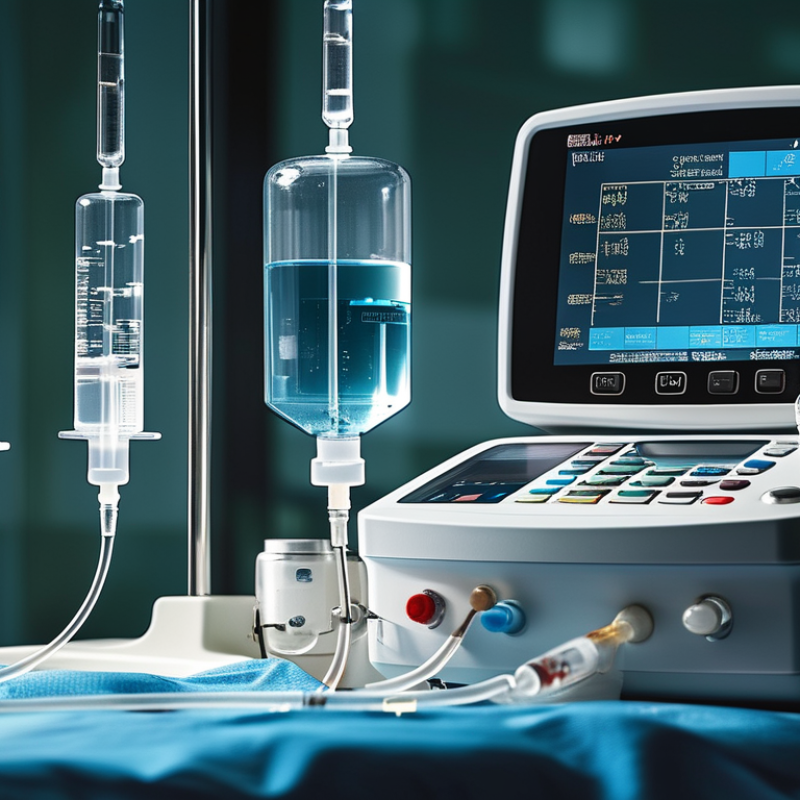
A medical syringe pump delivers fluids through a motor-driven plunger. The clinician selects the syringe size, flow rate, and volume. The motor then advances the plunger in tiny, controlled movements. This design supports low-volume delivery, especially when gravity-based systems may fluctuate. It is often used for potent medicines, neonatal care, and patients needing steady fluid administration.

The World Health Organization’s Medication Without Harm report estimates that medication errors cost about US$42 billion globally each year. Precise equipment cannot remove every clinical risk, but it can reduce uncontrolled flow and support repeatable dosing. Pressure sensors may detect occlusions, while alarms alert staff to empty syringes or abnormal resistance. The U.S. Food and Drug Administration also highlights alarm performance, flow accuracy, and user training as important infusion-pump safety factors. No pump is perfectly precise. Syringe friction, setup errors, and delayed responses still matter.

Tips: Confirm the syringe type and size before programming. Check the displayed rate against the prescription. Keep the tubing visible and trace it to the patient. Test alarms during scheduled checks. Document unusual resistance or unexpected flow. A short pause for verification can prevent a long correction later.

Why Syringe Pumps Enable Precise Medication Delivery

Why Syringe Pumps Enable Precise Medication Delivery

Syringe pumps provide controlled medication delivery when tiny volumes matter. They move the plunger at a programmed rate, often measured in milliliters per hour. This supports steady dosing for newborns, intensive-care patients, and patients receiving concentrated medicines. A slow, visible movement can be safer than repeated manual injections.

Precision is not perfection. A pump can still be programmed incorrectly. WHO’s Medication Without Harm initiative estimates that medication errors cost about US$42 billion worldwide each year. That figure shows why dose verification matters. Clinicians should check the prescription, syringe size, concentration, tubing, and patient identity before starting delivery. The U.S. FDA’s Infusion Pump Improvement Initiative also highlights risks involving software, alarms, and mechanical performance.

Good practice continues after setup. Staff should confirm occlusion alarms, inspect the line for air, and monitor the patient’s response. Syringe compatibility also matters because excessive resistance can affect flow. The delivered volume may look exact, yet the clinical result can still vary. That uncomfortable gap deserves attention. Regular maintenance, calibration, and competency training make precision more dependable. Documentation helps teams identify small deviations before they become harmful. A syringe pump is a control tool, not a substitute for clinical judgment.

Key Components That Support Controlled Infusion

A medical syringe pump supports precision delivery through a small set of carefully coordinated components. The syringe barrel holds the prescribed fluid, while the plunger driver advances it at a controlled rate. A stepper motor provides measured movement, even when the flow rate is very low. This matters during neonatal care, anesthesia, and other situations requiring stable dosing.

The pressure sensor is equally important. It detects resistance caused by a blocked line, a closed clamp, or a poorly positioned catheter. The pump can then trigger an audible alarm before pressure becomes unsafe. An anti-siphon mechanism helps prevent unintended flow when the syringe is elevated. Clear displays, secure syringe clamps, and battery backup also support safer operation during transport or power interruption. Small details matter here.

Reliable performance depends on more than the pump itself. Staff should confirm syringe size, extension-line connections, dose settings, and alarm limits before use. Regular calibration and inspection can reveal worn gears, cracked holders, or inaccurate sensors. In practical clinical checks, setup mistakes remain a common weakness. No pump is infallible. A perfectly engineered drive cannot correct an incorrectly seated syringe or an ignored alarm. Experienced teams therefore compare the displayed rate with the prescribed treatment and monitor the patient continuously. That human check is easy to overlook, yet it remains essential for controlled infusion.

Clinical Applications of Medical Syringe Pumps

Medical syringe pumps provide controlled delivery when medicines must move slowly and accurately. Their motor-driven mechanism advances the plunger at a programmed rate. Small changes matter. This control supports patients who require steady medication levels, especially when gravity infusion cannot provide reliable flow. In critical care, clinicians may use syringe pumps for sedatives, analgesics, vasoactive medicines, and carefully diluted electrolytes. Each prescription requires independent verification of the drug, concentration, route, and rate.

Neonatal and pediatric care often depends on syringe pumps because patients receive very small volumes. A few milliliters can represent many hours of treatment. In anesthesia, the pump can maintain a continuous infusion during surgery while clinicians adjust therapy to the patient’s response. Oncology units may use them for controlled supportive medicines under strict clinical protocols. Palliative care teams can also use compact pumps when symptom relief requires consistent administration outside a hospital.

Safe performance depends on more than pressing start. Staff should inspect the syringe, tubing, connections, battery, and alarm settings before use. Line patency needs regular attention. Never ignore an occlusion alarm. Compatibility problems, trapped air, incorrect dilution, or an improperly seated syringe can affect delivery. Precision is not the same as accuracy. A pump may follow its programmed rate while the setup remains wrong. That detail is easy to underestimate. Regular calibration, documented checks, and attentive bedside observation help reduce avoidable errors. Human judgment still matters.

Why Choose a Medical Syringe Pump for Precision Delivery?

Clinical Applications of Medical Syringe Pumps

Syringe pumps support controlled, low-volume delivery when medication accuracy and consistent flow are important. The chart presents representative flow-rate ranges commonly encountered in neonatal care, adult critical care, anesthesia, and pain management. Actual settings depend on the medication, patient condition, syringe size, and clinical protocol.

Factors to Consider When Choosing a Syringe Pump

Why Choose a Medical Syringe Pump for Precision Delivery?

Choosing a medical syringe pump requires more than checking its advertised flow accuracy. In clinical settings, delivery depends on syringe size, fluid thickness, tubing resistance, and setup technique. Start with the required flow range. A pump designed for slow infusion may not perform well at higher rates. Check accuracy across the full operating range, not only at one test point. Small differences matter.

Confirm syringe compatibility before purchase. The pump should hold the syringe firmly and recognize its size correctly. Examine occlusion detection, alarm timing, and anti-bolus protection. These features can help staff respond before pressure becomes dangerous. Clear controls are equally important. A readable screen, simple programming, and visible battery status reduce avoidable errors during busy shifts.

Look closely at cleaning and maintenance requirements. Smooth surfaces are easier to disinfect. The battery should support transport between care areas, but actual performance may vary with age and temperature. Ask for independent test data, calibration procedures, and documented electrical safety checks. Staff training also deserves attention. Even an accurate pump can cause problems after rushed setup or incorrect syringe selection. No pump is perfect. I would test it with the real syringe types, tubing, and fluids used in practice. A controlled trial may reveal limitations that product specifications miss.

Why Choose a Medical Syringe Pump for Precision Delivery? - Factors to Consider When Choosing a Syringe Pump

Selection Factor Relevant Data or Typical Specification Why It Matters for Precision Delivery What to Verify Before Purchase
Flow-Rate Range Common range: approximately 0.01–100 mL/h, depending on the pump model, syringe size, and operating mode. A broad, finely adjustable range supports both low-volume medication delivery and higher-volume fluid administration. Confirm the minimum increment, maximum rate, rate units, and whether the stated range applies to every supported syringe size.
Flow-Rate Accuracy Typical target: around ±2% to ±5% under specified laboratory conditions. Actual performance depends on syringe type, flow rate, temperature, and back pressure. Higher accuracy reduces the risk of under-delivery or over-delivery, particularly when administering concentrated or high-risk medicines. Review the test conditions, accuracy tolerance, start-up characteristics, and whether the specification applies to the complete delivery system.
Syringe Compatibility Common syringe capacities include 1, 3, 5, 10, 20, 30, 50, and 60 mL. Compatibility varies by pump and syringe geometry. Correct syringe recognition and secure fixation help maintain accurate plunger movement and prevent unintended displacement. Check the approved syringe list, barrel dimensions, luer connection type, plunger fit, and compatibility with the syringes used in your facility.
Volume Resolution Many programmable pumps provide volume and rate increments as small as 0.01 mL or 0.01 mL/h, although the available resolution is model-dependent. Smaller programming increments allow more precise dose and flow adjustments for low-volume infusions. Confirm the smallest selectable dose, rate, bolus volume, and displayed volume for each operating range.
Occlusion Detection Adjustable occlusion thresholds are commonly expressed in pressure units such as mmHg or kPa. Detection time varies with flow rate, tubing compliance, and threshold setting. Early detection can limit pressure buildup and alert clinicians to blocked tubing, a closed clamp, or catheter resistance. Look for adjustable thresholds, visual and audible alarms, alarm-history recording, and automatic anti-bolus or pressure-release functions.
Anti-Bolus Performance Anti-bolus systems reduce unintended fluid release after an occlusion is cleared. Residual bolus volume is device- and setup-dependent. This feature is especially important when delivering potent medicines, because pressure accumulated during an occlusion may otherwise produce a sudden dose. Request the measured residual bolus volume, test method, alarm response, and performance at different flow rates and syringe sizes.
Start-Up and Low-Flow Stability At very low rates, delivery may show initial start-up delay or short-term flow fluctuation because of mechanical compliance and syringe friction. Stable low-flow performance is essential for neonatal, pediatric, critical-care, and other low-dose applications. Review start-up curves, trumpet or flow-accuracy graphs, minimum recommended flow rate, and performance with the intended syringe.
Bolus Function Bolus volume and bolus rate are usually programmable or manually activated; available limits differ by pump configuration. Controlled bolus delivery can support priming or prescribed loading doses without compromising dose control. Verify bolus lockout, maximum bolus volume, bolus rate, dose limits, accidental-activation protection, and event logging.
Alarm and Safety Controls Important alarms include occlusion, near-empty syringe, end of infusion, low battery, door or clamp status, and system error. Clear alarms help clinicians respond quickly to interruptions, incorrect setup, or depleted power. Assess alarm volume, visual indicators, alarm priority, silence duration, remote-alarm capability, and user access controls.
Power and Battery Operation Battery operating time is commonly specified in hours and varies with display use, alarm activity, flow conditions, and battery age. Reliable battery operation maintains infusion during patient transport or temporary loss of mains power. Check battery runtime, charging time, battery replacement procedure, remaining-capacity display, and mains-failure alarm behavior.
Drug Library and Dose Limits Advanced systems may support drug libraries with concentration limits, dose-rate limits, and soft or hard safety boundaries. Dose-error reduction tools help prevent programming errors while preserving a controlled workflow. Confirm library configuration, independent review requirements, user permissions, update procedures, and audit-trail capability.
Connectivity and Data Logging Available functions may include event history, electronic records, nurse-call output, and network connectivity. Features vary significantly. Recorded infusion events improve traceability, clinical review, maintenance, and quality assurance. Verify data export format, cybersecurity controls, network integration, time synchronization, storage capacity, and audit-log retention.
Relevant Standards and Compliance Key references may include IEC 60601-1 for general medical electrical safety, IEC 60601-1-2 for electromagnetic compatibility, IEC 60601-2-24 for infusion pump safety, and ISO 7886-1 for sterile single-use syringes. Standards-based design and testing provide a structured basis for evaluating safety, performance, and compatibility. Request the applicable conformity documents, test reports, risk-management records, labeling, instructions for use, and local regulatory documentation.
Maintenance and Calibration Preventive maintenance intervals are defined by the manufacturer, usage conditions, institutional policy, and local regulations. Regular inspection helps preserve delivery accuracy and identifies wear in the drive mechanism, sensors, battery, or clamps. Check calibration procedures, accuracy verification equipment, service intervals, spare-parts availability, self-test functions, and service documentation.
Clinical Workflow and Usability Useful design features include a clear display, intuitive programming, keypad lock, pole-clamp stability, visible syringe markings, and easy cleaning. Simple, consistent operation reduces setup mistakes and supports safe use in busy clinical environments. Evaluate the user interface, language options, screen visibility, cleaning compatibility, one-handed operation, and training requirements.

Note: Performance values are representative industry ranges rather than universal guarantees. Always compare the complete technical specification and verification data for the exact pump, syringe, tubing, medication, and clinical application.

Request a Quote/Further Information

    Download