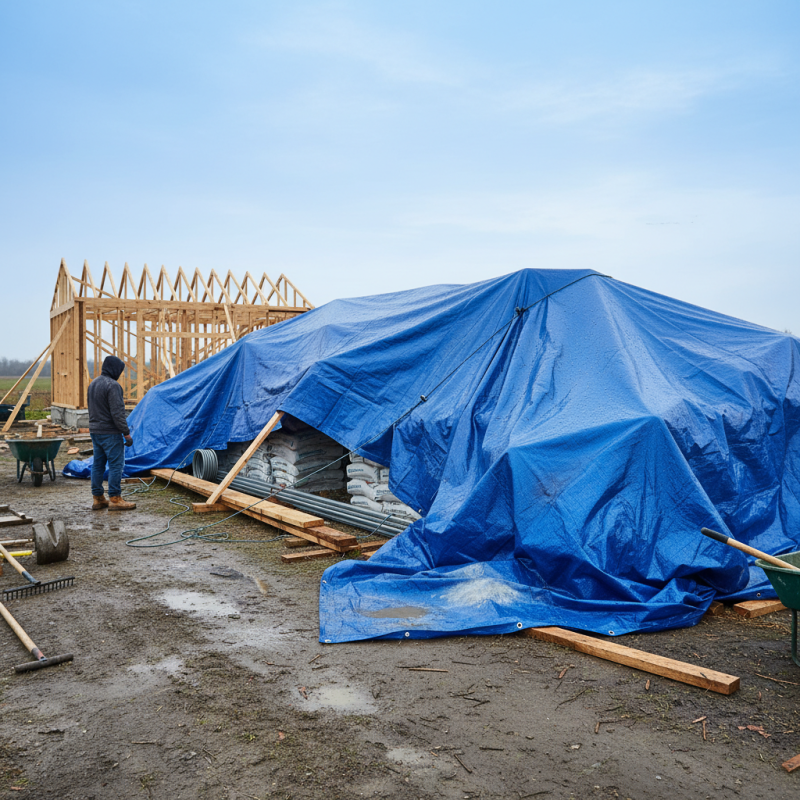
Why Choose a Big Blue Tarp for Your Next Project?
When tackling outdoor projects, choosing the right materials is crucial. Steve Johnson, a renowned tarp expert, emphasizes the importance of quality in his field. "A Big Blue Tarp can be a game changer for any project," he states. His experience shows that the right tarp can protect your work and bring peace of mind.
The Big Blue Tarp stands out for its durability and versatility. It's designed to withstand harsh weather conditions. Its lightweight nature makes it easy to transport and set up. Whether you're covering equipment or creating a makeshift shelter, this tarp has you covered.
Yet, the industry hasn't perfected everything. Some users report that not all Big Blue Tarps maintain their color over time. It's vital to assess wear and tear regularly. Every project has its challenges, but with the right tarp, progress becomes smoother. The Big Blue Tarp could be the reliable solution you didn't know you needed.
Benefits of Using Big Blue Tarps in Various Applications
Big blue tarps are versatile tools in various fields. Their durability and waterproof features make them invaluable for outdoor projects. According to industry studies, tarps can endure extreme weather conditions, with some rated to withstand winds up to 40 mph. This reliability is crucial, especially for construction and landscaping tasks. A well-placed tarp can protect equipment and materials, preventing costly damage.
In agriculture, big blue tarps serve a unique purpose. Farmers use them to cover crops during unexpected weather events. A report by the Agricultural Research Service indicates that tarps can reduce crop loss by up to 30%. This benefit emphasizes the importance of proactive measures in farming. Additionally, these tarps are often lightweight and easy to transport, making them a practical choice for many applications.
However, the effectiveness of big blue tarps can vary. Some users report issues with wear and tear over time. It’s essential to choose the right thickness and material for each specific job. Learning from previous experiences can guide future tarp purchases and applications. An informed approach ensures reliability and maximizes the benefits that big blue tarps offer.
Durability and Weather Resistance: Key Features of Big Blue Tarps
When taking on your next project, a big blue tarp can be a game changer. These tarps are notable for their exceptional durability. They can withstand harsh conditions, whether it’s intense sunlight or heavy rain. The thick material resists tearing, ensuring long-lasting use. This resilience makes them ideal for outdoor work, construction sites, or even camping trips.
Weather resistance is another major advantage. Big blue tarps repel water effectively, keeping your equipment and supplies safe from moisture. They also offer UV protection, guarding against sun damage. This feature is crucial when prolonged exposure to the sun can degrade other materials. You'll find these tarps can cover a wide range of items without the risk of wear.
Tips: Always check the tarp's thickness before purchasing. A thicker tarp usually provides better protection. Ensure you secure the tarp properly with weights or stakes. During windy conditions, even a strong tarp can be lifted. Consider folding the tarp neatly when not in use. This helps in maintaining its durability and extends its lifespan.
Cost-Effectiveness: Comparing Big Blue Tarps to Other Covering Options
When considering covering options for your next project, cost-effectiveness is often a key factor. Big blue tarps provide an affordable solution for various needs. Their price point typically undercuts many traditional coverings. A heavy-duty tarp can protect equipment or materials at a fraction of the cost of more permanent options. This makes the big blue tarp a practical choice for both DIY enthusiasts and professionals.
Many might overlook the durability of a tarp when comparing costs. High-quality tarps are built to withstand harsh weather and heavy wear. While some coverings may have a higher upfront cost, they may not always offer the same longevity. Users often report mixed experiences with expensive alternatives that failed after just a season. There's an undeniable appeal in a well-made tarp that performs admirably and doesn’t break the bank.
It’s essential to weigh initial costs against potential replacements. A big blue tarp represents flexibility for temporary setups. However, they aren’t perfect. Users should reflect on their specific project needs before deciding. The choice ultimately hinges on balancing short-term budgets and long-term requirements.
Common Uses of Big Blue Tarps in Construction and Landscaping Projects
Big blue tarps are versatile tools frequently used in construction and landscaping. Their durability and water-resistant properties make them ideal for various applications. A study from the Construction Industry Institute found that tarp usage can reduce project downtime by up to 30%. This efficiency can significantly impact project timelines and budgets.
In landscaping, big blue tarps are commonly employed for protecting plants during adverse weather. They shield materials such as soil and mulch during transportation or storage. Research published in the Journal of Environmental Horticulture emphasizes that proper cover can reduce soil erosion by over 40%. Additionally, using a tarp allows for easier cleanup and organization on job sites.
However, the choice of tarp can be overwhelming. Not every tarp is created equal, and some may not withstand harsh conditions. Users often report that cheaper tarps may tear easily or fail to provide adequate coverage. It's crucial to assess your project's needs and understand the limitations of your options. Decisions based solely on price can lead to complications down the line. Managing expectations regarding durability can help avoid frustration later in the project.
Common Uses of Big Blue Tarps in Construction and Landscaping Projects
Industry Insights: Statistics on Tarp Usage and Customer Satisfaction
Tarps have become essential tools across various industries. According to a recent survey by the Tarp Manufacturers Association, over 75% of contractors report using tarps for outdoor projects. The versatility of tarps is reflected in their multiple applications—from protecting equipment to covering materials during transport. Statistics indicate that 65% of respondents expressed high satisfaction with tarp performance in wind and rain conditions.
Customer feedback highlights durability as a primary factor. Approximately 58% of users noted that high-quality tarps significantly extend the lifespan of their projects. Still, some customers struggle to find the perfect fit for specific needs. Despite the challenges, the growing usage of tarps showcases a trend toward sustainable practices. Many users are now prioritizing eco-friendly materials over traditional options.
However, not all tarps are created equal. A notable 30% of respondents had issues with slipping or inadequate support systems. This underscores the importance of careful selection. Investing in a reliable tarp can reduce long-term costs. Overall, the data reflects a shift towards more informed purchasing, as customers seek better quality and performance in their material choices.