What Is a PTFE Elgiloy Lip Seal?
A Ptfe Elgiloy Lip Seal combines a low-friction PTFE sealing element with a resilient Elgiloy metal energizer. This design supports demanding rotary and reciprocating applications. It is often selected where temperature changes, chemical exposure, and limited lubrication challenge conventional elastomer seals. The PTFE lip forms the primary sealing contact, while the Elgiloy spring helps maintain pressure against the shaft or housing.
Understanding this seal requires more than reading a material specification. Installation quality, shaft finish, pressure direction, and operating speed strongly influence performance. A clean shaft with controlled roughness can reduce wear and leakage. In contrast, a scratched surface may damage the lip within hours. Small details matter. Elgiloy also offers strong corrosion resistance and stable spring properties across a broad temperature range, but no seal fits every system. Engineers should verify media compatibility, thermal expansion, pressure limits, and dynamic movement before approval.
This guide examines how a Ptfe Elgiloy Lip Seal works, where it performs well, and what can cause premature failure. It draws on practical sealing principles and application-focused evaluation rather than relying on material names alone. Some recommendations remain approximate because manufacturers use different compounds, lip geometries, and energizer designs. That uncertainty deserves attention. A reliable selection process compares actual operating conditions with documented test data, supplier expertise, and field experience. Done carefully, the result can be a durable sealing solution with predictable maintenance needs.
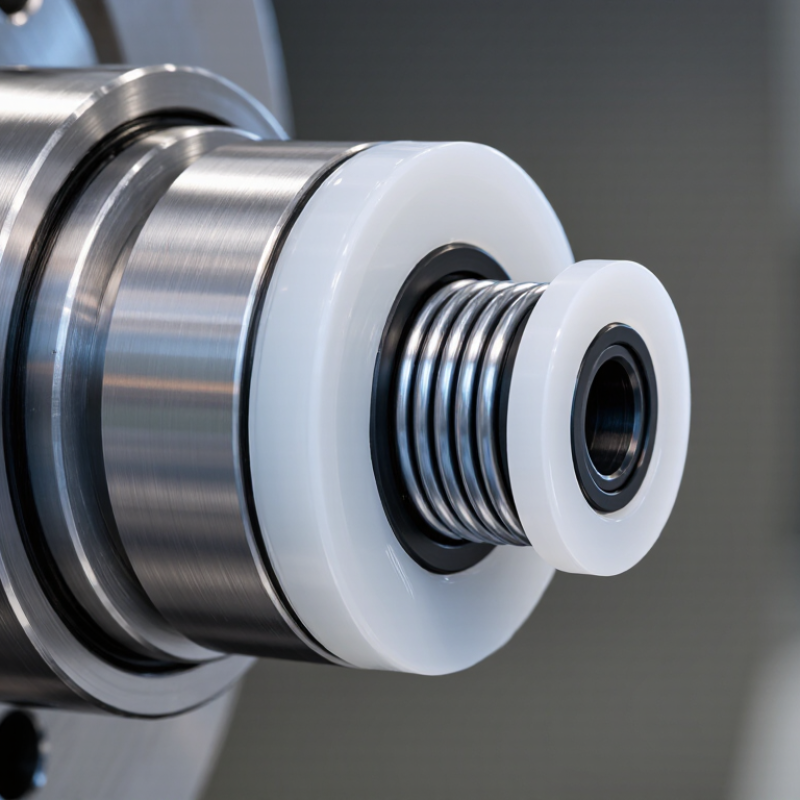
Definition of a PTFE Elgiloy Lip Seal
A PTFE Elgiloy lip seal is a spring-energized sealing component. It combines a low-friction PTFE sealing jacket with an Elgiloy spring. The spring keeps the lip pressed against a shaft or bore. This contact helps block fluids, gases, and fine particles during equipment operation.
PTFE offers strong chemical resistance and a smooth sliding surface. The Elgiloy spring supports consistent sealing force under demanding conditions. This combination suits pumps, valves, hydraulic equipment, and rotating assemblies. It can perform across temperature changes and repeated movement. However, it is not a universal solution. Pressure, shaft speed, media compatibility, and surface finish still affect service life. A rough shaft may wear the lip quickly. Incorrect spring loading may also cause leakage or excessive friction. Real-world testing remains important, even when the material data looks suitable.
Tips: Check the seal direction before installation. Keep the PTFE lip free from cuts and dust. Use the recommended lubricant only when compatible with the process fluid. Inspect the shaft for scratches, burrs, and corrosion. Do not force the seal over sharp edges. That small mistake is common. Engineers should also confirm temperature limits, pressure changes, and chemical exposure with reliable test data. A careful fit usually matters more than a complicated design.
What Is a PTFE Elgiloy Lip Seal?
A PTFE Elgiloy lip seal is a spring-energized sealing element. The PTFE lip provides low-friction contact with the moving surface, while the corrosion-resistant cobalt-based spring maintains sealing force as the seal wears or experiences temperature changes.
The chart shows the commonly cited continuous service temperature range for PTFE, approximately −200°C to 260°C. Actual seal performance depends on pressure, shaft speed, surface finish, chemical exposure, and the specific PTFE formulation and spring design.
Seal Structure and Operating Mechanism
A PTFE lip seal with a cobalt-based alloy energizer combines flexibility, chemical resistance, and spring force. The PTFE sealing ring forms the sliding lip. Its thin edge contacts the shaft or housing bore. The metal energizer sits behind the lip. It maintains contact when pressure, temperature, or material relaxation changes. This structure is compact, but every clearance matters.
During operation, system pressure pushes the lip against the counterface. The energizer supports contact during low-pressure or idle conditions. PTFE also creates a low-friction sliding interface. NASA Technical Memorandum 100180 reports that PTFE friction and wear vary greatly with load, speed, and filler content. ASTM D1894 data commonly show dry PTFE friction near 0.04–0.10, but this range is not a design guarantee. Surface finish, lubrication, and heat can change results. Wear debris may also become a quiet failure signal.
Tip
Keep the shaft surface smooth, clean, and properly hardened. Check lip orientation carefully. The pressure side must face the sealed fluid. For rotating service, verify speed, temperature, pressure, and chemical exposure together. ISO 23936-2 emphasizes material compatibility under combined pressure, temperature, and fluid conditions. One practical weakness remains: a seal can look correct while excessive shaft runout destroys the lip. I would inspect runout and installation damage before blaming the material. A small chamfer helps prevent lip rollover, though poor tooling can still cut PTFE.
Performance Advantages and Technical Limitations
What Is a PTFE Elgiloy Lip Seal?
A PTFE lip seal uses a spring-loaded polymer lip to control fluid movement. Its metallic energizer is a cobalt-based, corrosion-resistant alloy. This structure supports sealing when pressure changes or the shaft moves slightly. PTFE also offers low friction, chemical resistance, and a broad working range, often near -200°C to 260°C. Industry material data commonly reports a friction coefficient around 0.05–0.10 for filled PTFE compounds. However, actual results depend on surface finish, speed, pressure, and lubrication.
Performance advantages become clear in demanding equipment. The seal can reduce startup torque and resist many oils, fuels, solvents, and aggressive process fluids. Technical guidance linked to ISO 23936-2 and ASTM D4894 highlights the importance of compound selection and test conditions. A smooth shaft helps. A typical recommended surface finish may remain near 0.2–0.4 μm Ra, but application standards differ. Pressure capability is not universal. Thin lips can deform under pressure, especially with high speed or poor support. PTFE also creeps under sustained load, while abrasive particles can score the sealing edge. These limits are sometimes underestimated.
Tips: Check pressure, temperature, shaft speed, and chemical exposure together. Inspect the shaft for grooves before installation. Do not assume a higher temperature rating guarantees long life. Practical trials still matter, and laboratory data can look better than field conditions. Small alignment errors may create early leakage. That point deserves more attention.
Common Applications and Selection Considerations
What Is a PTFE Elgiloy Lip Seal?
A PTFE lip seal uses a low-friction sealing element around a rotating or moving shaft. Its spring energizer maintains contact when pressure, temperature, or motion changes. In demanding designs, a cobalt-based corrosion-resistant alloy may support the lip. This combination suits chemical processing, pumps, compressors, hydraulic equipment, and rotating machinery exposed to harsh fluids.
Application conditions determine whether the seal performs reliably. Check the fluid, operating temperature, pressure, shaft speed, and shaft surface finish. Chemical compatibility matters, even when PTFE appears suitable. A rough shaft can wear the lip quickly. Excessive pressure may also deform the sealing edge. Engineers should verify pressure direction and consider whether the seal runs dry during startup. That detail is often missed. A specification can look complete yet hide a weak assumption.
Tips: Match the energizer alloy to the chemical environment. Confirm the shaft hardness and surface finish. Measure actual speed, not only the equipment’s rated speed. Protect the lip during installation. A small scratch can create a visible leak later. If operating data is uncertain, test the seal under realistic temperature, pressure, and fluid conditions. Selection is rarely perfect on the first attempt. Reviewing early wear patterns can reveal whether the problem involves material choice, installation, or system design.