Top 10 Wholesale Carbon Steel Rebar Suppliers in China?
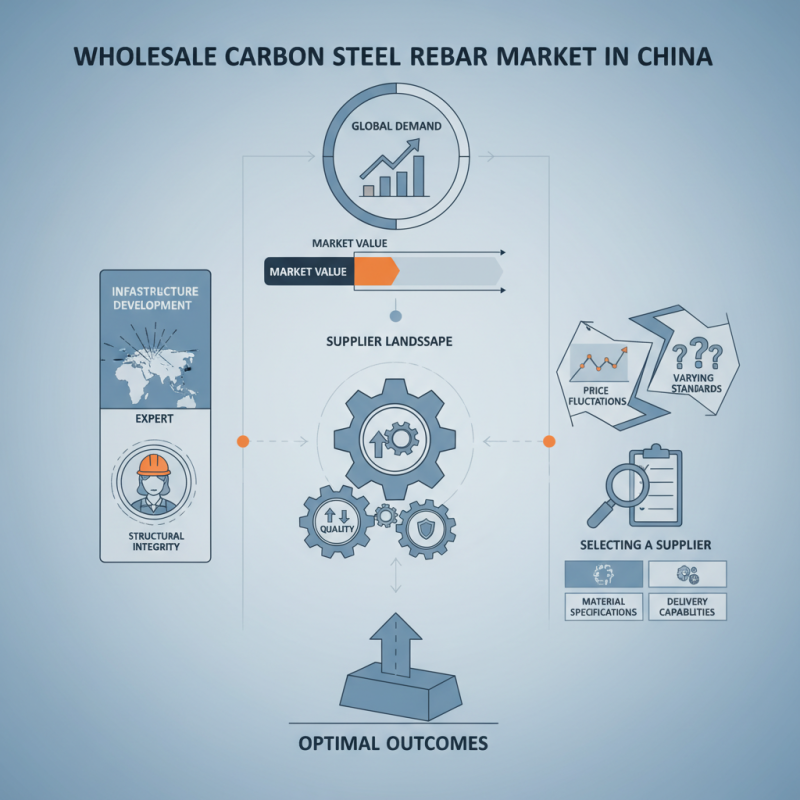
The global demand for Wholesale Carbon Steel Rebar is on the rise, reflecting the booming construction sector. According to a recent market report by ResearchAndMarkets, the global rebar market is expected to reach $230 billion by 2027. This growth is driven by a surge in infrastructure development in emerging economies, particularly in Asia-Pacific regions.
Expert in the field, Dr. Jennifer Lee, noted, “Wholesale Carbon Steel Rebar plays a crucial role in ensuring structural integrity and safety in modern construction.” As many suppliers scramble to keep pace with this growth, the need for reliable partners becomes paramount. The competitive landscape features numerous suppliers, each vying for market share while maintaining quality and compliance with industry standards.
However, businesses often face challenges in sourcing high-quality rebar. Price fluctuations and varying standards can lead to inconsistencies. Many companies overlook essential aspects of supplier reliability. Selecting the right supplier is not merely about cost—it involves understanding material specifications and delivery capabilities. With a multitude of options available, careful evaluation is necessary to ensure optimal outcomes in construction projects.
Overview of Carbon Steel Rebar and Its Applications
Carbon steel rebar is a crucial component in the construction industry. It strengthens concrete structures, enhancing durability and load-bearing capacity. According to industry reports, global demand for carbon steel rebar is projected to grow by 4.0% annually through 2025. This growth reflects urbanization trends and increased infrastructure projects worldwide.
In construction, concrete alone cannot withstand tension. Carbon steel rebar addresses this limitation effectively. Its properties include high tensile strength and corrosion resistance. Architects and engineers often rely on it for bridges, buildings, and highways. Many projects incorporate precise ratios of carbon and other elements to optimize performance. For instance, a typical construction requires rebar with a yield strength of 400 MPa.
Tips: When selecting suppliers, prioritize those with ISO certifications. Quality is paramount in ensuring structural integrity. Always request mill test certificates to verify material specifications. Understanding the supplier’s production process can lead to better choices. Transparency in sourcing and manufacturing is essential for project success.
Criteria for Selecting Wholesale Rebar Suppliers in China
Selecting wholesale carbon steel rebar suppliers in China requires careful consideration. Start by evaluating the supplier's experience in the industry. Suppliers with several years of operation usually have established networks and processes. They are more likely to deliver quality products consistently. An experienced supplier is often viewed as a reliable partner.
Next, assess the quality of the rebar. Request certifications and quality reports. A reputable supplier will have clear documentation of their quality control processes. Look for suppliers who adhere to international standards. This compliance can significantly impact the durability of your projects. Remember, the cost should not be the only factor. Quality is often worth the investment.
Communicate openly with potential suppliers. This is critical for a successful partnership. Building a good relationship may reveal insights about their reliability. Take time to check references or reviews from previous clients. This can provide a deeper understanding of their reputation. Be mindful of any red flags. If something feels off, it might be worth reconsidering the supplier's suitability.
Top 10 Wholesale Carbon Steel Rebar Suppliers in China
Top Manufacturers of Carbon Steel Rebar in China
When it comes to sourcing carbon steel rebar, China stands out as a leading market. The country hosts numerous manufacturers specializing in this essential construction material. These suppliers are known for their quality, competitive pricing, and large production capacities, which address the high demand in both local and global markets.
Tips: When evaluating suppliers, check their certifications and production processes. Reliable manufacturers should comply with international quality standards. Requesting samples can help ensure the quality of the rebar.
China's carbon steel rebar suppliers often invest in advanced technology to enhance production efficiency. Sustainability is also a growing focus. Many suppliers are exploring eco-friendly practices in their operations. However, some companies may struggle to maintain consistent quality amid rapid growth.
Tips: Always verify the supplier's experience and reputation. Online reviews can provide insights into their reliability. Building a good relationship with suppliers can lead to better negotiation outcomes.
Evaluation of Supplier Quality and Reliability
When evaluating suppliers in the wholesale carbon steel rebar market, quality and reliability take center stage. According to industry reports, approximately 40% of construction failures can be traced back to the use of subpar materials. Therefore, assessing a supplier's history and reputation is crucial for project success.
A reliable supplier should demonstrate consistent product quality. They should possess certifications relevant to international standards, such as ISO 9001. Quality testing reports are essential. A significant 70% of industry professionals prioritize material testing in their supplier evaluation processes. Suppliers that fail to provide transparent testing data may not guarantee the reliability needed for large projects.
Additionally, delivery timelines and customer service responsiveness play critical roles. Companies often report delays due to unreliable suppliers. In fact, 30% of surveyed contractors have faced project delays attributed to late material shipments. Choosing a supplier who communicates effectively and adheres to timelines can mitigate these risks. This highlights the importance of thorough supplier evaluations before making any commitments.
Top 10 Wholesale Carbon Steel Rebar Suppliers in China
| Supplier Rank | Location | Annual Revenue (in million USD) | Years in Business | Quality Certification | Customer Satisfaction Rating |
| 1 | Shandong | 150 | 20 | ISO 9001 | 4.8/5 |
| 2 | Hebei | 120 | 15 | API, ISO 9001 | 4.7/5 |
| 3 | Jiangsu | 100 | 10 | ISO 14001 | 4.6/5 |
| 4 | Liaoning | 80 | 12 | CE, ISO 9001 | 4.5/5 |
| 5 | Zhejiang | 90 | 8 | ISO 9001, API | 4.4/5 |
| 6 | Shanghai | 70 | 7 | ISO 9001 | 4.3/5 |
| 7 | Tianjin | 60 | 5 | CE | 4.2/5 |
| 8 | Anhui | 50 | 6 | ISO 9001 | 4.5/5 |
| 9 | Guangdong | 40 | 4 | ISO 9001 | 4.1/5 |
| 10 | Fujian | 30 | 3 | CE | 4.0/5 |
Market Trends and Future Outlook for Carbon Steel Rebar Supply
The carbon steel rebar market is experiencing significant shifts. Recent data from industry analysts indicate a projected growth rate of approximately 4.2% annually over the next five years. This growth is fueled primarily by the construction sector. Increased infrastructure projects worldwide are boosting demand for reliable and high-quality rebar.
In China, supply dynamics are also changing. Reports suggest a rise in production capacity among local suppliers. However, challenges remain. Fluctuating raw material prices such as iron ore pose risks. Additionally, environmental regulations impact production efficiency. Suppliers must adapt to these irregularities to maintain their market position.
The focus on sustainability is reshaping supply chains. Many suppliers now adopt eco-friendly practices. Industry surveys show that 70% of manufacturers are exploring greener alternatives. This shift may lead to innovations in product offerings. Suppliers need to balance cost-effectiveness with sustainability efforts. Such dual objectives could become a significant differentiator in the competitive landscape.