Top Trends in Extrusion Presses for 2026 What You Need to Know
As we approach 2026, the landscape of Extrusion Presses is transforming rapidly. Industry expert Dr. Emily Carter emphasizes, "Innovation in extrusion technology will redefine manufacturing standards." This statement encapsulates the shifts we are witnessing. Driven by automation and sustainability, the extrusion industry is not just evolving; it is revolutionizing.
Recent advancements in materials and designs are reshaping production capabilities. Companies are now focusing on energy efficiency and waste reduction. However, amidst these positive changes, challenges remain. Adapting to new technologies demands substantial investment and employee retraining. Moreover, navigating the complexities of sustainability can be overwhelming for many organizations.
The emerging trends in Extrusion Presses highlight the need for continuous learning. As we delve deeper into these advancements, a critical view of existing practices is indispensable. Embracing innovation while reflecting on current methodologies will be the cornerstone for success in the extrusion industry.
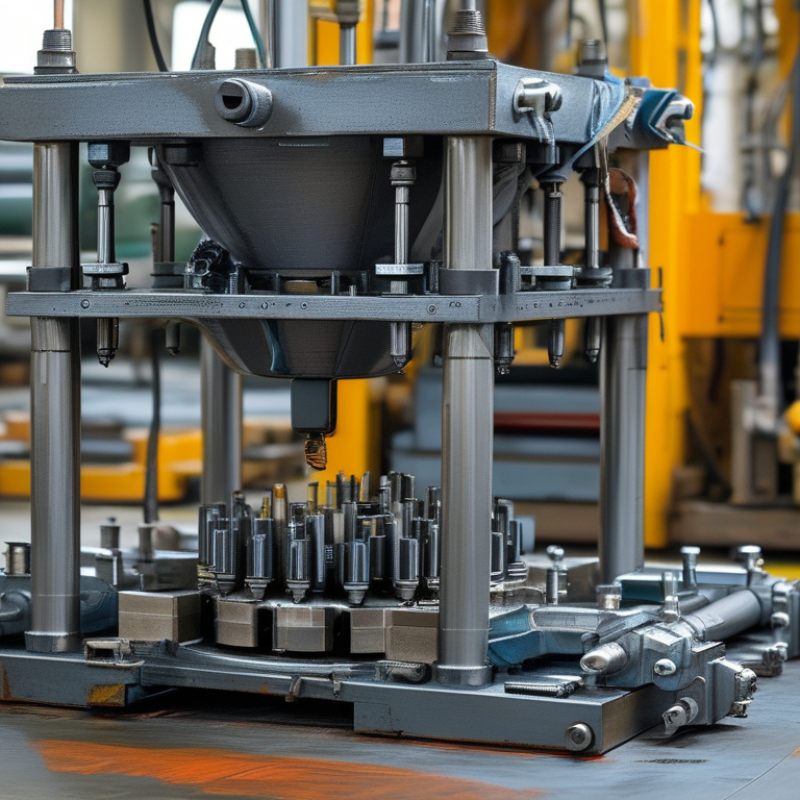
Top Innovations in Extrusion Press Design for Enhanced Efficiency
In recent years, the extrusion press industry has witnessed significant innovations aimed at boosting efficiency. According to a 2023 industry report, manufacturers are increasingly adopting smarter control systems. These systems enhance real-time monitoring, allowing operators to adjust parameters instantly for optimal performance. Enhanced automation is reducing manual intervention and minimizing errors.
The integration of advanced materials is another key trend. New alloys and composites are being used to enhance durability and temperature resistance. As a result, presses require less maintenance. Data from a recent study indicates that these innovations can lead to a 20% increase in output efficiency. Moreover, energy consumption is declining, with reports suggesting up to a 15% reduction. However, not all innovations are free from challenges. The balance between cost and technological advancement often raises questions in product selection.
Sustainability is also gaining traction. Extrusion presses that utilize recycled materials are becoming more common. However, the need for reliable data on long-term performance remains a hurdle. Companies must weigh the benefits of using sustainable materials against the potential implications on quality and output. Addressing these complexities will be essential as the industry moves into 2026 and beyond.
Top Trends in Extrusion Presses for 2026
Integration of Smart Technology in Extrusion Press Operations
The integration of smart technology in extrusion press operations is a game-changer for the manufacturing sector. Industry reports indicate that by 2026, over 70% of extrusion presses will incorporate advanced smart technology. This shift is driven by the need for efficiency and real-time monitoring. Operators can now track machine performance, detect anomalies, and predict maintenance needs through data analytics.
Smart sensors and IoT connectivity play crucial roles in this transformation. Companies can reduce downtime and optimize production. According to a recent study, manufacturers using smart technologies report a 15% increase in overall productivity. However, there are challenges. Not all employees are trained to handle these advanced systems. There can be significant resistance to adopting new technologies, which can create operational hiccups.
Furthermore, cybersecurity is a growing concern as more devices connect to networks. Potential vulnerabilities may expose sensitive operational data. Addressing these challenges is essential for a smooth transition. Organizations must invest in training and security measures to harness the full potential of smart technology in their extrusion processes.
Sustainability Practices in Extrusion Press Manufacturing Processes
Sustainability is reshaping the landscape of extrusion press manufacturing. Companies are increasingly driven to implement eco-friendly practices. This shift is not only about meeting regulations but also building brand reputation. A focus on reducing waste during production can yield significant benefits. Simple steps like optimizing material usage can lead to fewer scraps and lower costs.
The integration of renewable energy sources in extrusion processes is gaining traction. Solar panels and wind turbines can power machinery, decreasing the carbon footprint. Using recycled materials in production also significantly impacts sustainability goals. However, challenges remain, such as ensuring material quality and availability. Many manufacturers grapple with balancing sustainability with cost-effectiveness.
Innovations in technology play a pivotal role in this transformation. Automated systems help monitor energy consumption, providing data for improvement. Yet, companies must remain vigilant. The pursuit of sustainability can lead to unforeseen complications in logistics and supply chains. Recognizing these potential pitfalls is essential for long-term success in eco-friendly extrusion press manufacturing.
Top Trends in Extrusion Presses for 2026
| Trend | Description | Sustainability Impact | Expected Adoption Rate (%) |
| Energy Efficiency Enhancements | Improvements in energy consumption metrics through advanced technology integration. | Reduces carbon footprint and operational costs. | 85% |
| Recyclable Materials Use | Increased utilization of recyclable and biodegradable materials in extrusion processes. | Minimizes waste and promotes circular economy. | 75% |
| Automated Processes | Implementation of automation in extrusion processes for precision and efficiency. | Enhances productivity while lowering energy usage. | 90% |
| Predictive Maintenance | Use of IoT and data analytics for predictive maintenance systems. | Reduces downtime and resource wastage. | 70% |
| Water Conservation Techniques | Innovations to reduce water usage during extrusion processes. | Addresses severe water scarcity issues in manufacturing. | 80% |
Future Material Trends Influencing Extrusion Press Applications
The extrusion press industry is evolving rapidly. Future material trends are significantly shaping extrusion press applications. The focus is on sustainable materials, which are becoming increasingly popular. Manufacturers are exploring bioplastics and recycled materials. These alternatives reduce waste and minimize environmental impact.
New composites are also gaining traction. They offer enhanced strength-to-weight ratios. These materials are ideal for applications in automotive and aerospace industries. However, transitioning to new materials poses challenges. Compatibility with existing machinery and processes must be assessed. Many companies struggle to adapt their technologies effectively.
Moreover, the demand for smart materials is rising. These materials can respond to environmental changes. They open new avenues for product functionality. However, more research is needed to understand their long-term performance. It raises questions about durability and reliability in various extrusion applications. As the industry moves forward, these trends will shape the future. Companies need to remain agile and adaptive to thrive in this dynamic landscape.
Market Demands and Their Impact on Extrusion Press Development
The extrusion press market is undergoing significant changes due to evolving market demands. As industries shift towards sustainability, there is a growing need for energy-efficient equipment. According to a recent report by MarketWatch, demand for energy-efficient extrusion presses is projected to increase by 15% by 2026. This shift is primarily driven by government regulations and corporate responsibility initiatives aimed at reducing carbon footprints.
In addition to energy efficiency, the customization of extrusion presses is becoming essential. Industries are looking for machines that can adapt to diverse material requirements. Data from Mordor Intelligence indicates that the market for customized extrusion solutions will expand by 10% annually. Companies are investing in advanced technology to meet these specific needs while enhancing productivity.
**Tip:** Regularly assess your production goals and determine which extrusion features align best with your efficiency needs.
Challenges remain in finding the right balance between cost and innovation. While advanced models offer impressive features, they come with higher initial costs. Manufacturers must evaluate the long-term benefits of investment versus short-term savings. Staying informed on technological advancements and market trends is crucial.
**Tip:** Engage with industry experts to gain insights on future trends and best practices in extrusion press technology.