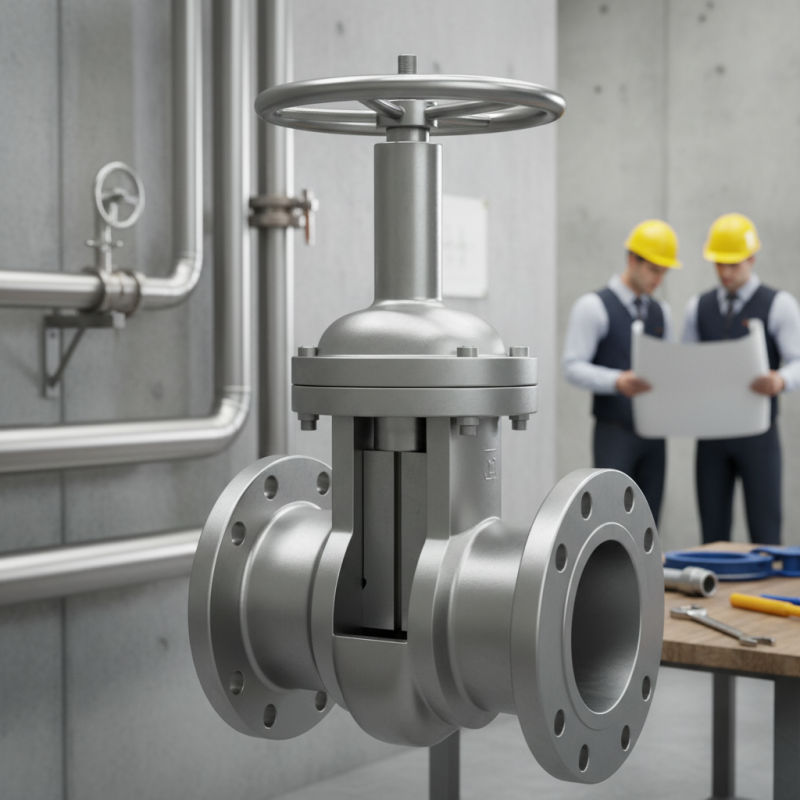
Top Gate Valve Tips for Choosing the Right One?
Choosing the right Gate Valve can be a daunting task. Industry expert John Smith says, “A good gate valve is crucial for operational efficiency.” Gate valves play a significant role in various applications. Understanding their features is essential for making the right choice.
When selecting a gate valve, consider its material and design. Different materials offer varying resistance to corrosion and pressure. For instance, stainless steel is preferred in many situations. Additionally, valve size should align with piping specifications. An incorrect size can lead to leaks or system failures.
Visualize the installation process. It should be straightforward and not hinder the workflow. However, many overlook the importance of proper fitting. Misalignments can cause future headaches. In the end, a thoughtful approach is necessary for choosing the ideal gate valve. Mistakes at this stage can be costly.
Understanding the Basics of Gate Valves and Their Applications
Gate valves serve a crucial role in various industrial applications. They primarily control the flow of media, such as water or gas. Unlike other valve types, gate valves offer minimal pressure loss. This quality makes them suitable for scenarios requiring full flow. However, they are not ideal for throttling. Using them in low-flow conditions can cause issues over time. It’s essential to recognize these limitations.
Selecting the right gate valve requires understanding material compatibility. Various materials, including stainless steel and PVC, serve different environments. Ensure the valve you choose can withstand the conditions it will face. Additionally, the size of the valve must match your piping system. A poorly sized valve can lead to leaks or failures. Sometimes, this might not be evident until it's too late.
Beyond technical specifications, consider the installation process. Some gate valves demand more space than others. This can complicate installation in tight spots. Reflect on how you will maintain the valve once installed. Accessibility matters a lot in long-term use. Often, simple choices have big consequences. Think carefully before you make a decision.
Top Gate Valve Tips for Choosing the Right One
Key Factors to Consider When Selecting a Gate Valve
When selecting a gate valve, several key factors come into play. The material is crucial. Valves made from brass, stainless steel, or PVC are popular choices. Each material has its benefits and drawbacks. Brass is durable but can corrode over time. Stainless steel resists rust but may be more expensive. PVC is lightweight but may not handle high pressures well.
The size of the valve also matters. You need the correct diameter for your pipes. A mismatch can lead to leaks or reduced efficiency. Pressure ratings are important too. Ensure the valve can withstand the specific pressure of your system. This detail is often overlooked but critical for optimal functionality.
Consider the valve's design as well. Some designs facilitate better flow. Others may be easier to install. It’s good to think about the application. How often will the valve be used? Will it be exposed to harsh conditions? Reflecting on these aspects can lead to better choices. An impulsive decision can cause future headaches. Choose wisely, and you may save on repairs down the line.
Material Choices: Selecting the Best Construction for Your Needs
When selecting a gate valve, material choice is crucial. Different materials offer various benefits and drawbacks. For example, brass is durable and resistant to corrosion, making it ideal for many applications. However, it can be expensive. Stainless steel offers strength and longevity, but it may not be suitable for all environments.
One important tip is to consider how the valve will be used. Will it handle high pressures? Will it be exposed to chemicals? Your answers should guide your choice of material. Thermoplastics can work well in corrosive environments, but they may not withstand high temperatures.
Another factor is compatibility with existing systems. If connecting to other components made from different materials, ensure they can work together without issues. While it's tempting to choose the least expensive option, a cheap valve can lead to costly repairs down the line. Weigh the initial cost against potential long-term savings. Remember, optimal performance is non-negotiable. Sometimes, what seems cheaper upfront may not be worth it.
Common Mistakes to Avoid When Choosing a Gate Valve
When choosing a gate valve, it's easy to overlook key details. Many buyers focus only on the price. This can lead to poor quality choices. A low-cost valve might not perform well long-term. Always assess materials used in the valve's construction. Quality materials ensure durability and resistance to corrosion.
Check the specifications closely. It's common to misinterpret requirements. Some may choose a valve based on size alone, neglecting pressure ratings. It’s critical to match both specifications. This mistake can lead to operational failures and costly repairs. Ensure you know the flow requirements before making a choice.
Remember to consider installation factors. Some buyers forget about the space needed for maintenance. Tight spaces can complicate repairs, causing frustration later. Always envision the entire setup before making that final decision. Keep detailed notes on your findings and reflect on your choices. This will prevent hasty decisions and ensure a better selection in the long run.
Maintenance Tips for Ensuring Longevity of Your Gate Valve
Proper maintenance of your gate valve is crucial to ensure its longevity. Regular inspections can identify potential issues early. Look for signs of rust or corrosion on the external surfaces. These can indicate deeper problems that might affect performance. Lubrication is key, as it helps to prevent wear and tear on moving parts. Use suitable lubricants to keep the valve operating smoothly.
Operating conditions matter too. Extreme temperatures can affect valve performance. If your gate valve is under heavy use, schedule more frequent maintenance checks. Replace seals if you notice leaks. This simple act can save you from costly repairs later on. It may seem tedious, but keeping a maintenance log can help track issues over time.
Don't forget about cleanliness. Dirt and debris can hinder valve function. Clean the valve regularly to avoid buildup. If you encounter persistent issues, it may indicate an underlying problem that requires professional inspection. Reflecting on your maintenance routine can help improve efficiency. Making small adjustments to your approach could lead to better outcomes in the long run.