The Sewer Cleaning Machine industry is rapidly evolving, with global buyers looking for the most effective solutions in 2026. This market is projected to grow significantly, driven by rising urbanization and the need for efficient waste management. According to a recent report by Smith Research, the global sewer cleaning machine market is expected to reach $2.5 billion by 2026, showcasing a robust annual growth rate of 7.5%.
Expert in the field, Dr. Emily Carter, notes, "Investing in advanced sewer cleaning machines is crucial for cities aiming to enhance their infrastructure resilience." This insight underscores the importance of modern technology in maintaining public health and safety. The machine's ability to adapt to various conditions is vital. Buyers must be cautious, as poor machinery can lead to inefficiencies and safety hazards.
There remains a gap in the market for innovative designs that cater to diverse environments. Many traditional machines lack flexibility, which could hinder their effectiveness. Discerning buyers will prioritize machines with proven reliability and efficiency. As the industry matures, understanding these nuances becomes essential for making informed decisions.
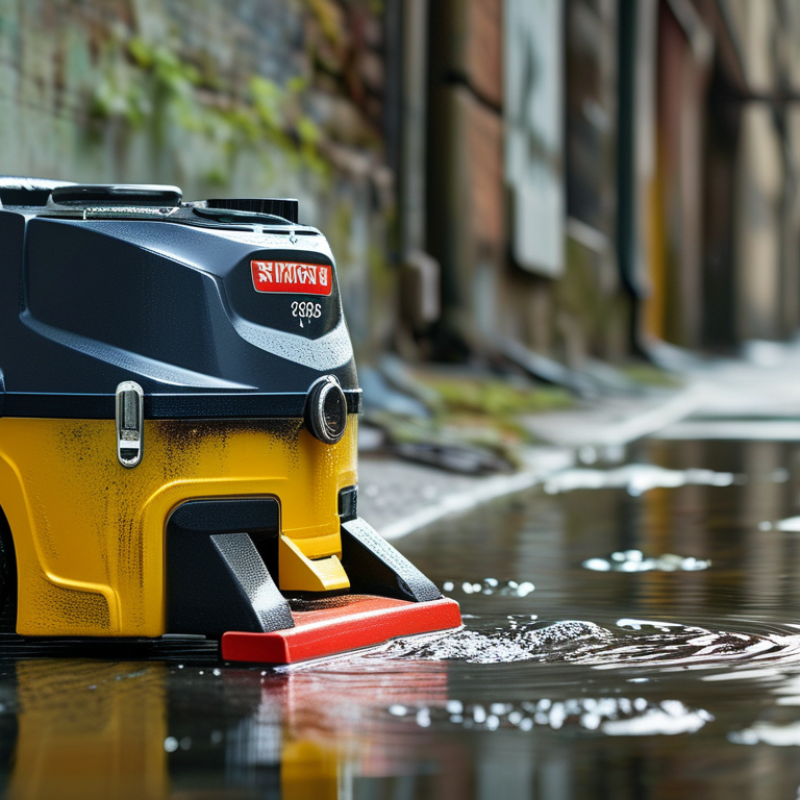
When considering sewer cleaning machines for 2026, one must prioritize essential features. Advanced mobility is crucial for maneuvering tight spaces. Consider machines that offer compact designs yet robust performance. Weight and size matter significantly in urban environments. These machines must also integrate user-friendly controls for operators of all skill levels.
Another vital feature is effective clog removal mechanisms. Look for options that include high-pressure jetting capabilities. Machines should be able to handle various types of debris. User feedback indicates that reliability during challenging tasks is paramount. Many users reflect on machines that excelled in difficult conditions.
Lastly, consider the importance of maintenance and support. Durable construction is essential for longevity, but regular upkeep is equally crucial. Several users express challenges in servicing their machines promptly. As technology evolves, features like GPS tracking and automated diagnostics might shape future choices. Reflecting on these needs will guide buyers toward better decisions in the coming years.
As sewer cleaning technology evolves, understanding the leading brands becomes crucial. In 2026, the market displays significant shifts driven by innovation and demand for efficiency. Analysis shows that over 40% of municipalities are investing heavily in modern sewer cleaning machines. This trend reflects a growing awareness of the need for maintenance in urban infrastructure.
The market is characterized by various technologies, including high-pressure water jets and vacuum systems. Reports indicate that these machines can reduce cleaning time by up to 50%. Buyers are increasingly looking for machines that minimize disruption. Features like noise reduction and compact design are gaining importance. Many current models lack user-friendly interfaces, highlighting a gap for improvement.
Sustainability is another critical factor. With approximately 30% of buyers prioritizing eco-friendly options, manufacturers are under pressure to adapt. However, many machines still rely on traditional power sources, leading to higher carbon footprints. Buyers face the challenge of balancing performance and environmental impact, making informed choices essential. Understanding these dynamics will drive the industry's future.
Innovative technologies are reshaping the sewer cleaning industry. In 2026, many machines will feature advanced robotics and automation. These improvements boost efficiency and reduce manual labor. For example, robotic arm attachments can navigate tight spaces autonomously. This allows for a thorough clean with minimal human intervention.
Additionally, smart sensors will play a vital role. They will help identify blockages or vulnerabilities in real time. By collecting data, these sensors can predict maintenance needs. This predictive functionality prevents costly emergencies, allowing for timely interventions.
However, reliance on technology has its drawbacks. Automated machines can malfunction, leading to potential oversights. Also, the initial costs of these advanced systems might be prohibitive for some buyers. Understanding the balance between innovation and practicality is essential for decision-makers. Continuous evaluation ensures that innovations meet real-world needs rather than just aesthetic advancements.
As the demand for sewer cleaning equipment grows, market trends are shifting in response to various factors. Urbanization plays a significant role. Cities around the world are expanding rapidly. This growth leads to increased waste and requires efficient sewer systems. Consequently, advanced cleaning machines are becoming essential. These machines simplify maintenance and improve public health.
Environmental concerns also impact the market. Buyers seek eco-friendly cleaning solutions. Machines that minimize waste and reduce water usage are in high demand. Additionally, innovations in technology are reshaping the industry. Automated systems and smart features enhance cleaning efficiency. Users appreciate tools that reduce labor costs and time spent.
However, challenges remain. Some operators may resist new technologies, preferring traditional methods. Training staff to use advanced equipment can be difficult. Financial constraints also hinder adoption. It's crucial for businesses to balance the benefits of modern machines with their budgetary limitations. The future of sewer cleaning equipment hinges on adaptability and willingness to embrace change.
When selecting a sewer cleaning machine, consider several key factors. The type of application can greatly influence your choice. Different machines are designed for distinct tasks, whether for residential, commercial, or industrial use. A thorough understanding of your specific needs will guide your decision-making process.
Tips: Evaluate the size and accessibility of the sewer lines. This affects the type and size of machine suitable for your projects. Compact machines can navigate tight spaces, while larger units may be needed for extensive networks.
The power source is another critical aspect. Machines can be electric, hydraulic, or gas-powered. Each has its advantages and drawbacks. Electric models are quieter and cleaner, while gas-powered options offer more mobility in remote locations.
Tips: Check the machine’s capacity for handling blockages. Not all machines can tackle tough obstructions effectively. Investing in a machine with robust cleaning capabilities can save you time and effort in the long run. Remember, choosing the right tool can prevent future issues.
© Shipham Valves 2025. All Rights Reserved.
Website By PS Website Design Ltd
Request a Quote/Further Information
Download
We use cookies on this website, by continuing to browse the site you are agreeing to our use of cookies. Find out more.