2026 Top PVC Tarpaulin Uses and Benefits Explained?
In the world of protective materials, PVC Tarpaulin stands out for its versatility and durability. John Smith, a leading expert in industrial fabrics, once said, “PVC Tarpaulin is the backbone of many industries.” This statement captures the essence of its applications.
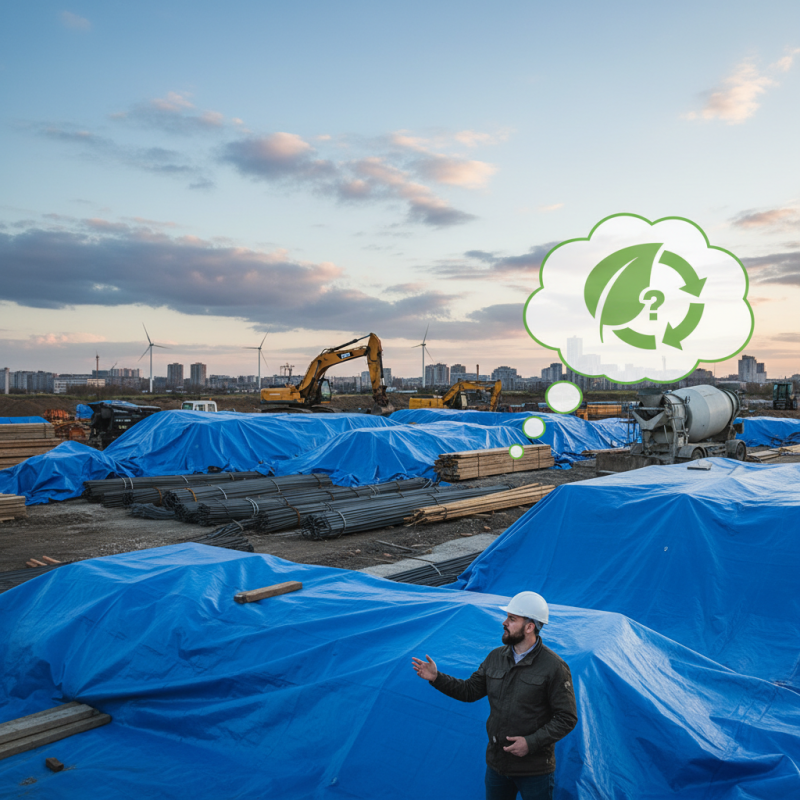
PVC Tarpaulin is widely used in countless sectors, including construction, transportation, and agriculture. Its waterproof nature makes it ideal for outdoor use. Think of a construction site covered with vibrant blue tarps, shielding equipment from the elements. These tarpaulins also withstand harsh weather, ensuring longevity.
However, it's essential to reflect on the environmental impact of PVC production. Critics point out the challenges associated with PVC disposal. As we embrace the benefits of PVC Tarpaulin, it is vital to consider sustainable alternatives. The future may require rethinking how we produce and use these materials. Balancing performance with ecological responsibility is the next frontier.
Overview of PVC Tarpaulin: Definition and Composition
PVC tarpaulin is a versatile material widely used in various applications. Composed of polyvinyl chloride and a fabric base, it creates a robust, weather-resistant tarp. This unique blend makes it suitable for outdoor use. Its strength comes from the woven fabric, coated with PVC, providing durability and significant flexibility.
Many people appreciate its water-proof qualities. However, there are concerns regarding the environmental impact of PVC production. Some manufacturing processes emit harmful chemicals. Despite these issues, PVC tarpaulin remains popular for tents, awnings, and protective coverings. Users must consider the balance between functionality and environmental footprint.
This material is also resistant to UV rays, which prevents fading and damage. However, it can become brittle over time with extensive sun exposure. Regular maintenance is essential. Users often overlook this, leading to reduced lifespan. Understanding the composition of PVC tarpaulin helps users appreciate its advantages while being aware of its drawbacks.
Common Uses of PVC Tarpaulin in Various Industries
PVC tarpaulin has become increasingly vital across various industries. Its durability and versatility make it an ideal choice for numerous applications. In construction, PVC tarpaulin is widely used for temporary shelters and protective covers. According to industry reports, the construction sector contributes to 30% of PVC tarpaulin usage globally. This material is effective in protecting equipment and materials from environmental damage.
In the transport industry, PVC tarps are essential for covering and securing loads. About 25% of the market demand for PVC tarpaulin comes from logistics and transportation. The tarps help maintain the integrity of goods during transit. They are lightweight yet robust, which is necessary for safe transport. However, the disposal of traditional PVC products results in environmental challenges.
Agriculture also benefits notably from PVC tarpaulin. These tarps are used for greenhouse covers, providing protection while allowing essential light. Reports indicate that the agricultural sector accounts for around 20% of PVC tarpaulin usage. Yet, issues arise with UV degradation over time, which can affect the tarp's longevity. A careful assessment of PVC usage across sectors reveals both undeniable benefits and areas needing improvement.
2026 Top PVC Tarpaulin Uses and Benefits Explained
| Industry | Common Uses | Benefits |
| Construction | Site Protection, Temporary Structures | Durable, Water-resistant, UV Protection |
| Agriculture | Tarps for Livestock, Greenhouses | Insulation, Protection from Elements |
| Transportation | Truck Covers, Cargo Protection | Lightweight, Secure, Weatherproof |
| Events | Event Tents, Canopies | Versatile, Easy to Set Up, Aesthetic |
| Marine | Boat Covers, Tarps for Fishing | Water Resistant, Long-lasting, Easy to Clean |
Advantages of Using PVC Tarpaulin: Durability and Versatility
PVC tarpaulin is well-known for its durability and versatility. It can withstand harsh weather conditions, making it ideal for outdoor applications. This material resists tearing and fading, ensuring longevity. It’s often used for covers, tents, and banners. Some people might overlook its weight. While it's sturdy, it can be heavy and difficult to handle.
Versatility is another clear advantage of PVC tarpaulin. It can be used in various industries, from agriculture to construction. Its waterproof quality protects goods from rain and moisture. However, not all PVC tarpaulin is created equal. Different grades and thicknesses can impact performance. Understanding what you need is crucial.
In addition, PVC tarpaulin can be printed on easily. This opens up possibilities for custom designs. Advertising banners are a common use of this feature. Yet, some users might find that the ink fades over time. Regular maintenance is needed to keep banners looking fresh. Knowing these details can help one make informed decisions.
Environmental Impact and Sustainability of PVC Tarpaulin
PVC tarpaulins are widely used across various industries. Their durability makes them a preferred choice for protection against harsh weather conditions. However, the environmental impact of PVC cannot be ignored.
The production of PVC involves the release of harmful substances. These substances can contribute to air and water pollution. Recycling options exist, but they are not always effective. Many PVC products end up in landfills, where they take years to decompose. This raises concerns about sustainability in the long run.
Using PVC tarpaulins raises questions about eco-friendliness. There are alternative materials available, like canvas or other biodegradable options. These alternatives may not offer the same level of durability. Still, they are generally better for the planet. It’s crucial for industries to weigh the benefits and drawbacks of using PVC tarpaulins. Consideration of environmental impacts should be a priority.
2026 Top PVC Tarpaulin Uses and Benefits Explained
The chart above represents the projected usage volume of PVC tarpaulin across various industries in 2026. As seen, the construction sector leads in usage, highlighting its importance in building and protective applications. Agriculture follows closely, showcasing the versatility of PVC tarpaulin in various environments. Other sectors like transportation, advertising, marine, and sports also utilize PVC tarpaulin significantly, reflecting its diverse benefits and adaptability.
Maintenance Tips for Prolonging the Life of PVC Tarpaulin Products
PVC tarpaulins are popular due to their durability and versatility. However, keeping them in good condition requires proper maintenance. To prolong their life, regular cleaning is essential. Dirt and grime can degrade the material over time. Use a mild soap solution and a soft brush for cleaning. Rinse well and let them air dry completely.
Another important tip is to store your tarpaulin properly when not in use. Avoid folding them to prevent creases. Instead, roll them up loosely. This can help maintain their shape and prevent cracking. Make sure to store them in a dry place, away from direct sunlight.
Inspect your tarpaulin regularly for any signs of wear or damage. Look for tears or frayed edges. Address issues promptly. A small repair can prevent bigger problems later. This proactive approach saves money and extends the life of your tarpaulin products. Keeping an eye on the condition of your tarpaulin ensures it remains functional for years.