Top 10 Marine Valves Every Global Buyer Should Know About?
The marine valves industry plays a crucial role in maritime operations, affecting both safety and efficiency. According to a recent market report, the global marine valves market is expected to reach $5 billion by 2026, driven by increasing demand across shipping and offshore sectors. Experts like Dr. Emily Thompson, a renowned authority in marine technology, emphasize the importance of selecting the right marine valves. She states, “Quality marine valves are essential for maintaining system integrity and reducing operational risks.”
In this competitive landscape, understanding the top marine valves is vital for buyers worldwide. Various types of marine valves serve specific functions, from regulating flow to preventing backflow. Failing to choose the right model can lead to costly repairs and safety hazards. Many buyers overlook the unique features of these valves, which can significantly impact performance.
Furthermore, the rising complexities within marine operations demand advanced valve technologies. Buyers must consider criteria like materials, design, and certifications. As the industry evolves, so too should our approach to selecting marine valves, ensuring reliability and compliance with international standards. This guide will highlight the top ten marine valves, equipping buyers with knowledge for informed decisions.
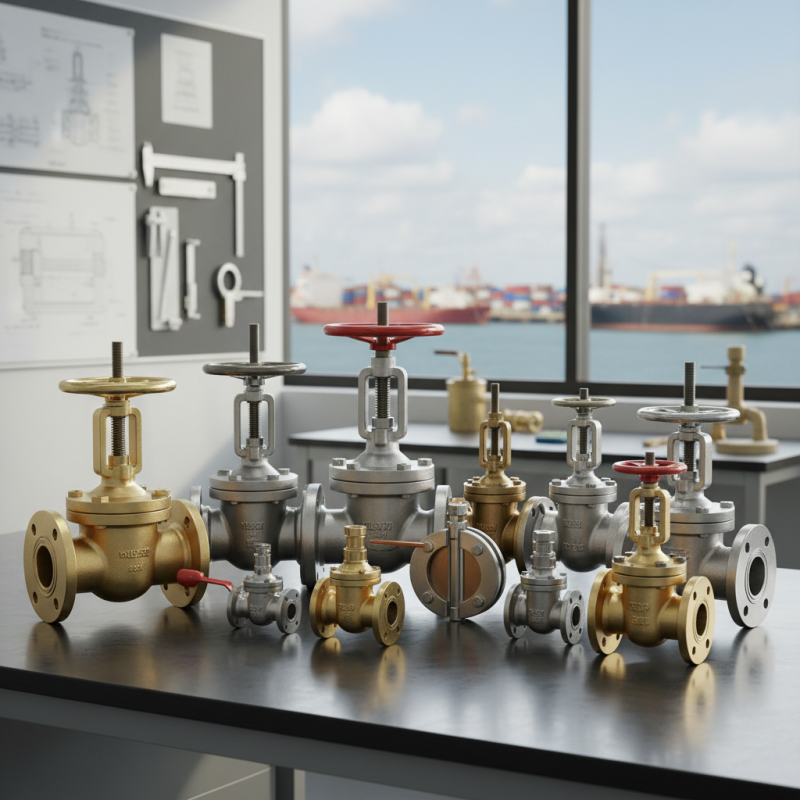
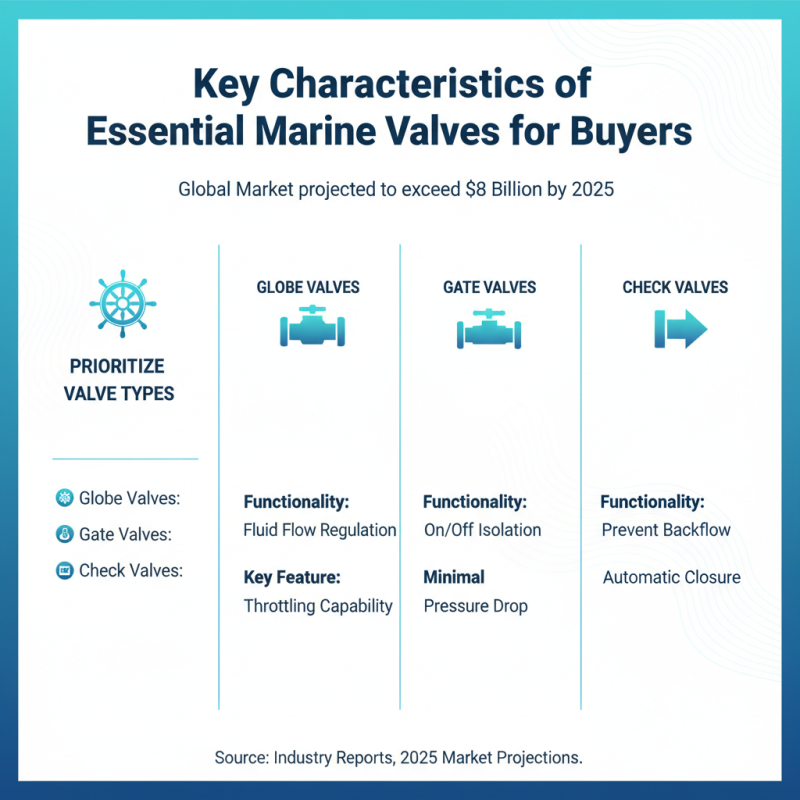
Key Characteristics of Essential Marine Valves for Buyers
When purchasing marine valves, understanding key characteristics is vital for optimal performance. Reliable estimates from industry reports suggest the global marine valve market is projected to reach over $8 billion by 2025. Buyers should prioritize valve types that suit specific applications, such as globe, gate, and check valves. Each type has unique features that affect functionality and safety.
Material selection plays a crucial role in valve performance. Valves made from stainless steel or bronze offer excellent corrosion resistance. Reports indicate that these materials account for over 60% of the market share due to their durability. Sealing technology is equally important; high-quality seals reduce leakage and enhance operational efficiency. Approximately 30% of valve failures result from inadequate sealing solutions, highlighting the need for diligent selection.
Lastly, buyers must consider industry certifications. Valves should comply with global standards like ISO and API. However, even with certifications, a percentage of products may still underperform. Continuous monitoring and maintenance are essential. Industry data shows that regular inspections can prolong valve lifespan by 20-30%. Investing in reliable marine valves ensures long-term safety and efficiency in maritime operations.
Popular Types of Marine Valves and Their Applications in the Industry
Marine valves play a crucial role in the shipping and maritime industry. Various types of valves are employed to regulate fluid and gas flow on ships, ensuring operational efficiency and safety. According to a recent industry report, marine valves are projected to grow at a CAGR of 5.3% from 2021 to 2028. This growth highlights their importance in marine applications.
Ball valves, butterfly valves, and globe valves are some of the most common types. Ball valves excel in applications requiring tight sealing and quick shut-off. They handle high pressure with ease. Butterfly valves are favored for their compact size and lightweight design, making them ideal for systems with limited space. Globe valves offer excellent throttling capabilities. Each valve type serves a distinct purpose, contributing to the overall functionality of marine operations.
However, the industry faces challenges. Maintenance can often be overlooked, leading to potential failures. Quality control in manufacturing remains a concern. Ensuring materials can withstand harsh marine conditions is critical. The emphasis on corrosion resistance in valve design is increasing. A focus on durable materials is necessary to extend the lifespan of marine valves. Addressing these challenges can enhance both efficiency and safety within the maritime sector.
Top 10 Marine Valves Every Global Buyer Should Know About
Critical Factors to Consider When Sourcing Marine Valves Globally
When sourcing marine valves globally, quality assurance is paramount. Buyers should start by examining the materials used in valve construction. Corrosion resistance is critical in marine environments, where saltwater exposure is common. Stainless steel and bronze are popular options. Additionally, consider the manufacturing processes. High-quality valves often come from facilities that adhere to international standards. Verifying certifications ensures reliability and consistency.
Another essential factor is supplier credibility. Research potential suppliers by reviewing their industry reputation. Established suppliers tend to have a track record of delivering reliable products. Gathering customer feedback can provide insights into their experiences. Also, pay attention to delivery timelines. Delays can affect operations, so transparency about shipping times is vital.
Lastly, consider the long-term service and support. Technical assistance during installation can be invaluable. Some suppliers offer training or resources that enhance user experience. It's important to weigh these factors against pricing. While cost is a consideration, opting for the cheapest option can lead to regrettable choices later. Thus, reflecting on the balance between price, quality, and support is crucial.
Top 10 Marine Valves Every Global Buyer Should Know About
| Valve Type |
Material |
Size Range |
Pressure Rating |
Application |
| Ball Valve |
Stainless Steel |
1"-12" |
150-300 PSI |
Oil & Gas |
| Gate Valve |
Cast Iron |
2"-24" |
150-600 PSI |
Water Supply |
| Globe Valve |
Brass |
1"-10" |
150 PSI |
Steam Systems |
| Check Valve |
Ductile Iron |
1"-20" |
150-300 PSI |
Drainage Systems |
| Butterfly Valve |
PVC |
2"-36" |
150 PSI |
HVAC |
| Pressure Relief Valve |
Stainless Steel |
1"-4" |
Up to 400 PSI |
Safety Systems |
| Diaphragm Valve |
EPDM |
1"-8" |
150 PSI |
Chemical Handling |
| Plug Valve |
Iron |
1"-10" |
150 PSI |
Oil Transport |
| Knife Gate Valve |
Carbon Steel |
2"-24" |
150 PSI |
Slurry Handling |
| Seawater Valves |
Bronze |
1"-12" |
150-300 PSI |
Marine Applications |
Top Manufacturers and Brands of Marine Valves to Be Aware Of
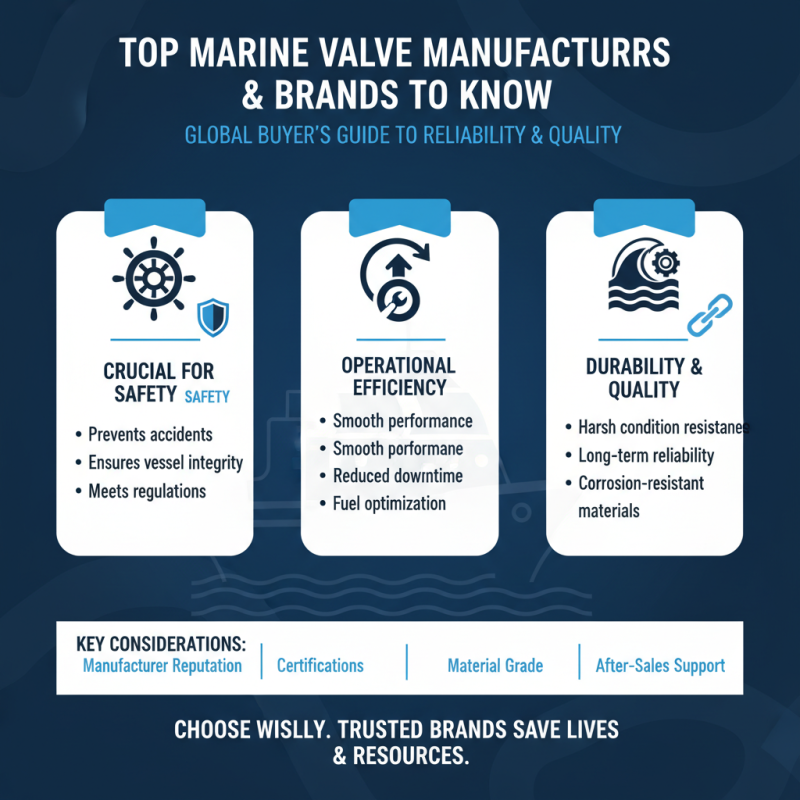
When exploring marine valves, understanding the top manufacturers is crucial for global buyers. Reliable suppliers play a significant role in ensuring vessel safety and operational efficiency. Quality is not just about performance; it also involves long-term durability and resistance to harsh marine conditions. Do not overlook this aspect when choosing manufacturers.
Some recognized names in the marine valve industry have built their reputation over decades. They offer a range of products, including ball valves, gate valves, and check valves. Each type serves distinct purposes, such as controlling flow or preventing backflow. Buyers must research the specifications and design features to match their needs effectively.
However, the landscape of manufacturers is always evolving. New companies emerge, sometimes promising innovative solutions. It's essential to question claims critically. Not every new manufacturer may meet industry standards. Conducting thorough evaluations is vital. Reviews and third-party certifications can provide meaningful insights. Always remain vigilant and ask for detailed product information to ensure informed decisions.
Maintenance and Operational Best Practices for Marine Valves
When it comes to marine valves, preventive maintenance is crucial for ensuring optimal performance. Regular checks can help identify potential leaks or corrosion. Inspect seals and gaskets for wear. These components are vital for maintaining water-tight integrity. Lubricating moving parts can prevent excessive friction and wear. Use appropriate lubricants to enhance the lifespan of the valves.
Operational best practices also play a role in valve management. Monitor valve positions regularly. Ensure they function correctly during operation. This helps avoid malfunctions at critical moments. Maintain accurate records of inspections and repairs. Documentation builds a history that can be useful for future analyses.
It's essential to train staff properly on valve systems. Over time, a lack of knowledge may lead to mishandling. Sharing operational guidelines can help avoid accidents. Reflecting on past experiences can provide insights into areas needing improvement. Regular evaluation of procedures can highlight gaps in safety that need addressing.