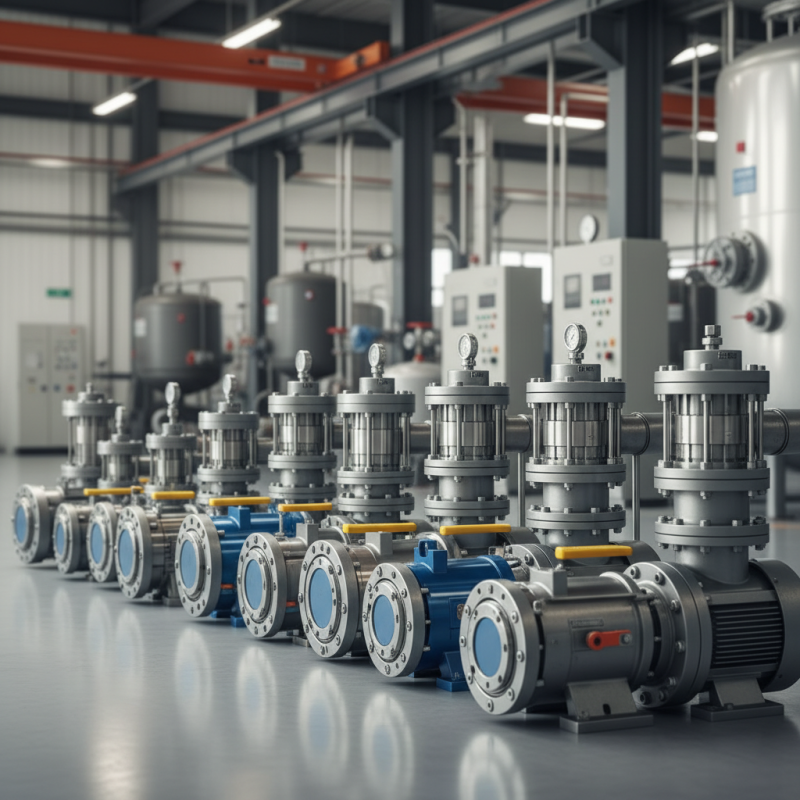
Top 10 Fluorine Pumps for Global Buyers to Consider?
In the industrial sector, the demand for Fluorine Pumps has significantly risen. These pumps are vital for handling aggressive chemicals found in various processes. However, selecting the right Fluorine Pump can be challenging. There are many options, and not all are suitable for every application.
Understanding the specific requirements of your project is key. Factors to consider include chemical compatibility, temperature resistance, and flow rate. Some pumps perform better with specific fluids, while others may not meet safety standards. Buyers must be vigilant in assessing these features.
Fluorine Pumps stand out for their reliability and durability. Yet, not all manufacturers have the same reputation. Researching trusted brands and recent customer feedback can save time and money. Emphasizing expert insights will sharpen your choices. The right Fluorine Pump can enhance productivity and safety in demanding environments.
Overview of Fluorine Pumps and Their Applications
Fluorine pumps play a critical role in various industrial applications, especially in the chemical, pharmaceutical, and semiconductor sectors. These pumps are designed to handle corrosive fluids containing fluorine and other aggressive chemicals. According to a recent market study, the global fluorine pump market is projected to grow at a CAGR of 5.2% from 2023 to 2030. This growth is primarily driven by the increasing demand for these pumps in chemical processing.
The applications of fluorine pumps are vast. They are essential in processes such as etching in semiconductor manufacturing and handling of reactive chemicals in the oil and gas industry. These pumps are engineered to withstand extreme conditions, ensuring safety and reliability. However, one must reflect on the maintenance challenges they present. High corrosiveness can lead to frequent wear and tear, necessitating regular inspection and replacement of parts.
Moreover, the complexity of their design can pose difficulties in troubleshooting. Operators must be well-trained to avoid mishandling, which can result in costly downtime. The need for skilled personnel underlines the importance of expertise in the selection and operation of fluorine pumps. Investing in training for operators can help mitigate these challenges and enhance overall system efficiency.
Top 10 Fluorine Pumps - Comparative Analysis
This chart presents a comparative analysis of the flow rates of the top 10 fluorine pumps. It highlights the performance characteristics essential for global buyers when considering their options in the market.
Key Features to Look for in Fluorine Pumps
When selecting fluorine pumps, several key features warrant attention. Material compatibility is crucial. Fluorine can be highly corrosive. The right choices will ensure longevity. Look for pumps made from robust materials like PTFE or PFA. These materials resist chemical reactions and degradation.
Flow rate and pressure ratings are significant as well. You need to match these with your application requirements. Irregularities in flow can lead to system failures. Make sure the pump can handle the maximum expected load.
Regular maintenance is essential, too. Utilizing pumps that allow for easy inspection and servicing can enhance reliability.
Temperature range is another important consideration. High temperatures can affect pump performance. Choose models that can withstand extreme conditions. Not all pumps handle heat well.
Lastly, efficiency matters. Lower energy consumption equates to cost savings over time. Investigating energy-efficient options can benefit both the environment and your budget. Engaging with industry experts can also aid decision-making, ensuring you choose wisely.
Top 10 Fluorine Pumps Recommended for Global Buyers
Fluorine pumps are essential tools in many industries. They handle corrosive and toxic fluids safely and effectively. Selecting the right pump is crucial for optimal performance.
When considering pumps, look at materials. Fluorine-resistant materials ensure durability. Chemical compatibility is paramount. You want to avoid unexpected reactions in operation.
Tips: Always consult with an expert before making decisions. They can provide insights based on years of experience. Also, consider the total cost of ownership. The cheapest option may incur higher maintenance costs. Evaluate your needs thoroughly to make an informed choice.
For performance, reliability is key. Pumps should withstand high pressure and temperature variations. Focus on specifications and customer reviews. Analyze various models before settling on one. Balancing performance and cost is often a challenge.
Comparative Analysis of Leading Fluorine Pump Brands
When selecting fluorine pumps, it’s essential to compare various brands based on performance, reliability, and user feedback. A detailed analysis reveals that many leading brands offer competitive features. These features often include chemical resistance, ease of maintenance, and innovative technologies. Buyers should also consider the durability of materials used. Some brands excel in this aspect, providing pumps that withstand harsh environments.
Testing is crucial for evaluating performance. Reviews often highlight efficiency levels and operational longevity. However, not all pumps perform the same under different conditions. Buyers should assess real-world usage versus manufacturers' claims. It’s not uncommon for users to discover inconsistencies. These insights can help prevent costly mistakes.
Understanding maintenance needs is another vital aspect. Some pumps require extensive upkeep, while others are more user-friendly. Users often share experiences regarding unexpected repairs or premature failures. This information is invaluable for potential buyers. It emphasizes the importance of researching not just specifications but real-life experiences.
Tips for Selecting the Right Fluorine Pump for Your Needs
When selecting a fluorine pump, consider the specific requirements of your application. Fluorine pumps handle aggressive chemicals, so material compatibility is crucial. Ensure that the pump materials are resistant to the chemicals you will be using. A wrong choice can lead to leaks or pump failure.
Evaluate the pump's capacity and flow rate. Understand the required pressure and the volume of fluid your process demands. This will help you select a pump that efficiently meets your needs. Often, buyers overlook these parameters, leading to inefficiencies in system performance.
Lastly, review the pump's maintenance requirements. Some fluorine pumps need regular servicing, while others offer low maintenance. Understand your operational capacity to handle upkeep. Investing in a reliable pump might save costs and downtime in the long run.