Top 10 Commercial EV Charger Installers You Should Know?
As the global shift towards sustainability accelerates, the demand for electric vehicles (EVs) is growing exponentially. According to a report by the International Energy Agency, the global electric vehicle stock surpassed 10 million in 2020 and continues to climb. This surge has led to an increasing need for reliable and efficient Commercial Ev Charger Installers. Businesses installing chargers not only cater to the rising EV market but also enhance their reputation as eco-friendly establishments.
Choosing the right Commercial EV Charger Installer is essential. The quality of installation can directly impact the charging efficiency and user experience. However, many companies struggle to navigate this complex landscape. Reports indicate that nearly 60% of businesses are unsure about the installation process and long-term maintenance. This confusion can lead to poor investment decisions and unsatisfactory charger performance.
Investing in commercial EV charging infrastructure is not just about meeting regulations. It’s about recognizing a fundamental shift in consumer behavior. Companies that partner with the top commercial EV charger installers will lead the charge towards a greener future. Yet, it's crucial to select an installer with a proven track record and knowledgeable support.
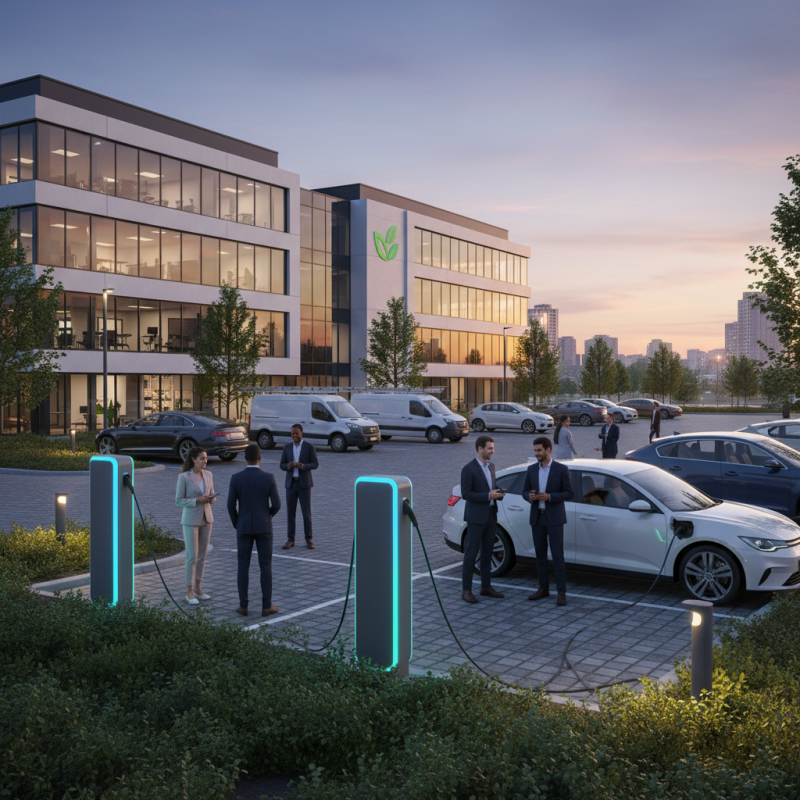
Overview of Commercial EV Charger Installation Market
The commercial EV charger installation market is rapidly expanding. A recent report estimates that by 2025, the market will reach $9.5 billion. This growth is driven by increased demand for sustainable transportation and government incentives for electric vehicle (EV) adoption.
Local businesses are starting to understand the importance of investing in EV infrastructure. Many municipalities plan to install charging stations in public areas. However, the market still faces challenges. A lack of standardization in charger types can complicate installations. Moreover, many contractors lack experience with EV technology, which can lead to costly installation errors.
Data indicates that about 70% of commercial charging stations are installed at workplaces. This reflects a growing awareness among employers about employee satisfaction and environmental impact. Facilities should consider future-proofing their installations with scalable technology. Yet, many business owners are hesitant due to upfront costs. Identifying reliable installers with a track record becomes essential in navigating this crucial market transition. As the technology evolves, businesses must stay informed to adapt effectively.
Key Features to Look for in EV Charger Installers
When choosing a commercial EV charger installer, certain key features are essential. Look for installers with extensive industry experience. According to a report by the International Energy Agency, the global number of EV charging stations is expected to reach over 10 million by 2025. This growth necessitates installers who understand market dynamics and evolving technologies.
Reliability is crucial. Ensure the installer has a proven track record of successful projects. A recent survey indicated that 70% of businesses prioritize reliable after-sales support. This support includes regular maintenance and timely response to issues. Additionally, examine if the installer provides customized solutions tailored to your specific needs.
Certifications play a significant role. Installers should hold relevant industry qualifications to ensure safety and compliance. A report from the Electric Power Research Institute suggests that installers who are certified tend to meet regulatory standards more consistently. Trustworthy installers should also offer transparent pricing structures. Hidden fees can lead to unexpected costs, which is troubling for many organizations. Always ask for a detailed estimate before proceeding with any installations.
Top 10 EV Charger Installers: Brief Profiles and Services Offered
In the evolving landscape of electric vehicles, selecting the right EV charger installer is pivotal. Several companies stand out for their expertise and service quality. These installers provide a range of options tailored to various needs. From residential to commercial installations, they ensure seamless integration into existing infrastructures. Their reputation often stems from years of experience, ensuring reliability for users.
Tips: When selecting an installer, check their certifications. Look for reviews from previous clients. This will help gauge their reliability.
Many installers offer customized solutions. They assess specific requirements before recommending products. This personalized approach ensures optimal performance and customer satisfaction. However, not all companies provide the same level of attention. Some may overlook critical aspects of installation. It is essential to ask questions and clarify details.
Tips: Don’t hesitate to request a site evaluation before installation. A thorough assessment can prevent future issues. Transparency about pricing and timeline is also crucial.
Factors Influencing the Choice of EV Charger Installers
When selecting EV charger installers, several critical factors come into play. Experience is paramount. Installers with a proven history in commercial projects tend to deliver better results. Their familiarity with local regulations and common challenges ensures compliance and efficiency. Look for installers who are well-versed in different charging technologies, as this knowledge allows them to recommend the best options for your specific needs.
Reliability is also crucial. An installer should be trustworthy, completing projects on time and within budget. It’s worth checking references and customer reviews to gauge their track record. Additionally, installers should provide clear warranties and support. This shows they stand behind their work and prioritize customer satisfaction.
Finally, consider responsiveness. A good installer will engage with you throughout the process. They should provide timely communication and updates. They should also be willing to address your concerns and adjust plans based on feedback. In the evolving landscape of EV charging, adaptability is key. As the industry grows, these factors can significantly influence your choice of installer.
Top 10 Commercial EV Charger Installers - Factors Influencing the Choice of EV Charger Installers
Future Trends in Commercial EV Charging Infrastructure and Installation
The future of commercial EV charging infrastructure looks promising. As more businesses shift towards sustainability, the demand for electric vehicle (EV) chargers increases. Cities are investing in robust charging networks. These developments aim to support both consumers and businesses that are embracing greener practices.
One trend emerging in the industry is the integration of smart technology. Smart chargers can collect data on usage patterns. They often optimize energy consumption, which reduces costs. However, not all installations have mastered this technology yet. Some may face challenges in ensuring compatibility with various EV models.
Another noteworthy aspect of the evolution is the focus on diversity in charging stations. Many installations are adopting a mix of fast chargers and standard options. This variety aims to accommodate different user needs, yet it can complicate planning for infrastructure development. Continuous assessment is crucial for adapting to this changing landscape and to ensure that installations meet future demands effectively.