Top 5 Butterfly Valve Wafer Types You Should Consider?
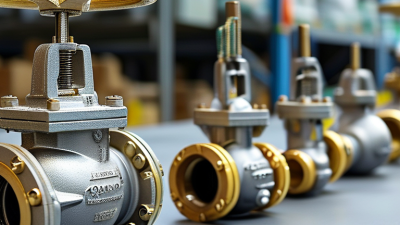
In the world of industrial valves, the butterfly valve wafer type stands out for its versatility and efficiency. Renowned expert John Smith, a leading figure in valve technology, once stated, "Choosing the right butterfly valve wafer type can dramatically impact system performance." His insight highlights the importance of selecting the appropriate valve for specific applications.
Butterfly valve wafer types are not just functional; they play a critical role in various industries. They help regulate flow with precision. However, choosing the right type can be challenging. Each type has its unique specifications and applications. Understanding these differences is essential for optimal performance.
This guide will explore the top five butterfly valve wafer types to consider. Each option brings unique advantages but also potential drawbacks. Industry professionals often face hurdles when making these choices. By examining key features and application scenarios, we can provide clarity in this intricate field.
Understanding Butterfly Valves: An Overview
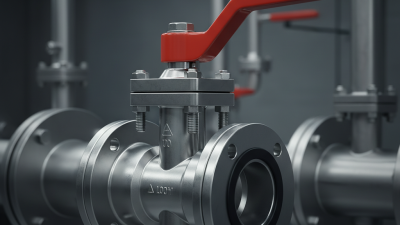
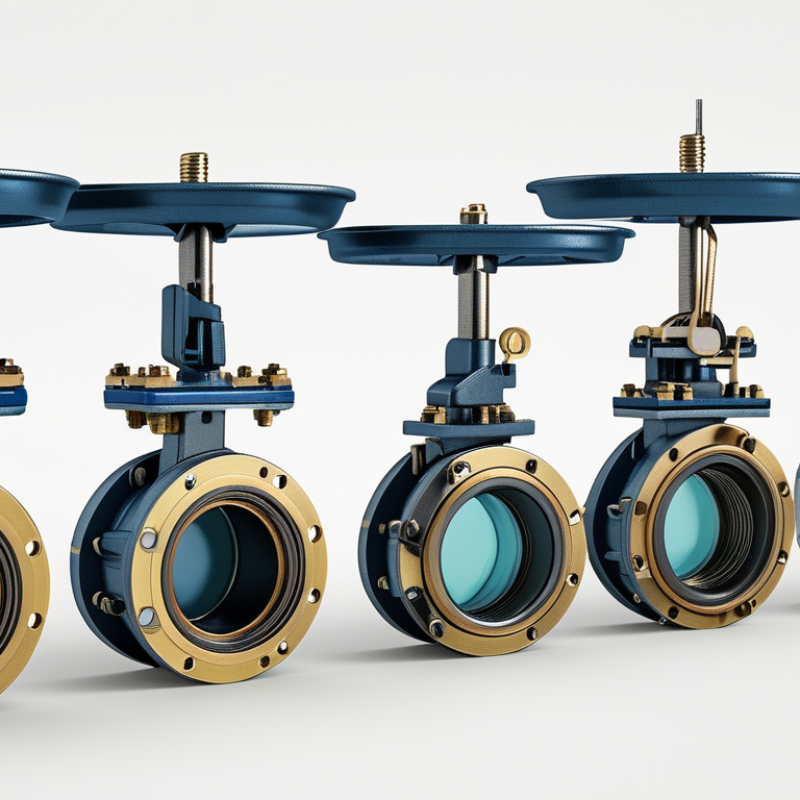
Butterfly valves are essential in various industrial applications. They function by rotating a disc to regulate flow. Understanding their designs can enhance your decision-making when selecting the right type. A wafer-style butterfly valve serves as a compact solution, ideal for restricted spaces. These valves offer a reliable sealing mechanism and are lightweight, promoting ease during installation.
When considering a butterfly valve, focus on the material. Different environments affect the valve’s longevity and performance. Stainless steel and PVC are common options, each with unique properties. Corrosion resistance is critical in humid conditions. Balancing material choice with the expected environment is crucial.
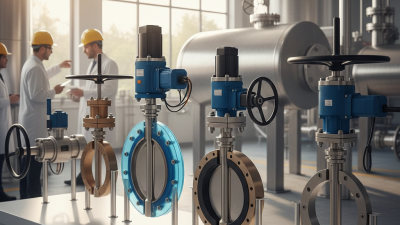
A common misconception is that all butterfly valves perform similarly. They vary based on design and application. For high-pressure systems, a pneumatic actuator may be necessary. Consider maintenance as well; some designs require more frequent checks than others. Regular maintenance ensures your system operates efficiently and minimizes unexpected downtime.
What is a Wafer Type Butterfly Valve?
A wafer type butterfly valve is a compact and versatile component in fluid control systems. Unlike other valve types, it features a thin disc positioned in the flow path. This design allows for efficient operation and low-pressure drop, which is crucial in many applications. According to the International Society of Automation, these valves account for about 25% of the valve market due to their effectiveness in various industrial settings.
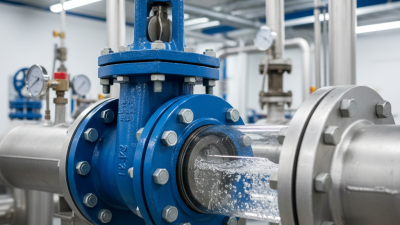
In practice, wafer type butterfly valves are particularly useful in systems where space is limited. The lightweight design reduces installation complexity. They can be used in water supply, chemical processing, and HVAC systems. The American Society of Mechanical Engineers notes that these valves provide excellent flow regulation and can handle various media, including corrosive substances.
However, not all wafer type butterfly valves are created equal. Factors such as material choice and seal design significantly impact performance. Misapplications or incorrect sizing can lead to operational inefficiencies and increased maintenance costs. Understanding the specific requirements of your system is vital to selecting the right valve. Data from the Valve Manufacturers Association indicates that improper valve selection can result in failure rates as high as 30%, emphasizing the need for careful consideration in design decisions.
Top Features of Top Butterfly Valve Wafer Types
When exploring butterfly valve wafer types, consider their core features. One essential aspect is their lightweight design. This characteristic allows for easier installation and reduces the overall burden on piping systems. Many users appreciate the manageable weight since it simplifies transportation and handling.
Another significant feature is the sealing mechanism. Effective sealing is crucial to prevent leaks in various applications. Wafer butterfly valves often utilize a high-quality elastomeric material for this purpose. This ensures durability and maintains performance even under pressure. However, users must regularly inspect these seals for wear and tear, as this can impact effectiveness.
Cost-effectiveness is also a key consideration. Wafer types often present a more economical choice compared to lug or flanged valves. This means they can be a great option for budget-conscious projects. Nevertheless, potential buyers should critically assess their specific needs. What works in one context may not in another. Prioritizing reliability while remaining mindful of costs can lead to better long-term solutions.
Comparative Analysis of the Leading Butterfly Valve Wafer Types
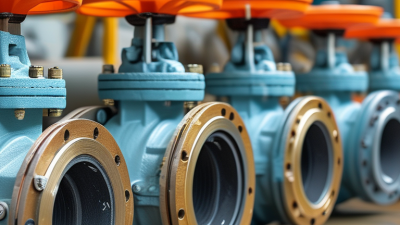
When selecting butterfly valve wafer types, a comparative analysis can greatly aid in making informed decisions. Consider materials such as ductile iron, stainless steel, and PVC. Each material offers unique benefits and suitability for different applications. Ductile iron is strong and cost-effective, while stainless steel provides corrosion resistance.
When examining the design of these valves, look at the disk shape. A high-performance butterfly valve often features a flow-optimized disk design. This design minimizes turbulence and ensures a smooth flow of fluids. However, not all designs will fit every system. It's important to analyze your specific installation conditions carefully.
Make sure you address installation challenges. Sometimes, the valve may not align perfectly with existing piping. This can lead to performance issues. Regular maintenance should not be overlooked. Checking for leaks and wear can save resources in the long run. A small oversight can lead to significant problems. Being proactive can enhance the reliability of your system.
In summary, while choosing the best butterfly valve wafer type, prioritize your specific needs. Understanding the materials, designs, and proper maintenance can make a notable difference in performance.
Top 5 Butterfly Valve Wafer Types You Should Consider
This chart illustrates the comparison of the top 5 butterfly valve wafer types based on their performance metrics like flow coefficient (Cv), pressure rating (PSI), and material suitability for different applications.
Applications: Choosing the Right Wafer Type for Your Needs
When selecting the right wafer butterfly valve, consider the application requirements. Each wafer type has unique features tailored for specific environments. For instance, high-performance valves excel in demanding situations, such as chemical processing. Their materials resist corrosion, ensuring longevity and durability. Always analyze the medium flowing through the valve. The wrong choice can lead to failure and costly replacements.
Think about installation space. Some wafer types require more room than others. Proper fit is crucial for effective operation. The ease of maintenance is another factor to ponder. A design that allows quick access simplifies repairs. If a valve is hard to reach, you may face difficulties later on.
Reflect on your potential needs. Anticipating future changes in your operation can save time and money. If you plan to alter your processes, choose a flexible option that can adapt. Sometimes, users overlook the importance of the valve's sealing mechanism. A robust seal maximizes efficiency and prevents leaks. Evaluating all these aspects will help you make informed decisions.
Top 5 Butterfly Valve Wafer Types You Should Consider
| Wafer Type |
Material |
Size Range (inches) |
Pressure Rating (PSI) |
Applications |
| Standard Wafer Butterfly Valve |
Cast Iron |
2 - 36 |
150 |
Water Supply, HVAC |
| Double Offset Wafer Butterfly Valve |
Stainless Steel |
3 - 48 |
300 |
Oil & Gas, Chemical |
| Triple Offset Wafer Butterfly Valve |
Brass |
4 - 60 |
600 |
High Pressure Systems |
| Lugged Wafer Butterfly Valve |
PVC |
2 - 20 |
150 |
Irrigation, Water Treatment |
| Electric Actuator Wafer Butterfly Valve |
Aluminum |
2 - 12 |
200 |
Automated Systems, HVAC |