Top 10 Benefits of Hydraulic Car Parking Systems for Buyers?
In urban environments, the demand for efficient parking solutions is increasing. A Hydraulic Car Parking System (HCPS) can address this challenge effectively. Data from the International Parking Institute indicates that cities can lose up to $25 billion annually due to inefficient parking spaces. As urban populations grow, the need for space-efficient systems becomes critical.
These advanced parking systems maximize space usage. They reduce the need for expansive parking lots. According to a study by Grand View Research, the hydraulic parking system market is expected to grow significantly, projecting a CAGR of over 12% by 2027. This growth reflects a shift toward innovative parking solutions that cater to both consumers and businesses.
Despite their benefits, some people may be hesitant. Concerns about the initial investment cost and maintenance can be obstacles. However, the long-term savings and convenience offered by HCPS often outweigh these concerns. As the parking landscape evolves, understanding these systems' advantages becomes essential for buyers seeking effective parking alternatives.
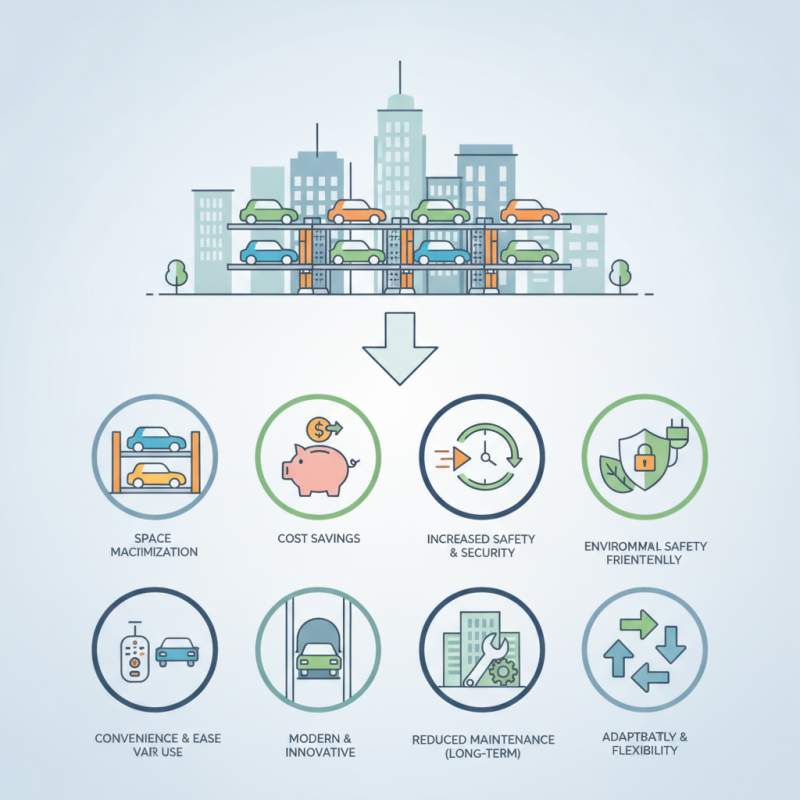
Benefits of Space Efficiency in Hydraulic Car Parking Systems
Hydraulic car parking systems present significant advantages to urban settings, particularly in space efficiency. A study conducted by the International Parking Institute indicates that these systems can save up to 60% of the space required by conventional parking methods. This is crucial in dense urban areas where available land is at a premium.
With a hydraulic system, vehicles are stacked vertically. This allows for more cars to be parked in a smaller footprint. For instance, a traditional parking lot may accommodate 20 cars. In contrast, a hydraulic system can fit 30 or more in the same area. Additionally, these systems reduce the need for extensive drive aisles, further accentuating space savings.
However, implementation can present challenges. Initial installation costs are higher than traditional parking solutions. Moreover, operator training is necessary to ensure safety and efficiency. A report by the National Parking Association highlights a 15% learning curve for users unfamiliar with automated systems. Despite these hurdles, the benefits far outweigh the downsides in many settings, promoting smarter urban development.
Enhanced Safety Features: Reducing Risks in Parking Environments
Hydraulic car parking systems offer significant safety advantages, particularly in crowded urban environments. Their design minimizes the risk of accidents during parking. Unlike traditional parking lots, these systems are engineered to reduce human error. With an automated mechanism, drivers can park without the typical anxiety of navigating tight spaces. This feature enhances the overall safety of parking operations.
Additionally, hydraulic systems are less prone to physical damage. Many of these setups use sturdy materials, which can withstand various impacts. In high-traffic areas, this durability is crucial. By minimizing wear and tear, they reduce the risk of hazardous situations resulting from malfunctioning equipment. Nonetheless, regular maintenance is essential. Failure to uphold safety protocols can lead to unforeseen issues.
Another important aspect is the visibility factor. Many hydraulic systems include integrated lighting or monitoring technologies. This improved visibility deters potential accidents and enhances security. However, users should remain vigilant. Trusting technology alone can sometimes overlook human oversight. A balance of automated features and attentive usage is key to maximizing safety in these systems.
Top 10 Benefits of Hydraulic Car Parking Systems
Time-Saving Advantages: Streamlining the Parking Process for Users
Hydraulic car parking systems offer significant time-saving advantages that streamline the parking process for users. According to the International Parking & Mobility Institute, these systems can reduce parking times by up to 60%, helping drivers find spots more efficiently. This not only alleviates frustration but also minimizes the overall congestion in busy areas. With a hydraulic system, vehicles are stacked vertically, maximizing space use. This innovative approach allows for quicker access to vehicles, making it an attractive option for urban environments where parking is a challenge.
Tips: Consider the impact of hydraulic systems on urban traffic flow. Enhanced parking efficiency can lead to reduced emissions and less time spent idling. It's crucial to weigh the initial investment against potential long-term benefits. While many users praise the convenience, some may question the technology's reliability.
Another aspect to consider is user experience. While hydraulic systems do save time, they can also present a learning curve for some users. Studies indicate that training on these systems can improve overall satisfaction. Educating customers about the benefits and functionality can ease any hesitations, fostering better acceptance of this progressive parking solution.
Top 10 Benefits of Hydraulic Car Parking Systems for Buyers
| Benefit | Description | Time Savings (minutes) | User Satisfaction (%) |
| Space Efficiency | Maximizes available space using hydraulic lifts to park vehicles vertically. | 5 | 90 |
| Reduced Parking Time | Automated systems significantly cut down the time taken to park a car. | 7 | 85 |
| Enhanced Security | Locked systems reduce theft and vandalism risks. | N/A | 95 |
| User-Friendly Interface | Simple controls make it easy for users of all ages to operate. | 3 | 88 |
| Environmental Benefits | Less land used for parking reduces urban sprawl. | N/A | 80 |
| Cost Efficiency | Long-term savings in space and labor costs. | N/A | 82 |
| Lower Car Damage Risks | Automated parking reduces the chances of scratches and dents. | 4 | 87 |
| 24/7 Availability | Access to parking without time restrictions enhances convenience. | N/A | 90 |
| Aesthetic Appeal | Modern designs enhance the visual appeal of parking spaces. | N/A | 86 |
| Increased Property Value | Well-designed parking solutions can increase real estate value. | N/A | 85 |
Cost-Effectiveness Over Time: Long-Term Savings from Hydraulic Systems
Hydraulic car parking systems are becoming increasingly popular due to their cost-effectiveness. Over time, they can lead to significant savings for buyers. Unlike traditional parking solutions, hydraulic systems utilize vertical space efficiently. This maximizes parking capacity without requiring extensive land use. The initial investment may seem high, yet the long-term benefits outweigh the initial costs.
With reduced energy consumption and maintenance expenses, hydraulic systems offer a sustainable solution for urban environments. Fewer moving parts mean less wear and tear. This translates to lower repair costs and increased reliability. Furthermore, energy-efficient designs can reduce utility bills. Many users report a decrease in overall operational costs within just a few years.
However, not every buyer may realize these benefits immediately. Some installations might require more adjustment and understanding. Understanding the system's functionality is essential. Occasionally, there may be hiccups in performance or user adaptation. These aspects warrant careful consideration before committing to a hydraulic parking system.
Environmentally Friendly Solutions: Sustainability in Urban Parking Systems
Urban areas face a significant challenge in providing efficient parking solutions. Hydraulic car parking systems emerge as a viable option that promotes sustainability. According to a report by the International Parking Institute, these systems can save up to 50% of the space required for traditional parking methods. This is crucial in densely populated cities, where every square foot counts.
Additionally, hydraulic systems reduce emissions. They often rely on electric power, minimizing greenhouse gas contributions. Research indicates that reducing parking area emissions can cut overall urban pollution by 10% over a decade. This transition to eco-friendly systems aligns with global sustainability goals. However, the initial costs can be a hurdle for some investors.
Moreover, maintenance of hydraulic parks requires careful monitoring. While these systems are efficient, they need regular check-ups to ensure optimal performance. Investing in training for maintenance personnel is vital. Such preparation helps avoid accidents and costly repairs. Sustainable parking systems are promising, but their implementation should come with thoughtful planning.