As the 2026 Canton Fair approaches, the spotlight shines on innovative technologies like the Automated Crane System. This system revolutionizes material handling, ensuring efficiency in logistics. Experts in the field, like Dr. Emily Zhang, emphasize its importance: "Automated Crane Systems will reshape how we perceive industrial automation."
With the introduction of AI in the Fair, visitors can explore smarter solutions effortlessly. Imagine navigating a vast 1.55 million square meter venue, identifying qualified suppliers with just a few clicks. The synergy of AI and Automated Crane Systems promises to enhance the overall experience.
However, the industry faces challenges. Implementing such systems requires significant investment. Not all companies can afford to adapt quickly. It’s crucial for the sector to consider these barriers while embracing progress. The journey towards automation is exciting but complex, demanding continuous evaluation and innovation.
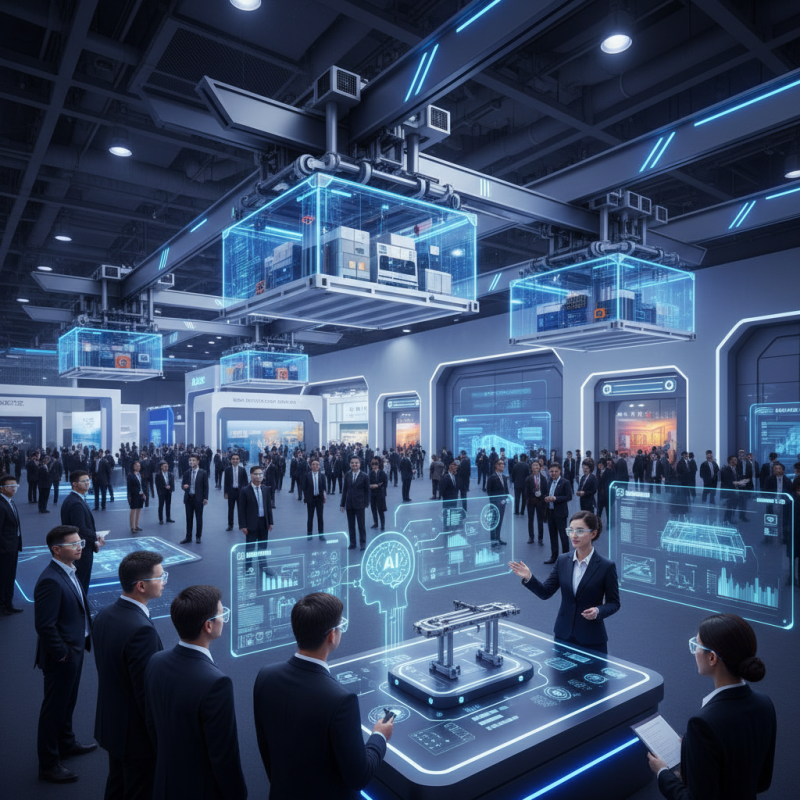
Automated crane systems are transforming operational efficiency. At the 2026 Canton Fair, these systems showcase their capability to enhance productivity. By reducing manual labor, they minimize human error and streamline processes. With precise movements, automated cranes lift and transport heavy materials quickly. This speed can lead to faster project completion times.
Furthermore, implementing these systems can reduce overall operational costs. Companies save on labor and training expenses. However, there are challenges. Integration with existing systems may require adjustments. Not all facilities are ready for full automation. Some workers may feel uneasy about technology replacing their roles. Training is essential to bridge this gap.
Real-time monitoring provides valuable data. Operators can foresee potential issues before they arise. This foresight can reduce downtime and increase safety. Automated systems also operate on a consistent schedule, ensuring reliability. Yet, it’s crucial to maintain these systems to avoid costly repairs. Regular checks and updates can help sustain their efficiency.

Automated crane systems are transforming workplace safety standards. With 200,000 workplace injuries in the U.S. each year, enhancing safety is critical. These cranes reduce manual handling, which is often a major cause of accidents. Using advanced sensors, they can detect obstacles and prevent collisions. This accuracy diminishes the risk of injuries significantly. A study by the Occupational Safety and Health Administration (OSHA) indicates that automation could decrease these accidents by up to 30%.
In 2026, the Canton Fair will showcase various automated crane technologies. Among these features, real-time monitoring stands out. It provides instant feedback to operators about load positions and environmental conditions. Workers can receive alerts if something is wrong. However, integrating automation isn't without challenges. Proper training is essential. Employees may feel uncomfortable transitioning to automated systems. Regular drills and training sessions can help bridge this gap.
Despite the benefits, reliance on technology isn't foolproof. Potential system malfunctions could pose risks if not handled properly. Therefore, it's vital to establish emergency protocols. Continuous assessment is needed to ensure systems operate within safety parameters. Investing in these technologies doesn't eliminate risk but certainly minimizes it.
This chart illustrates the top 10 benefits of automated crane systems showcased at the 2026 Canton Fair, highlighting the importance of enhanced safety features and overall workplace safety improvements.
Automated crane systems are revolutionizing the logistics and manufacturing sectors. These systems can significantly reduce labor costs. Recent industry reports indicate that companies can save up to 30% on labor by implementing automation. This technology minimizes the need for manual operators, allowing businesses to allocate resources more effectively.
Maintenance costs are another concern addressed by automation. Traditional cranes require frequent upkeep, often costing 15% of initial investment annually. In contrast, automated systems can decrease these expenses by 50%. This reduction arises from less wear and tear on equipment. For instance, smart sensors can predict when parts need servicing, preventing unexpected breakdowns.
However, there are challenges. Transitioning to automated cranes demands significant upfront investment. Smaller companies might find it difficult to adapt. Moreover, while automation enhances efficiency, it can lead to job redundancies, which requires careful management. Balancing cost savings with workforce impacts remains a critical issue in this evolving landscape.
| Benefit | Description | Estimated Savings (%) |
|---|---|---|
| Reduced Labor Costs | Automation decreases the need for manual labor, minimizing operational costs. | 30% |
| Lower Maintenance Costs | Advanced technology in cranes reduces wear and tear resulting in lower maintenance expenditures. | 25% |
| Increased Efficiency | Automated systems operate at higher speeds with more precision, enhancing productivity. | 40% |
| Improved Safety | Reduced human involvement diminishes the risk of accidents and enhances workplace safety. | 50% |
| Better Space Utilization | Automated cranes can operate in tighter spaces, maximizing warehouse efficiency. | 20% |
| Enhanced Load Control | Precision automation allows for better handling of loads, reducing damage and loss. | 15% |
| Adaptability | Automated systems can be reprogrammed for different tasks, enhancing flexibility. | 18% |
| Data Collection and Analytics | Automated cranes can gather operational data, enabling better decision-making. | 10% |
| Sustainability | Automated systems generally consume less energy, supporting green initiatives. | 12% |
| Operational Continuity | Automated systems can operate 24/7 with minimal downtime, improving throughput. | 35% |
Automated crane systems are revolutionizing material handling. One significant benefit is improved precision. These systems minimize human error in lifting and transporting goods. Automated cranes can execute tasks with pinpoint accuracy. This is crucial for industries that deal with sensitive materials.
Moreover, these systems can operate in tight spaces. They maneuver effortlessly, reducing the risk of accidents. Workers can focus on other tasks while automation handles heavy lifting. This shift enhances overall productivity. However, the reliance on technology raises concerns. If the system fails, recovery can take time. Operators must be trained to manage these challenges effectively.
Investment in automated cranes also requires careful consideration. High initial costs may deter some companies. Maintenance is another factor to ponder. Regular check-ups and potential upgrades are necessary. A balance must be struck between cost and efficiency. Automation brings numerous benefits, but it is essential to remain vigilant and adaptable.
Automated crane systems represent a significant advancement in material handling. These systems utilize advanced technologies like AI and IoT. Integration of these technologies enhances efficiency and accuracy. Automated cranes can operate with minimal human intervention, reducing the risk of errors and accidents on-site.
It's important to carefully consider how these systems are implemented. Over-reliance on automation may lead to skill gaps among workers. Training programs should accompany the introduction of new technology. Keeping staff updated is crucial for successful integration.
Furthermore, automated cranes can collect valuable data. This data can provide insights into operations, leading to continual improvements. Regularly reviewing this data is essential as it allows for identifying areas that need attention and reduces downtime. Automated systems may seem flawless, but they require constant oversight for optimum performance.
© Shipham Valves 2025. All Rights Reserved.
Website By PS Website Design Ltd
Request a Quote/Further Information
Download
We use cookies on this website, by continuing to browse the site you are agreeing to our use of cookies. Find out more.