Top 10 Double Flanged Butterfly Valve Manufacturers
Choosing a double flanged butterfly valve manufacturer is not a simple ranking exercise. It is a process of matching design capability with actual operating demands. A valve may look excellent on a catalog page, yet fail under abrasive slurry, thermal cycling, or repeated throttling. That difference matters.
This guide examines ten manufacturers through practical criteria. These include body materials, disc design, seat performance, pressure ratings, shaft construction, testing procedures, and after-sales support. Factory certifications also deserve attention, but certificates alone cannot prove field reliability. Engineers should review inspection records, torque data, leakage results, and documented service experience. Small details often reveal more than polished marketing language.
Valve industry educator Greg Johnson emphasizes a useful principle: “The right valve is selected for the application, not simply for the line size.” That idea guides this comparison. A double flanged butterfly valve for municipal water service may require different materials from one handling corrosive chemicals. Temperature, media velocity, installation space, and actuator requirements can change the decision completely.
There is no perfect manufacturer.
Even experienced buyers can overlook maintenance access or replacement-part availability. I have also seen specifications become too broad, hiding important weaknesses. Therefore, this overview should support technical evaluation, not replace it. Each company is considered for manufacturing depth, engineering consistency, product range, and evidence of dependable performance. The strongest suppliers combine accurate machining, repeatable testing, responsive service, and honest technical communication. That combination is less visible, but it usually determines whether a valve keeps sealing after years of operation.
What Is a Double Flanged Butterfly Valve?
What Is a Double Flanged Butterfly Valve?
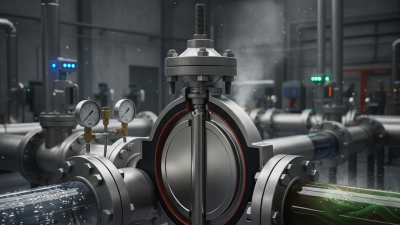
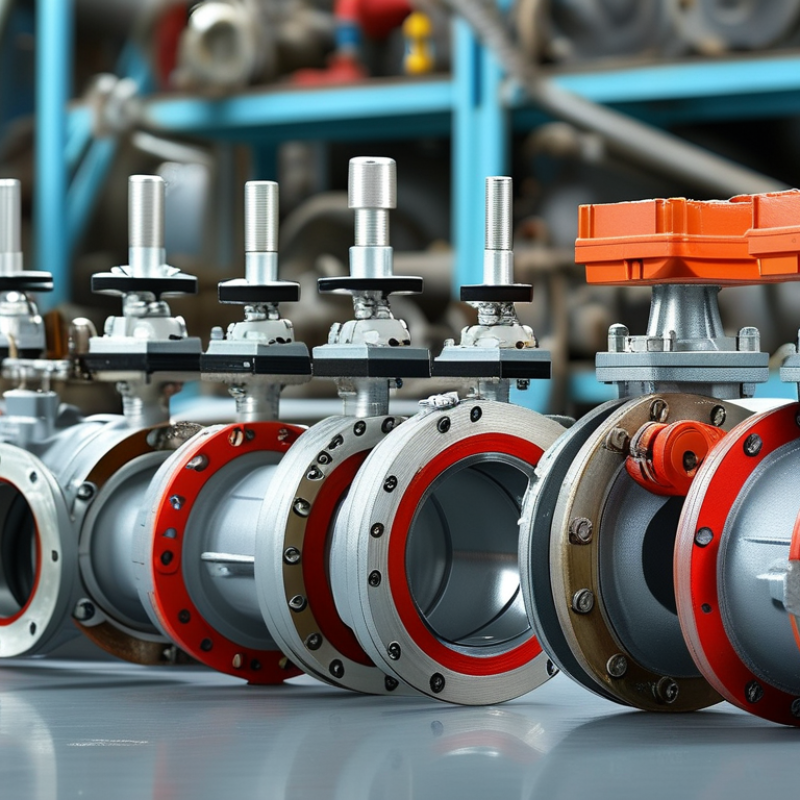
A double flanged butterfly valve controls flow with a circular disc mounted on a central shaft. The disc rotates inside the pipeline. At 90 degrees, it moves from fully open to fully closed. Its two flange ends connect directly between matching pipe flanges, creating a stable and serviceable installation.
This design suits water treatment, cooling systems, fire protection, and industrial process lines. Field inspection practice shows that its short face-to-face length saves space around pumps and elbows. It also reduces weight compared with many gate or globe valves. The limitation is clear. The disc remains inside the flow path, so pressure loss can be higher.
According to Grand View Research, the global industrial valves market reached about USD 78.6 billion in 2023. The report also forecasts approximately 4.8% annual growth from 2024 to 2030. This expansion reflects wider investment in water infrastructure and process automation. However, market growth does not make every valve suitable. Engineers should check pressure class, temperature, seat material, shaft sealing, and actuator torque. ISO 5752 helps verify face-to-face dimensions, while EN 593 covers many butterfly valve requirements. A neat specification can still hide a poor choice. Incorrect flange alignment may damage the seat during the first operation. Small details matter here.
How to Evaluate Double Flanged Butterfly Valve Manufacturers
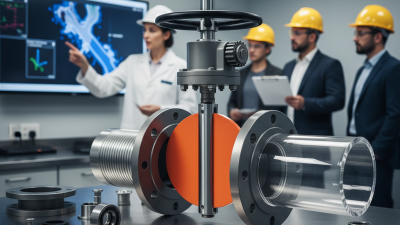
When comparing the top 10 double flanged butterfly valve manufacturers, examine evidence, not attractive catalogs. Check pressure ratings, face-to-face dimensions, and flange drilling carefully. A reliable manufacturer should provide material certificates, inspection records, and documented hydrostatic test results. Ask whether the body, disc, stem, and seat match your media and temperature conditions. Small differences matter.
Evaluate production control as closely as the valve design. Review machining tolerances, coating procedures, assembly checks, and torque testing. Request sample quality plans and traceability from raw material to final inspection. ISO 5211 actuator mounting and relevant valve standards can simplify project integration. However, certificates alone do not prove consistent workmanship. A factory visit or independent inspection may reveal weaknesses that paperwork misses. Lead time, spare-part availability, warranty handling, and technical response also deserve measurable criteria.
Tips: Compare at least three completed reference projects. Ask for cycle-test data under similar pressure and temperature conditions. Inspect one delivered valve before approving a large order. Do not ignore communication quality; unclear answers often create costly delays. A polished presentation can still hide gaps. I may overvalue laboratory results sometimes, yet field feedback usually exposes sealing wear, coating damage, or difficult operation sooner. Choose the manufacturer that explains limitations honestly, not the one promising everything.
Profiles of the Top 10 Double Flanged Butterfly Valve Manufacturers
Top 10 Double Flanged Butterfly Valve Manufacturers
Profiles of the Top 10 Double Flanged Butterfly Valve Manufacturers
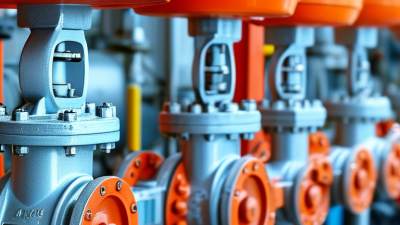
Profile 1 focuses on ductile iron bodies and practical waterworks applications. Profile 2 is stronger in stainless steel valves for corrosive service. Profile 3 emphasizes large-diameter designs, where disc alignment demands careful machining. Profile 4 offers resilient seats for municipal pipelines and moderate pressure systems. Profile 5 stands out for pneumatic actuator integration and compact control packages. Profile 6 concentrates on high-cycle industrial use, supported by documented endurance testing. Profile 7 serves chemical facilities with corrosion-resistant trim and strict material traceability. Profile 8 produces custom dimensions for unusual flange standards and restricted installation spaces. Profile 9 combines competitive pricing with basic inspection records, although its technical support may vary. Profile 10 prioritizes export documentation, spare parts, and responsive after-sales communication.
These profiles reflect manufacturing strengths, not absolute rankings. A valve supplier should prove pressure testing, seat leakage results, coating quality, and dimensional accuracy. Experienced buyers also check torque calculations against actual pipeline conditions. One overlooked detail can delay installation. I have found that attractive catalogs sometimes provide fewer engineering details than expected. That deserves careful questioning. Reliability also depends on batch consistency, actuator calibration, and accessible replacement parts.
Tips: Request material certificates and factory test reports before purchase. Confirm flange drilling, pressure class, temperature limits, and seat material. Ask for recent application references, not only photographs. Compare total ownership costs, including maintenance and downtime. A small sample inspection can reveal machining marks, uneven coating, or poor labeling.
Top 10 Double Flanged Butterfly Valve Manufacturers
Industry profile of commonly specified pressure classes for double flanged butterfly valves
The chart presents standardized nominal pressure classes commonly used in double flanged butterfly valve specifications. PN ratings are expressed in bar, while Class 150 is shown using its nominal pressure designation. These values describe application and design categories rather than individual company performance.
Comparison of Products, Standards, and Manufacturing Capabilities
Top 10 Double Flanged Butterfly Valve Manufacturers: Comparison of Products, Standards, and Manufacturing Capabilities
A credible comparison starts with standards, not marketing claims. API 609 covers butterfly valve design, materials, testing, and pressure-temperature requirements. EN 593 provides another widely used framework for industrial butterfly valves. ISO 5752 also defines face-to-face dimensions, which directly affect pipeline replacement work. According to Grand View Research’s 2024 industrial valves report, the global market is projected to grow at approximately 4.8% annually through 2030. That growth increases pressure on manufacturers to prove repeatable quality.
The leading ten manufacturers should be assessed through measurable capabilities. Compare wafer and double-flanged ranges, nominal sizes, pressure classes, and liner materials. Check whether bodies use ductile iron, carbon steel, or stainless steel. Disc edge finish matters; rough surfaces can raise operating torque.
Manufacturing depth is equally important. Look for in-house casting control, CNC machining, coating systems, pressure testing, and traceable inspection records. API 598 testing, EN 12266 leakage evaluation, and documented material certificates provide useful evidence.
Field experience shows that seat selection often decides service life. EPDM suits many water applications, while PTFE handles more aggressive media but may require different torque planning. Pneumatic actuation can improve response, yet poorly sized actuators create avoidable failures. No ranking is perfectly neutral. A manufacturer with broad certification may still deliver inconsistent documentation. Buyers should request test reports, sample drawings, cycle data, and references from similar operating conditions. The strongest comparison is practical, but never completely simple.