Top Tips for Choosing the Right Flat Welding Flange?
Choosing the right Flat Welding Flange is crucial for ensuring a strong and durable connection in piping systems. According to John Smith, a recognized expert in pipe fittings, “Selecting the correct flat welding flange can be the difference between failure and success in your projects.” This statement highlights the importance of making informed decisions in this sector.
Flat welding flanges are integral components in various industrial applications. They provide a reliable seal and support mechanical structures. The choice of material, size, and pressure rating directly affects performance. Attention to detail is vital; overlooked specifications can lead to costly repairs and safety hazards.
While many manufacturers offer flanges, not all meet industry standards. Research and comparisons are essential. Don't hesitate to seek advice from seasoned professionals. It’s important to reflect on both the short-term and long-term implications of your choices. Every detail matters when it comes to flat welding flanges, shaping the integrity of your entire system.
Understanding Flat Welding Flanges: An Overview
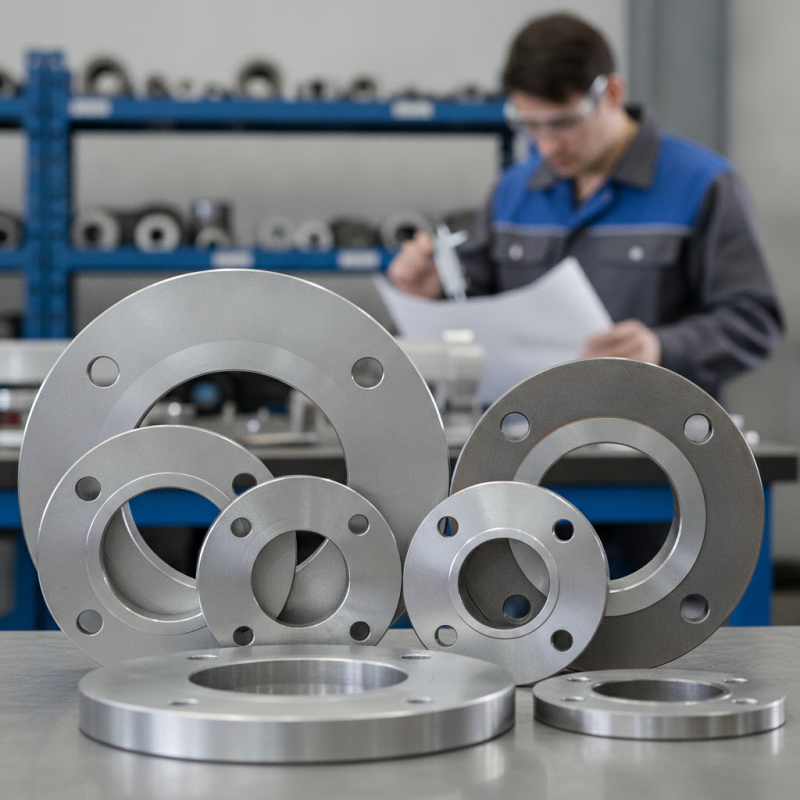
Flat welding flanges are a crucial component in many piping systems. They provide a means of connecting pipes, valves, and other equipment. Understanding these flanges is essential for ensuring proper installation and functionality. According to the American Society of Mechanical Engineers (ASME), flanges must be selected based on the type of fluid, pressure, and temperature conditions of the application.
Flat welding flanges typically feature a smooth surface that allows for a strong weld connection. This design minimizes turbulence and encourages better flow. Industry data indicates that improper flange selection can lead to leaks and reduced system efficiency. In fact, it is estimated that up to 30% of maintenance issues in industrial piping systems are due to flange failure. This emphasizes the need for careful consideration during the selection process.
There are several factors to assess when choosing the right flat welding flange. These include material compatibility, size dimensions, and the type of service conditions. Some materials may corrode or degrade under certain environmental factors, leading to unexpected failures. Potential users should conduct thorough research to select flanges that meet their specific requirements. Choosing wisely can prevent costly repairs and enhance operational reliability.
Key Factors to Consider When Selecting Flat Welding Flanges
When selecting a flat welding flange, several key factors demand your attention. Material choice is crucial. Common options include carbon steel, stainless steel, and aluminum. Each material has specific properties affecting durability and corrosion resistance. For instance, stainless steel flanges may cost more but offer superior resistance to harsh environments. According to industry reports, over 30% of project failures stem from using inappropriate materials for flanges.
Another aspect is the flange size and type. You need to ensure proper compatibility with the pipes. Mismatched sizes can lead to leaks and operational failures. Consult industry standards like ASME B16.5 for sizes and specifications. Data shows that improperly chosen flanges can lead to a 20% increase in maintenance costs. It’s not just about fitting; it’s about ensuring longevity and efficiency.
You should also consider the manufacturing process. Factors such as weldability and pressure ratings matter significantly. Poor quality flanges often show weaknesses under stress. In fact, a survey reported that 25% of failures in pipeline systems relate to inadequate flange quality. Researching trustworthy suppliers and products is essential to avoid costly mistakes. Investing time in these details can save you from serious problems later.
Materials and Standards for Flat Welding Flanges
When selecting flat welding flanges, material choice plays a crucial role. Common materials include stainless steel, carbon steel, and alloy steels. According to industry data from the American Society of Mechanical Engineers (ASME), stainless steel offers excellent corrosion resistance, vital for challenging environments. Carbon steel is cost-effective and widely used in general applications. However, it may not withstand extreme conditions over time.
Standards also significantly impact the performance of flat welding flanges. The ANSI/ASME B16.5 standard specifies dimensions, tolerances, and ratings. It ensures consistency and reliability in flange manufacturing. Compliance with these standards guarantees safety and improves longevity. However, not all suppliers adhere strictly to these guidelines. This inconsistency can lead to potential risks during installation and operation.
The right combination of materials and adherence to standards can mitigate failure risks. A 2022 report from the Pipeline and Hazardous Materials Safety Administration highlights that improper material selection is a leading cause of pipe system failures. Thus, understanding the properties and standards of materials is essential for long-term performance. Balancing cost and reliability can be a challenge, but informed decisions can minimize future risks.
Top Tips for Choosing the Right Flat Welding Flange
Common Applications of Flat Welding Flanges
Flat welding flanges are crucial in various industries. Their primary applications are found in piping systems, power plants, and refineries. These flanges connect pipes and components securely. They can withstand high pressure and temperatures, making them reliable in challenging environments. Many engineers choose these flanges for their simplicity and effectiveness.
In the oil and gas sector, flat welding flanges play a vital role. They help in managing fluid flow efficiently. Their design allows for easy welding, ensuring a durable connection. In chemical processing plants, these flanges resist corrosion, contributing to safety and longevity.
However, selecting the right flange can be challenging. Consider the specific application and environmental factors. Sometimes, engineers overlook stress factors that affect performance. Flanges that are too small or improperly rated could lead to leaks and failures. Continuous evaluation and consultation with experts can improve choices significantly.
Tips for Maintenance and Inspection of Flat Welding Flanges
Maintaining flat welding flanges is essential for ensuring their longevity and performance. Regular inspections should focus on identifying visible wear, cracks, or misalignments. Use appropriate tools to check for surface damage. Even minor flaws can lead to bigger issues if not addressed promptly. Pay attention to sealing surfaces, as they are critical for preventing leaks.
Cleaning is another vital task. Remove any dirt, grease, or corrosion that may accumulate over time. A clean flange promotes better connections. Consider using non-abrasive cleaning agents to avoid damaging the material. After cleaning, inspect for signs of surface degradation.
It's important to conduct thorough inspections during routine maintenance. Keeping a detailed log of inspections and repairs can help track the flange's condition over time. If you notice wear patterns or recurring issues, reflect on possible causes. Is there a problem with the installation or alignment? Engaging qualified personnel to review your findings ensures a holistic approach to maintenance.
Top Tips for Choosing the Right Flat Welding Flange - Tips for Maintenance and Inspection of Flat Welding Flanges
| Criteria | Description | Maintenance Tips | Inspection Guidelines |
| Material Type | Choose based on the application environment (e.g., carbon steel, stainless steel). | Regularly inspect for corrosion or wear, especially in harsh conditions. | Check for cracks or deformities during routine maintenance. |
| Size and Pressure Rating | Select flanges that meet the required pressure and size specifications. | Ensure correct installation and sealing to prevent leaks. | Use pressure testing to find potential failures in the system. |
| Connection Type | Consider the connection type needed (e.g., butt weld, slip-on). | Lubricate threads and inspect gaskets to ensure a tight fit. | Look for signs of leakage at connection points during inspections. |
| Standards and Certifications | Ensure flanges comply with industry standards (e.g., ASME, ASTM). | Regularly check certificates of compliance and condition. | Verify compliance with regulatory guidelines during audits. |
| Cost Considerations | Balance between quality and budget during selection. | Invest in maintenance to mitigate long-term costs due to failures. | Budget for routine inspections as part of the overall cost management. |