Top 5 Stair Tread Tips for Safety and Style in Your Home?
Stair Treads play a crucial role in ensuring safety and enhancing the aesthetic appeal of your home. Choosing the right stair tread can help prevent slips and falls, especially in high-traffic areas. Quality stair treads matter for every home, regardless of style or size. A beautiful staircase can elevate your interior design, yet it must remain functional.
Effective stair tread options include non-slip materials and attractive designs. Combining safety features with stylish choices can be challenging. It’s essential to balance these elements while considering your family's needs. For instance, you might prefer a chic carpet tread, but it can lack grip. Visibility is also important; colors that stand out can prevent accidents.
Reflecting on your choices is vital. Are your current stair treads meeting safety standards? Do they match your home's design? Ensuring that your stair tread is both safe and stylish can lead to thoughtful decisions. With careful consideration, you can make your stairs a secure and fashionable feature of your home.
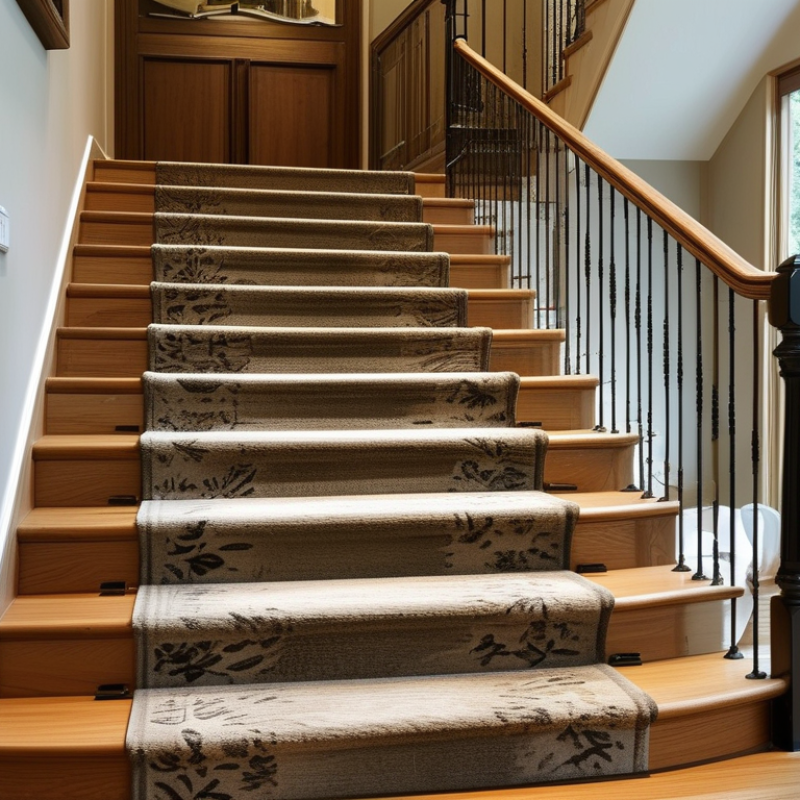
Top 5 Stair Tread Tips for Safety and Style in Your Home
Stair treads play a vital role in elevating both safety and style in your home. Choosing the right material and design can enhance your staircase while preventing accidents. Here are some essential tips to consider.
Consider using non-slip materials. Carpet treads or textured rubber options can provide excellent grip. This is especially important in homes with children or elderly family members. Ensure that they fit securely to prevent tripping.
Matching your treads with the overall decor of your home can create a cohesive look. For a sleek appearance, opt for wooden treads that complement your staircase railing. For a bold pop of color, consider patterned treads. However, be cautious—unduly bright treads can clash with your overall design, creating visual dissonance.
Regular maintenance is crucial. Inspect your treads for wear and tear. Loose or damaged treads should be replaced immediately. Grit or dirt can accumulate, reducing traction. Keep treads clean and well-maintained to reinforce safety and prolong their lifespan.
Understanding Stair Tread Safety: Key Statistics on Accidents at Home
Stair safety is crucial in homes. According to the National Safety Council, falls are the leading cause of injuries at home. In fact, over 1 million people visit emergency rooms each year due to stair-related accidents. This alarming statistic highlights the importance of stair tread safety. Ensuring your stair treads are secure can greatly reduce these risks.
Research shows that poorly maintained stairs stair treads contribute to many of these accidents. More than 60% of falls occur on stairs, often because of inadequate traction. Using proper materials for treads can prevent slipping. Non-slip surfaces are essential, especially in households with children or elderly residents.
Moreover, visibility is key. A recent study by the CDC found that stairs without contrasting colors or visual indicators are 35% more likely to result in accidents. Ensuring your stairs are well-lit and painted in contrasting colors can significantly decrease the chance of falls. By focusing on these details, homeowners can enhance both the safety and aesthetic appeal of their staircases.
Selecting the Right Material: Comparing Durability and Aesthetics
When selecting stair tread materials, both durability and aesthetics must be considered. Durable materials like rubber and vinyl can withstand heavy foot traffic. According to a report from the National Flooring Association, rubber treads can last up to 20 years with minimal wear. This long lifespan makes them a cost-effective choice.
On the aesthetic side, wood treads introduce warmth and elegance. However, wood requires regular maintenance to avoid wear and weather damage. A study by the American Institute of Architects suggests that using engineered wood can combine beauty with strength, making it a smart choice for homes.
Tip: Choose materials that complement your home’s decor. Mixing textures can create a visually appealing contrast. For example, using resilient flooring in high-traffic areas while employing softer, warm woods in living spaces balances durability and style nicely. It’s essential to reflect on the potential for wear and decide based on your household’s specific needs and lifestyle.
Top 5 Stair Tread Tips for Safety and Style in Your Home
The Importance of Texture: Enhancing Grip and Reducing Slippage
When considering stair treads, texture plays a critical role in safety. A textured surface can greatly enhance grip, significantly reducing the risk of slips and falls. According to a study by the National Safety Council, about 40% of falls occur on stairs. Implementing effective tread solutions can mitigate this alarming statistic.
Research indicates that using materials with higher friction can reduce slippage by up to 70%. For instance, rubber and vinyl options often provide superior grip compared to smoother surfaces. Notably, surfaces with integrated design patterns can also aid in moisture drainage, further minimizing the risk of accidental falls.
While aesthetics are important, the primary focus should remain on safety. It's easy to overlook the texture of stair treads when prioritizing style. Yet, combining appealing designs with safety-focused materials can create a harmonious balance. Homeowners should regularly inspect and maintain these textures, as wear over time can compromise grip. A simple visual check can prevent accidents before they happen.
Color and Design Choices: Balancing Style with Functionality
Choosing the right color and design for your stair treads can be both fun and challenging. The first step is to consider the overall theme of your home. For a contemporary look, opt for sleek, neutral colors that blend seamlessly. Vibrant colors can add a pop of personality, but they might clash with other decor. Think about how your choices will impact the mood of the space. Darker tones can evoke a sense of warmth but may show dust more easily.
Balancing style with functionality is essential. Textured designs can enhance grip, making stairs safer. However, intricate patterns may be harder to clean. A simple, flat tread may suit minimalist aesthetics but might lack required traction. It's essential to reflect on these factors. Remember, what looks good may not always be the safest. Aim for a balance that ensures both beauty and security.
Don't hesitate to experiment. You might not get it right the first time. Finding that perfect blend is often a journey, not just a single choice.
Conclusion
In the quest for both safety and style within your home, the selection of stair treads plays a crucial role. Understanding stair tread safety is paramount, as statistics reveal that many accidents occur on stairs due to insufficient grip. Selecting the right material is essential, as it impacts both durability and aesthetics, while texture significantly enhances grip and minimizes slippage.
Moreover, color and design choices should be carefully considered to strike a balance between functionality and the overall decor of your home. Regular maintenance is key to ensuring the longevity and safety of stair treads, allowing them to remain a stylish yet secure element of your staircase. By following these tips, you can create a safer and more visually appealing environment in your home.