What is Rotational Molding and its Benefits for Manufacturers?
In the ever-evolving landscape of manufacturing, "Rotational Molding" stands out. This process involves heating a polymer within a mold, resulting in seamless and complex shapes. Expert Jane Smith, a leading authority in rotational molding, emphasizes, "The beauty of rotational molding lies in its versatility and design freedom."
Rotational molding offers several advantages for manufacturers. It allows for the production of lightweight yet durable parts. Additionally, it supports low-volume production at a reduced cost, which is vital for niche markets. However, challenges exist. For instance, achieving consistency in wall thickness requires precision and expertise.
The industry's future hinges on innovation. New materials and advanced technologies are reshaping rotational molding. As the demand for sustainable practices grows, this method will need to adapt. Manufacturers must reflect on their processes and embrace these changes for continued success. Embracing the potential of rotational molding could lead to remarkable advancements in production efficiency and quality.
What is Rotational Molding?
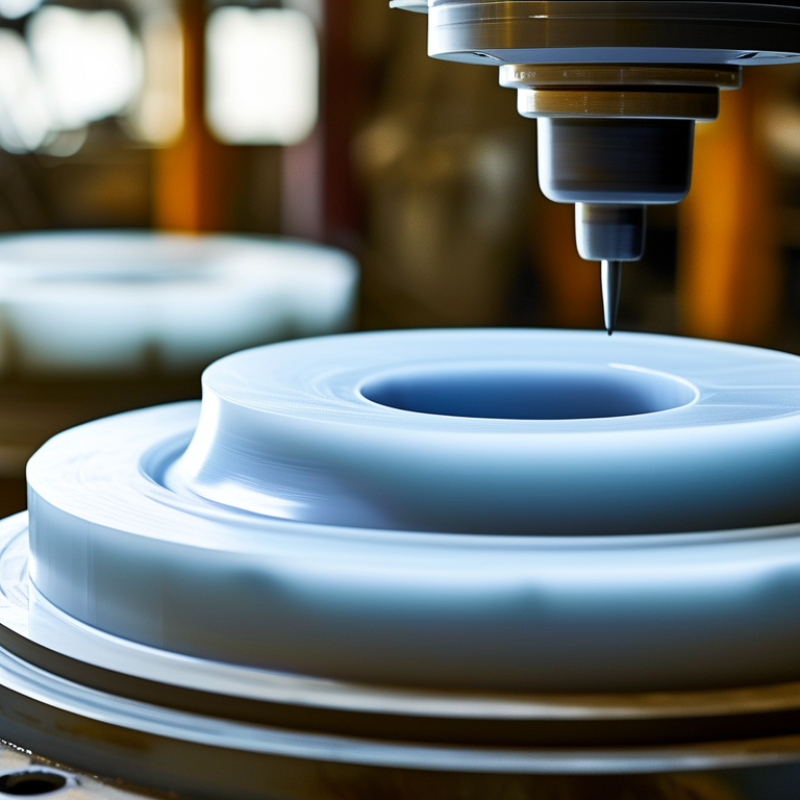
Rotational molding is a manufacturing process that creates hollow plastic parts. It involves heating plastic resin in a mold while rotating it along two perpendicular axes. This motion ensures even distribution of material, resulting in a strong and uniform product. The heating melts the plastic, causing it to coat the mold's interior. As the mold cools, the resin solidifies, forming the desired shape.
One benefit of rotational molding is its versatility. This method accommodates various shapes, sizes, and colors. For manufacturers, it presents opportunities for creativity. Adaptations can be made quickly, allowing for short production runs. The ability to create complex designs also reduces the need for assembly. That makes the entire process more efficient.
Tip: Ensure accurate mold designs before starting production. Any errors can lead to costly reworks or wasted material. Also, consider using lightweight materials for easier handling during manufacturing.
Keep in mind that, while rotational molding has many advantages, it may not be suitable for all projects. For instance, it might take longer for large runs compared to other methods. Manufacturers should weigh these factors before deciding.
The Process of Rotational Molding Explained
Rotational molding is a unique manufacturing process. It allows companies to create hollow plastic parts with precise shapes. The process begins with a mold. This mold is typically made of metal, which is heated. Plastic resin is then added to the mold.
As the mold rotates, the resin spreads and coats the interior surface. The gentle rotation ensures an even distribution. Heat causes the resin to melt and adhere to the mold. This method is particularly effective for large parts and those with complex geometries. The result is a lightweight yet durable end product.
Despite its advantages, rotational molding isn't without challenges. Molds can be expensive to produce. Also, the process is slower than some other methods. Companies must weigh these factors carefully. Understanding the intricacies of this process helps manufacturers make informed decisions. Emphasizing quality and design is crucial in this field.
Key Materials Used in Rotational Molding
Rotational molding is a versatile manufacturing process that allows for the creation of hollow plastic products. The choice of materials significantly impacts the efficiency and quality of the finished products. Commonly used materials in this process include polyethylene, polycarbonate, and nylon. Polyethylene, in particular, dominates the market, accounting for approximately 70% of all rotationally molded products due to its excellent impact resistance and durability.
Polycarbonate is favored for applications requiring high strength and transparency. However, its cost can be a limiting factor for some manufacturers. Nylon, while offering enhanced tensile strength, may require more complex processing. Each material has pros and cons, and selecting the right one can be challenging. Manufacturers must weigh factors such as production costs, application requirements, and environmental impact.
Data from industry reports indicate that the rotational molding market is expected to experience steady growth, with a projected CAGR of around 5% through 2025. This growth underscores the importance of material selection in optimizing production processes. Overall, understanding the key materials used in rotational molding is crucial for manufacturers aiming to enhance their competitiveness in the market.
Advantages of Rotational Molding for Manufacturers
Rotational molding is an innovative manufacturing process, offering several advantages for manufacturers. This method is known for its efficiency and design flexibility, making it ideal for producing large hollow parts. According to the Society of Plastics Engineers, rotational molding can reduce material waste by up to 20% compared to other methods. This efficiency directly impacts production costs, allowing manufacturers to optimize their budgets and resources effectively.
One notable benefit of rotational molding is its ability to create complex shapes without the need for expensive molds. This reduces the overall production time and cost. Industry reports indicate that manufacturers can achieve lower lead times, enhancing their ability to meet market demands quickly. The durability of the finished products is another key advantage. Rotationally molded items are resistant to impact, UV, and harsh chemicals, which can lead to lower long-term maintenance costs. However, some manufacturers still face challenges in perfecting this process, such as achieving uniform wall thickness.
While the advantages are clear, not all projects benefit equally from rotational molding. Designers must consider thermal properties and material compatibility. Despite these considerations, the process continues to evolve, offering reliable solutions across various industries. With ongoing advancements, manufacturers have the opportunity to leverage the benefits of rotational molding, making it a compelling choice for future projects.
Applications of Rotational Molding in Various Industries
Rotational molding is a versatile process used in several industries. It creates hollow plastic products, which are lightweight and durable. The method involves heating a mold and rotating it, allowing the material to coat the interior evenly. This process is highly effective for manufacturing various shapes and sizes.
In the automotive industry, rotational molding produces parts like fuel tanks and interior components. These parts are robust and resistant to impact. The outdoor furniture sector also benefits from this process. Chairs and tables made through rotational molding can withstand harsh weather without degrading.
Furthermore, the toy industry utilizes this technology for creating safe and colorful play items designed for children.
However, there are limitations to consider. The size of the mold can restrict production for larger items. Additionally, the process can lead to inconsistent wall thickness in some applications. Manufacturers must continuously refine their techniques to ensure quality. These challenges also push for innovation in rotomolding techniques and materials.