What is a Piston Filler and How Does it Work?
A Piston Filler is a vital tool in the packaging industry. It offers precise filling for various products, from liquids to creams. John Smith, a leading expert in filling technology, states, "Piston Fillers ensure accuracy and efficiency like no other method."
In the world of manufacturing, understanding the mechanics of a Piston Filler is essential. This machine operates using a piston within a cylinder. As the piston moves, it draws liquid in and dispenses it into containers. The process seems straightforward, yet small adjustments can greatly influence performance.
Many businesses overlook how critical proper setup is. A poorly calibrated Piston Filler can lead to inconsistent filling, which affects product quality and customer satisfaction. Recognizing this, companies must strive for continuous improvement in their filling processes. An experienced operator not only runs the machine but also identifies potential flaws. Keeping a focus on precision can transform production efficiency and reliability in output.
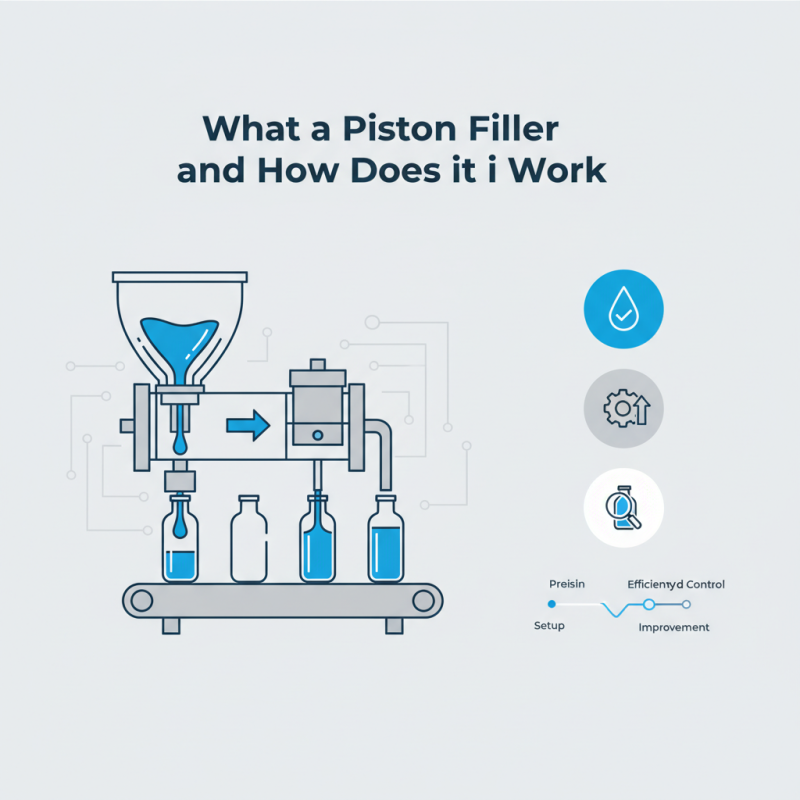
What is a Piston Filler?
A piston filler is a type of filling machine that uses a piston to dispense liquids, creams, or other semi-viscous substances. It is widely used in industries like food, pharmaceuticals, and cosmetics. The design is relatively simple yet effective, making it popular in various manufacturing settings. The key component of a piston filler is its piston mechanism, which creates suction and pressure to fill containers accurately.
In operation, the piston moves back to create a vacuum, drawing the product into the cylinder. When the piston moves forward, it pushes the liquid out through a nozzle into the container. This precise mechanism allows for consistent fills, minimizing waste and ensuring the product remains uncontaminated. Users appreciate the flexibility of piston fillers, as they can handle a range of viscosities. However, some challenges exist, such as maintaining cleanliness between batches and adjusting for different fill volumes.
Piston fillers are known for their efficiency, but they require regular maintenance to ensure accuracy. Over time, components may wear out, leading to inconsistent fills. Operators must be vigilant in monitoring the equipment and be prepared to make adjustments. Investing in training for staff can enhance the reliability of the operation, making it crucial for businesses to develop good practices. In summary, while piston fillers offer many benefits, continuous improvement in handling and maintenance is essential for optimal performance.
What is a Piston Filler and How Does it Work?
| Feature | Description | Applications |
| Mechanism | Operates using a piston to create vacuum pressure for filling containers. | Used in the food, beverage, and cosmetic industries. |
| Filling Accuracy | Provides high precision in filling volumes. | Ideal for products requiring strict dosage control. |
| Types | Available in manual, semi-automatic, and automatic versions. | Varied use from small-scale to high-volume production. |
| Maintenance | Requires regular cleaning and part inspection for optimal performance. | Essential for ensuring longevity and efficiency of the filler. |
| Cost | Ranges from affordable to high-end depending on features and automation level. | Initial investment consideration for companies. |
Key Components of a Piston Filler
Piston fillers are essential in the packaging industry. Their design allows for precise filling of various products. Understanding the key components of a piston filler can improve efficiency.
The main components include the piston itself, cylinder, and product reservoir. The piston creates a vacuum when it retracts. This allows the product to be drawn into the cylinder. A cylinder with smooth walls ensures an even flow of liquids or pastes. A reliable seal is crucial here to avoid leaks.
Another important part is the control valve. This component regulates the flow rate and ensures consistent filling. The filling nozzles play a significant role too. Different nozzles accommodate various viscosities, from thin liquids to thick creams. However, if one component malfunctions, the entire process can slow down. Regular maintenance and checks are essential to avoid breakdowns and inefficiencies.
How Piston Fillers Operate: A Step-by-Step Process
Piston fillers are widely used for precise liquid filling in various industries. These machines operate based on a straightforward yet effective mechanism. The process begins with the piston moving backward, creating a vacuum. This vacuum draws the liquid into the cylinder from the reservoir. The efficiency of this movement ensures a consistent volume of liquid is drawn in.
Once the desired volume is reached, the piston moves forward. It expels the liquid through a nozzle, filling the container accurately. The timing and pressure are crucial; even a slight miscalculation can lead to overfilling or underfilling. This is an area where some users may find room for improvement.
Monitoring is essential during operation. Operators must regularly check for any clogs or leaks. Regular maintenance helps to enhance performance. It's a reflection of diligence and attention to detail. Each filling cycle can reveal areas for process optimization. This approach ensures that the piston filler performs reliably and meets quality standards.
Applications of Piston Fillers in Various Industries
Piston fillers are widely used across various industries, including food, cosmetics, and pharmaceuticals. Their ability to handle thick and viscous materials makes them essential. For example, the food industry often requires precision in filling jars with sauces or dressings. According to a recent market report, the global piston filler market is expected to grow at a CAGR of 6.5% from 2022 to 2028. This indicates rising demand for efficient solutions in manufacturing.
In cosmetics, piston fillers efficiently package creams and lotions, ensuring accurate dosages. The pharmaceutical industry also relies on these fillers for syringes and ointments. A report by Grand View Research highlights that the demand in pharma alone is anticipated to increase due to stringent quality control requirements. Each sector benefits from the versatility of piston fillers, which can be customized to meet specific needs.
Tips: Always evaluate the properties of the material before choosing a filler. Some substances may require adjustments in speed or pressure settings. Regular maintenance of piston fillers ensures longevity and consistent performance. Investing in quality equipment could save costs over time. However, it's vital to remain aware of potential limitations, such as the filler’s capacity to handle varying viscosities. Continuous improvement in processes and technology can further optimize production efficiency.
Piston Filler Applications in Various Industries
Advantages and Disadvantages of Using Piston Fillers
Piston fillers offer both advantages and disadvantages for various applications. On the positive side, they provide high precision in filling different liquids, including viscous substances. This accuracy is crucial for ensuring consistent product quality. Piston fillers can handle a range of fill volumes, easily adapting to different production needs. Their efficiency in high-speed environments makes them ideal for manufacturers with large output requirements.
However, there are some challenges associated with piston fillers. They may require regular maintenance to ensure optimal performance. If not maintained, they can lead to inaccuracies in filling. The initial investment in piston filling equipment can be significant, which may deter small businesses. Additionally, the complexity of operation might necessitate extensive training for operators, which can slow down the onboarding process.
Considering these points is essential for businesses aiming to implement piston fillers. Weighing the benefits against the potential downsides plays a critical role in decision-making. Understanding how to overcome these challenges enhances the effectiveness of the filling process. Each business must evaluate its specific needs before selecting this technology.