Mini Excavator Hydraulic Boom Cylinder Buying Guide for Global Traders?
In the construction equipment market, the Mini Excavator Hydraulic Boom Cylinder plays a crucial role. This component significantly influences the performance and durability of mini excavators. For global traders, understanding the essentials of buying this hydraulic boom cylinder is vital.
Many accept standard specifications, but details can vary. Not all cylinders fit every model. Misleading information can lead to costly mistakes. Traders need accurate data to ensure they choose the right product for their machinery. It’s essential to verify the manufacturer’s reputation and the quality of materials used. Quality affects not just performance, but also safety.
Choosing a Mini Excavator Hydraulic Boom Cylinder requires attention and effort. Inexperienced buyers often overlook critical factors, such as compatibility and hydraulic pressure ratings. A well-informed decision can enhance equipment longevity and operational efficiency. Trustworthy suppliers and honest reviews can provide valuable insights into making the right choice. Challenges may arise, but the rewards are often worth the effort.
Understanding Mini Excavator Hydraulic Boom Cylinders
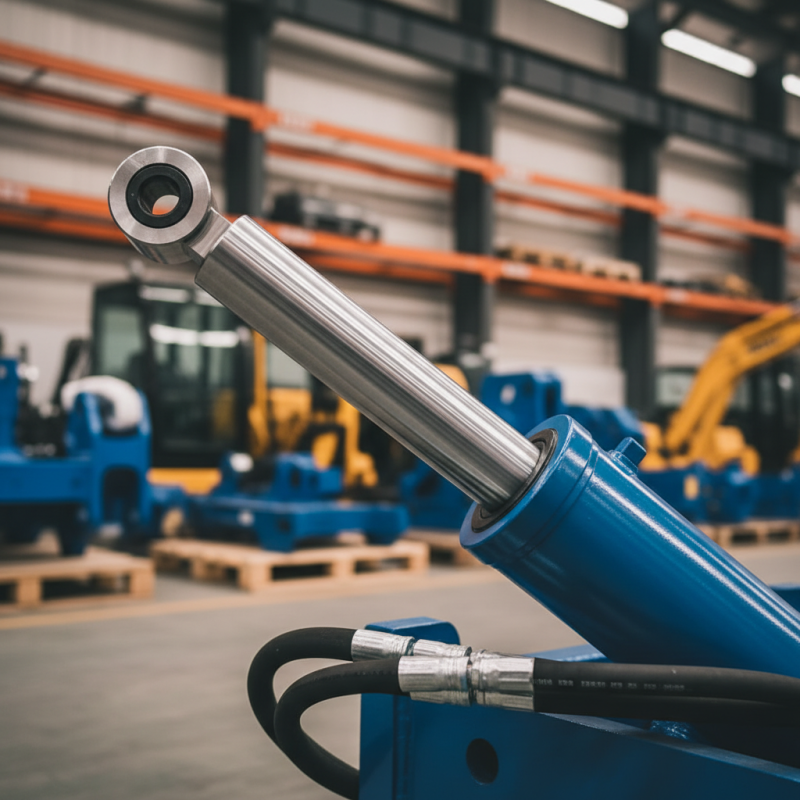
Mini excavators are essential tools for many construction projects. At the heart of their operation is the hydraulic boom cylinder. This component allows for smooth lifting and lowering of materials. Understanding how these cylinders work can help traders make informed buying decisions.
A mini excavator's hydraulic boom cylinder uses pressurized fluid to create movement. The cylinder is made up of key parts: the barrel, piston, and seals. Each part plays a vital role in maintaining performance. Over time, wear and tear can lead to leaks or reduced efficiency. Regular maintenance is crucial to prolonging the life of the cylinders.
Tips: Always check for signs of wear when inspecting hydraulic boom cylinders. Look for oil leaks around seals and fittings. Consider investing in quality seals and fluids to ensure optimal performance. Remember, even the best equipment requires upkeep. Keeping detailed maintenance records can help track any issues over time.
Key Specifications to Consider When Buying Boom Cylinders
When purchasing a hydraulic boom cylinder for mini excavators, understanding key specifications is essential. Start with the cylinder's bore and stroke dimensions. These figures determine the power and reach of the boom. A larger bore can provide greater lifting capacities, while an appropriate stroke length ensures effective vertical movement.
Material quality is another critical factor. Look for cylinders made from durable, high-strength materials that resist wear and corrosion. Attention to seals and fittings is vital, too. These components affect the cylinder's longevity and reliability in tough working conditions. Additionally, consider the mounting style. It should match your excavator's design to avoid installation issues.
Finally, keep in mind the compatibility with hydraulic systems. The pressure ratings must align with your machine's specifications. Leaving room for mismatches could lead to malfunctions. While researching, note that some specifications may seem overwhelming. Don't hesitate to consult experts. They can help clarify complex details and provide deeper insights into best practices. The right boom cylinder is critical for optimal machine performance and safety.
Top Manufacturers and Brands of Mini Excavator Boom Cylinders
When sourcing mini excavator boom cylinders, understanding key manufacturers is vital. The market offers a blend of established brands and emerging players, each with unique selling points. Many companies focus on reliability and innovation within their products. These elements can directly impact performance on job sites. Notably, experience in the field often informs a manufacturer's design choices. This expertise is crucial for traders seeking durable solutions.
Additionally, looking into customer reviews and industry ratings can provide insight into a brand's reputation. Traders should examine factors like warranty offerings and after-sales service. These details can reflect a manufacturer’s commitment to quality. A less recognized brand might offer competitive prices, but it often lacks the same level of support. The choice between price and reliability can be challenging.
Risk always lurks in the buying process. Some manufacturers may not fully disclose their production practices. This can lead to uncertainty about quality standards. Therefore, connecting with fellow traders for firsthand experiences can help navigate the complexities. Engaging in industry forums could also shed light on lesser-known brands that deliver value. This approach promotes informed decision-making in the often-overlooked world of mini excavator hydraulic components.
Tips for Sourcing Hydraulic Boom Cylinders in Global Markets
When sourcing hydraulic boom cylinders for mini excavators, consider local market dynamics. Each region has unique requirements and standards. Researching specific regulations and certifications is crucial. This knowledge ensures compliance and streamlines procurement. Networking with local manufacturers or traders can provide insights into their materials and production processes.
Quality varies widely among suppliers. It's essential to assess their credibility. Examine reviews, case studies, and testimonials. A reliable supplier should have industry experience. Ask for samples to evaluate workmanship firsthand. This step often reveals potential issues before ordering in bulk. Inspecting the materials used can highlight durability and performance.
Be mindful of logistics as well. Shipping costs can add significant expenses. Evaluate shipping times and reliability. Delays can disrupt project timelines. Contemplating these factors aids in making informed decisions. Continuous learning about market trends and technological advancements will enhance sourcing strategies, ensuring you find the best hydraulic boom cylinders for your needs.
Mini Excavator Hydraulic Boom Cylinder Market Analysis
This chart illustrates the market share of various types of mini excavator hydraulic boom cylinders based on their applications in global markets. The data reflects the demand across different sectors, highlighting where traders might focus their sourcing efforts.
Maintenance and Care for Hydraulic Boom Cylinders in Mini Excavators
Maintaining hydraulic boom cylinders in mini excavators is essential for optimal performance. These cylinders enable precise control of the boom's movement. According to industry reports, around 30% of hydraulic issues stem from poor maintenance practices. Regular inspections can identify early signs of wear and tear. The recommended maintenance frequency is every 200 operating hours or bi-annually, whichever comes first.
Proper lubrication is critical. Utilizing the correct hydraulic oil significantly extends cylinder life. Experts suggest that contamination is a leading cause of cylinder failure. Using a filter to prevent dirt and debris can enhance the system's longevity. Additionally, routine cleaning of seal areas can mitigate leaks. A simple visual check might reveal fluid accumulation, which signals potential failure.
Understanding operational limits is also important. Overextending the boom can lead to excessive pressure, damaging the cylinder. Data indicates that nearly 15% of operators exceed these limits during heavy tasks. Continuous training in safe operational practices improves equipment lifespan. It's crucial to challenge norms and invest time in learning better maintenance habits. Balancing usage with mindful care ensures hydraulic boom cylinders perform at their best.