Why is the Valve Ball Essential for Fluid Control Systems?
In fluid control systems, the importance of the valve ball cannot be overstated. Valve balls play a critical role in regulating flow rates. According to a report by Grand View Research, the global valve market is projected to reach over $80 billion by 2027, highlighting the need for efficient components like valve balls.
These components ensure precise control over various fluids, from water to complex chemicals. A well-designed valve ball can reduce leakage, improve safety, and enhance system performance. However, issues such as wear over time and material degradation can compromise efficiency.
The reliance on valve balls raises questions. Are we optimizing their potential? As technologies evolve, the need for better materials and designs becomes essential. Understanding and addressing these challenges can lead to improved fluid control solutions. More data and innovation are crucial for advancing this field.
The Role of Valve Balls in Fluid Control Systems
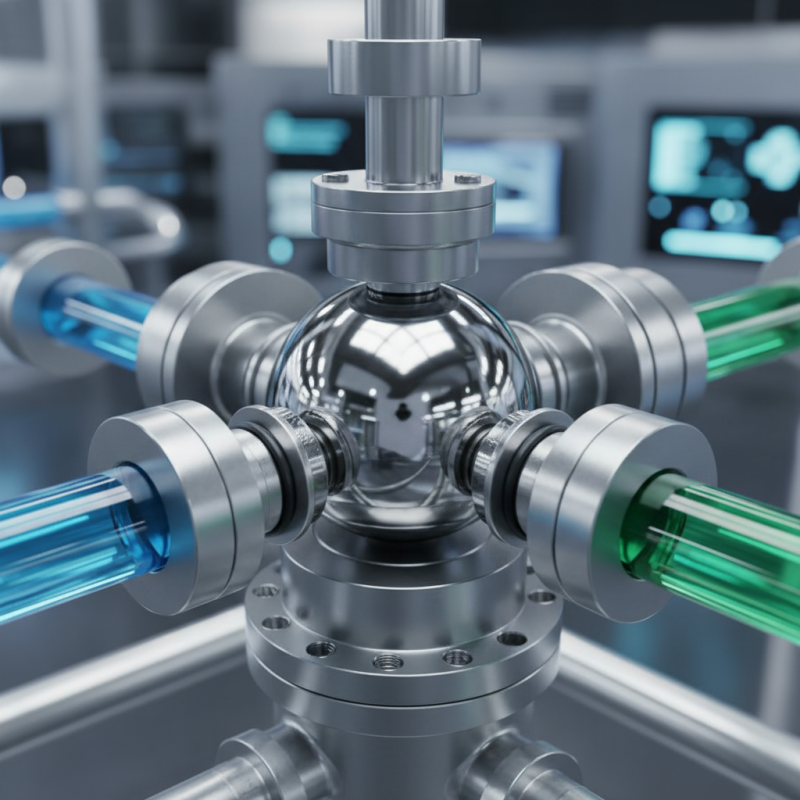
Valve balls play a crucial role in fluid control systems. These components regulate the flow of liquids and gases effectively. They are usually spherical, offering minimal resistance to flow. This design helps to maintain pressure and enhance system efficiency. When the valve ball spins, it opens or closes the flow path.
The material of the valve ball is important. Common materials include stainless steel and plastic. Each material has its strengths and weaknesses. For instance, stainless steel resists corrosion well but is heavy. Plastic is lighter, yet it might not withstand high temperatures. Choosing the right material is sometimes complex. It requires careful consideration of the fluid type and operating conditions.
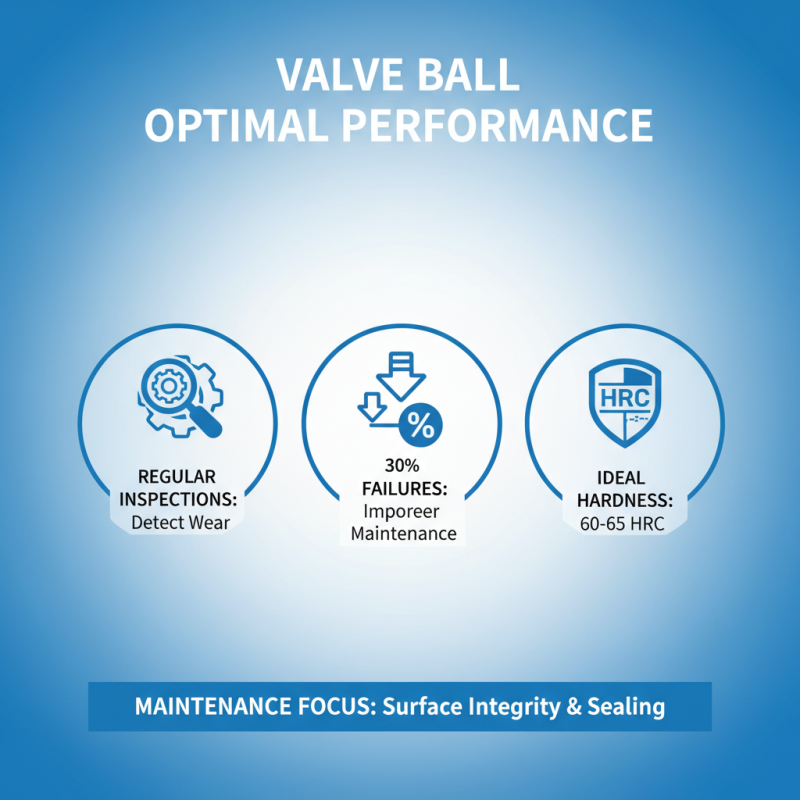
Proper sealing is vital for performance. A tight seal prevents leaks and ensures accurate flow control. Over time, wear can impact this seal. Regular maintenance becomes essential to prolong valve life. Ineffective maintenance can lead to unexpected failures. This highlights the need for continuous monitoring. Each of these factors contributes to the valve ball's importance in fluid control systems.
Why is the Valve Ball Essential for Fluid Control Systems? - The Role of Valve Balls in Fluid Control Systems
| Dimension |
Importance |
Material |
Applications |
| Size |
Critical for achieving desired flow rates. |
Stainless Steel |
Oil and Gas Industry |
| Roundness |
Ensures tight sealing and prevents leakage. |
Plastic (PTFE) |
Chemical Processing |
| Weight |
Impacts the operation speed of the valve. |
Brass |
Water Supply Systems |
| Surface Finish |
Affects durability and resistance to corrosion. |
Coated Carbon Steel |
HVAC Systems |
| Temperature Resistance |
Crucial for performance in extreme conditions. |
Ceramic |
Industrial Applications |
Understanding the Mechanism of Valve Balls
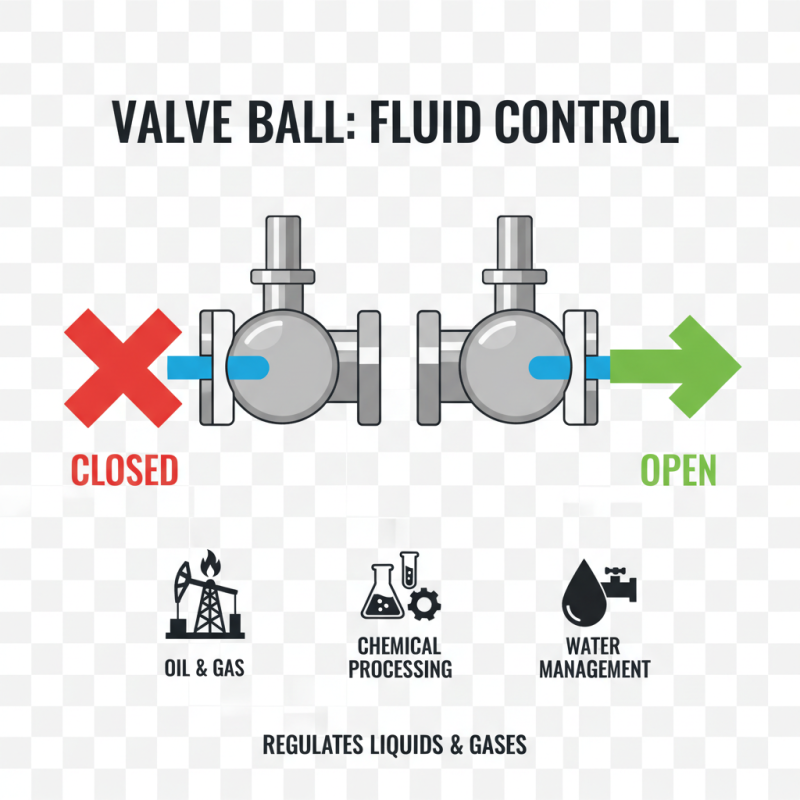
The valve ball plays a crucial role in fluid control systems. It acts as a barrier that regulates the flow of liquids and gases. The mechanism is simple yet effective. When the valve is closed, the ball sits snugly against the seat, preventing any flow. When opened, it rotates, allowing fluid to pass through. This swift action is vital in industries requiring precise control over fluid dynamics, such as oil and gas, chemical processing, and water management.
Data from industry reports indicate that valve balls can operate under extreme conditions. For instance, thermoplastic balls can withstand temperatures up to 200°C. Stainless steel varieties are effective under high-pressure scenarios, often exceeding 2000 psi. Yet, there can be challenges. Wear and tear over time can lead to leaks and failures. A study found that 25% of valve failures are due to ball seat erosion. Regular maintenance is essential but often overlooked. Over time, mechanical wear can also compromise efficiency.
Understanding the movement and material properties of valve balls is critical for performance. Various materials are then chosen for specific applications. This level of customization enhances operational efficiency. However, the right choice is not always made. Inadequate material selection can lead to unexpected failures. These failures emphasize the importance of ongoing education in the selection and maintenance of fluid control systems.
Types of Valve Balls and Their Applications
In fluid control systems, valve balls play a crucial role.
They are essential components that help regulate the flow of liquids and gases.
Different materials are used for valve balls, such as stainless steel, plastic, and ceramic.
Each type serves specific purposes based on the application's requirements.
Stainless steel valve balls are known for their durability. They are often used in high-pressure and temperature applications.
Plastic valve balls are lighter and resistant to corrosion. They are ideal for chemical processes, where fluid leakage could be hazardous.
Ceramic valve balls excel in abrasive environments, where wear resistance is crucial.
Tips: Always consider the fluid type when selecting a valve ball. This ensures compatibility and longevity.
Regular maintenance is vital. Inspect for wear and signs of damage to prevent failures.
Improper choices can lead to inefficient operations, which can be a learning opportunity.
These factors help highlight the importance of choosing the right valve ball for each specific application.
Importance of Material Selection for Valve Balls
Material selection for valve balls plays a crucial role in fluid control systems. Corrosion resistance is paramount. In many environments, fluids can be aggressive. A valve ball made from the right material can resist wear and increase longevity. For instance, stainless steel is commonly used, but it has its limits. It's essential to consider the specific conditions the valve will face.
Another critical factor is temperature tolerance. Some materials perform well at ambient temperatures. Others fail under extreme heat or cold. This can lead to leaks or even catastrophic failures. Polypropylene or ceramic might be suitable for some applications. But they also have drawbacks. Understanding these trade-offs is vital for effective design.
The choice of material affects performance and cost. Sometimes, budget constraints lead to compromises. A cheaper material may not last as long, resulting in higher replacement costs. This cycle can strain resources. Careful thought must be given to the long-term implications of material choices. Ensuring reliability and safety is non-negotiable.
Importance of Material Selection for Valve Balls in Fluid Control Systems