What is the Importance of Safety Shoes for Workers?
Safety Shoes play a crucial role in protecting workers across various industries. In the United States, over 100,000 injuries related to foot protection occur annually, according to the Bureau of Labor Statistics. These incidents often lead to significant downtime and treatment costs, highlighting the essential need for proper footwear. Safety shoes reduce the risk of injuries caused by heavy objects, slips, and electrical hazards, contributing to safer work environments.
Moreover, companies investing in safety shoes often see fewer workplace accidents. Research from the American Society of Safety Professionals indicates that providing adequate personal protective equipment can lower injury rates by up to 30%. This correlation emphasizes the importance of safety shoes not just for compliance, but also for enhancing overall productivity and morale among workers. Although many employers prioritize safety, some still overlook the impact of worn or inadequate footwear.
While safety shoes demonstrate clear benefits, challenges persist. Some workers may resist wearing them due to comfort issues or a lack of stylish options. This reluctance can undermine safety initiatives. It is essential for businesses to find solutions that encourage employees to adopt safety shoes wholeheartedly, ultimately leading to a culture of safety in the workplace.
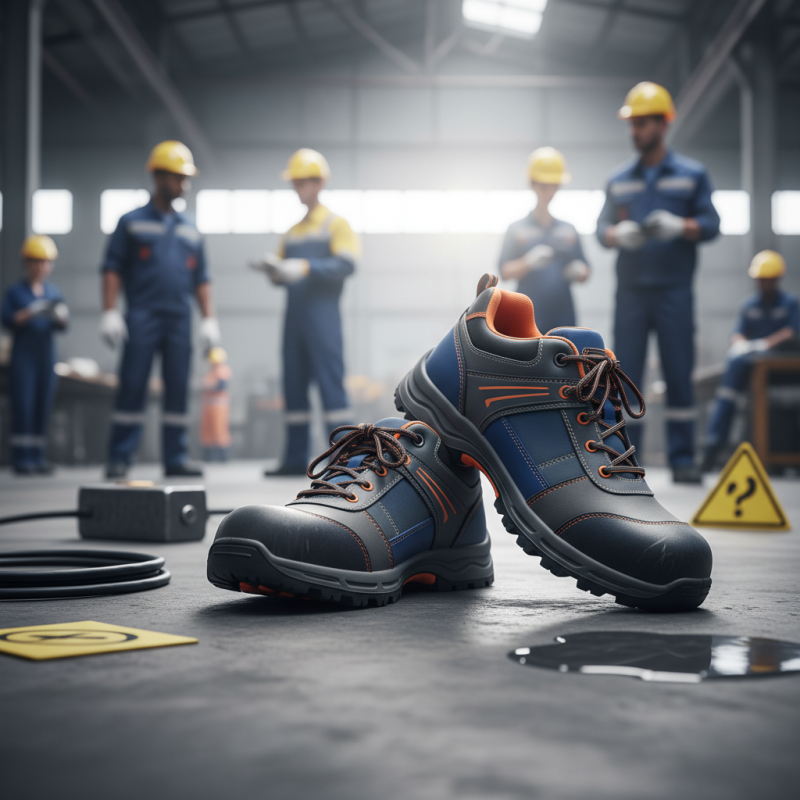
Importance of Safety Shoes in Preventing Workplace Injuries
Safety shoes play a critical role in preventing workplace injuries. According to the Occupational Safety and Health Administration (OSHA), over 100,000 foot injuries occur annually in the United States. These injuries can result in significant medical costs and lost workdays. Proper footwear can reduce these risks, providing essential protection against hazards like falling objects, sharp tools, and slips.
Reports show that 80% of workplace injuries can be avoided with the right safety footwear. Steel-toed boots, for example, can protect against crushing injuries. Slip-resistant soles help prevent falls. Workers in construction, manufacturing, and logistics are particularly vulnerable. Yet, some employers overlook this basic safety need. They may not provide adequate training on the importance of safety shoes.
Despite numerous studies, the adherence to safety shoe protocols remains inconsistent. Workers sometimes neglect to wear their safety shoes, increasing their injury risks. A survey found that 30% of workers reported discomfort as a reason for not wearing them. This suggests that while safety shoes are essential, comfort and fit are equally important. Improving these aspects could lead to better compliance and fewer injuries on the job.
Importance of Safety Shoes in Preventing Workplace Injuries
Statistics on Foot Injuries in Various Industries and the Role of Safety Shoes
Foot injuries are a significant concern across various industries. A report indicated that over 100,000 cases of foot injuries occur in the workplace annually. These injuries can lead to severe disabilities, impacting productivity and well-being. Construction, manufacturing, and warehousing are particularly high-risk sectors. In these fields, heavy objects can easily drop, causing serious harm to unprotected feet.
Safety shoes play a crucial role in preventing these injuries. They are designed with reinforced toes, slip-resistant soles, and sturdy materials. Each feature serves a distinct purpose, offering protection from punctures, chemicals, and electrical hazards. Yet, despite their importance, many workers neglect this essential gear. In 2019, nearly 80% of injured workers were not wearing proper footwear during incidents. This raises questions about training, awareness, and accountability in safety protocols.
The need for effective training is clear. Workers should be educated about the risks and the benefits of safety shoes. Many do not realize that proper footwear can reduce injury risk by up to 50%. Moreover, employers must ensure compliance with safety measures. Without proper enforcement, the best intentions to protect workers can fall short. Addressing these gaps could significantly lower foot injury rates while enhancing workplace safety.
Types of Safety Shoes and Their Specific Protective Features
Safety shoes are essential for protecting workers in various industries. There are different types designed to meet specific risks. Steel-toed shoes offer protection against heavy objects. They are ideal for construction sites. Likewise, slip-resistant shoes help prevent falls on wet surfaces. This feature is crucial in environments like kitchens and warehouses.
Some shoes come with puncture-resistant soles. These are especially important in factories where sharp objects abound. Electrical hazard shoes provide insulation from electrical shocks. Workers in electrical fields should consider these for safety. Moreover, waterproof shoes keep feet dry in wet conditions. Dry feet improve comfort and productivity.
While many safety shoes offer various features, not all fit every worker’s needs. It’s essential to evaluate the work environment before making a choice. Workers might find certain styles uncomfortable or unsuited for extended wear. Regularly reassessing footwear needs can improve overall safety. An informed choice can enhance worker protection and confidence on the job.
Regulatory Standards and Compliance for Safety Footwear in the Workplace
Safety footwear is crucial in many industries. Compliance with regulatory standards ensures a safer work environment. Organizations must understand specific requirements for safety shoes. In many regions, safety footwear must meet standards like ASTM or ISO. These regulations specify the protection level for workers based on their tasks.
Selecting the right safety shoes is not only about regulations. Each workplace has unique hazards. For example, construction sites may require steel-toed shoes. In contrast, a warehouse may need slip-resistant footwear. Employers should perform regular assessments of these needs. This evaluation often reveals gaps in current protection levels.
Training employees about safety footwear is essential. Many workers may underestimate the importance of proper footwear. They might think any sturdy shoe is sufficient. Raising awareness can lead to better compliance and safety. Reflection on past incidents shows room for improvement. Fostering a culture that prioritizes safety footwear can reduce workplace injuries significantly.
Benefits of Investing in High-Quality Safety Shoes for Workers' Long-Term Health
Safety shoes are crucial for workers across various industries. They provide essential protection against workplace hazards. According to the National Safety Council, properly fitted safety footwear can reduce foot injuries by up to 75% in work environments. This significant data shows that investing in high-quality safety shoes is vital for workers' long-term health.
When workers wear reliable safety footwear, they benefit from enhanced comfort and support. These shoes help reduce fatigue, especially during long shifts. A study by the American Journal of Industrial Medicine found that workers with proper footwear reported 25% less discomfort and fewer musculoskeletal issues. This translates into improved productivity and better overall well-being.
**Tips:** Choose safety shoes that fit well. A snug fit reduces the risk of blisters and injuries. Look for shoes with features like slip resistance and shock absorption. These qualities can mitigate risks associated with slips and falls. Regularly replace worn-out shoes to maintain effectiveness. This small investment can lead to a healthier workforce, impacting long-term company success.
What is the Importance of Safety Shoes for Workers? - Benefits of Investing in High-Quality Safety Shoes for Workers' Long-Term Health
| Benefit | Description | Impact on Health |
| Protection from Injuries | Safety shoes protect feet from heavy objects, sharp tools, and hazardous materials. | Reduces risk of fractures, cuts, and other serious injuries. |
| Enhanced Comfort | High-quality materials and ergonomic design provide comfort for long hours of work. | Minimizes foot fatigue and promotes overall well-being. |
| Slip Resistance | Special soles designed to provide grip on slippery surfaces. | Prevents slips and falls, reducing work-related accidents. |
| Durability | Built to withstand tough working conditions and last longer. | Cost-effective over time, reducing the need for frequent replacements. |
| Compliance with Safety Standards | Meets industry safety standards ensuring higher safety levels. | Helps avoid legal issues related to workplace safety violations. |
| Support for Ankle Stability | High-top designs offer additional support to the ankle. | Decreases the chances of twisting or spraining the ankle during work. |