2026 How to Choose the Best High Rise Scissor Lift?
Choosing the right High Rise Scissor Lift can significantly impact efficiency and safety in various industries. According to a report by the International Powered Access Federation (IPAF), the global market for aerial work platforms, including scissor lifts, is projected to grow by over 10% annually through 2026. This increase reflects the rising demand for safe working at height solutions.
John Smith, an industry expert and consultant with over 15 years of experience, emphasizes, “Selecting the right lift means considering both the application and the environment.” Factors such as platform height, weight capacity, and terrain type are crucial. Too often, users underestimate the importance of these details. Choosing a lift with inadequate specifications can lead to operational inefficiencies or accidents.
The variety of available models adds to the complexity. A thorough understanding of each type’s features is essential. Potential buyers should weigh their needs against the capabilities of different High Rise Scissor Lifts. Reflecting on these aspects can help identify the best equipment for specific tasks. Balancing performance with safety will ensure optimal results in your operations.
Understanding High Rise Scissor Lifts: An Overview
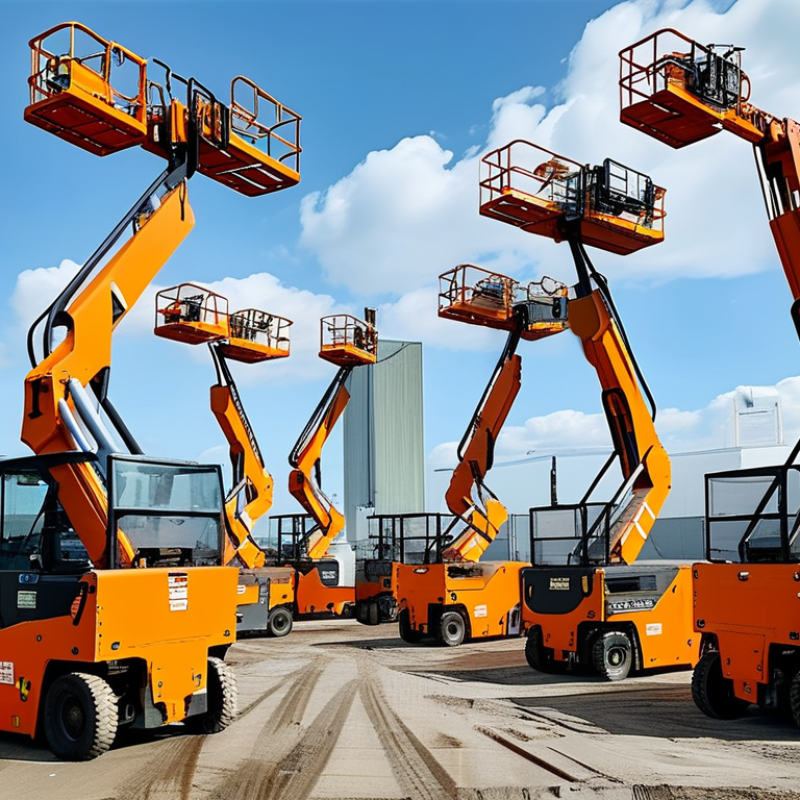
High rise scissor lifts are vital in construction and maintenance work. They provide elevated access to tall structures. These lifts are designed to safely raise workers and equipment, ensuring productivity and efficiency on the job. Understanding their mechanics is crucial.
High rise scissor lifts have various configurations. Their height, weight capacity, and platform size vary significantly. Operators must evaluate the workspace and load needs. Features like non-marking tires and advanced safety systems enhance reliability. Yet, the operator’s training and experience play an equally important role in effective usage.
Many factors can affect lift performance. Weather conditions can pose challenges. Ground stability is another concern that needs attention. Choosing an inappropriate model may lead to accidents or inefficient workflows. Careful consideration of these aspects can heavily influence project outcomes.
Key Features to Consider When Choosing a High Rise Scissor Lift
When choosing a high-rise scissor lift, it's essential to evaluate key features that impact both safety and efficiency. The lift's platform height should match your specific project needs. Consider models that offer a range of heights for flexibility on various job sites. Stability is crucial; a wider base often provides better support. Check the weight capacity as well — it should accommodate all tools and personnel involved.
Look into the power source of the lift. Electric models are quieter and suitable for indoor use, while diesel variants are more powerful for outdoor tasks. Don’t underestimate the importance of platform size. A spacious platform ensures there's enough room to move safely. Enhanced safety features, like emergency lowering systems and guardrails, are non-negotiable.
Lastly, think about the lift’s maneuverability. A compact design can fit into tighter spaces, giving more access to challenging areas. However, compact models may have limitations in height or weight capacity. Be aware that frequent maintenance is required to ensure sustained performance. This might add long-term costs. Reflecting on these features can significantly impact your investment and operational success.
Assessing Weight Capacity and Lift Height Requirements
When selecting a high rise scissor lift, assessing weight capacity and lift height is crucial. Understanding these specifications helps ensure safety and efficiency for any job. Different projects may require varying weight limits. Consider what equipment or personnel will be on the lift. Overloading a lift can lead to accidents.
**Tips:** Always check the manufacturer's weight limit before use. Conduct regular maintenance checks on the lift to avoid unexpected failures.
Lift height matters too. Analyze the maximum height needed for your tasks. Some jobs may require reaching difficult areas. Lifts that are too short can delay projects and increase costs.
**Tips:** Using a height calculator can aid in selecting the right lift. It's essential to review project plans and visualize the worksite. Don't ignore safety features like stabilizers and guards.
Evaluating Power Sources and Mobility Options
When selecting a high-rise scissor lift, evaluating power sources is critical. Electric lifts are popular for indoor use. They produce no emissions and are quieter. However, their battery life may limit operational hours. Having backup batteries available can be a smart move.
On the other hand, diesel or gas-powered lifts boast strong performance outdoors. They can lift heavier loads to greater heights, but with drawbacks. These machines are louder and emit fumes, potentially impacting air quality. Consider your working environment carefully before making a choice.
Mobility options play a vital role as well. Some scissor lifts have compact designs for tight spaces. Others are equipped with all-terrain capabilities. Reflect on your specific needs. If you work in varied environments, a versatile lift is essential. Ensure the chosen lift aligns with your operational demands and the safety requirements.
Safety Standards and Maintenance for High Rise Scissor Lifts
When choosing a high rise scissor lift, safety is paramount. Operators must understand the relevant safety standards. Compliance with regulations ensures a safer work environment. Regular training is vital for staff to recognize hazards. Simple mistakes can lead to serious accidents.
Maintenance is another critical factor. A well-maintained lift operates efficiently and safely. Regular inspections help identify potential issues early. This includes checking brakes, hydraulic systems, and tires. Neglecting maintenance can result in unexpected breakdowns. Operators should document all maintenance activities.
Safety gear is equally important. Hard hats, safety harnesses, and gloves should be worn at all times. While these measures seem standard, compliance can be inconsistent. Workers may skip this vital step, thinking it’s unnecessary. Proper planning and reminders can minimize such lapses. Stay vigilant and maintain a culture of safety for everyone involved.
2026 How to Choose the Best High Rise Scissor Lift? - Safety Standards and Maintenance for High Rise Scissor Lifts | Dimension | Specification | Safety Standard | Maintenance Tip |
| Platform Height | Up to 50 feet | ANSI A92.6 | Inspect all safety features before use |
| Load Capacity | Up to 1,000 lbs | OSHA Compliance | Regularly check hydraulic systems |
| Platform Size | 6 ft x 3 ft | ISO 16368 | Lubricate moving parts every month |
| Weight | 4,000 lbs | EN 280 | Check tires and brakes regularly |
| Drive Type | Electric / Diesel | CE Marking | Inspect battery conditions regularly for electric lifts |