2026 How to Choose the Right Gas Valves for Your Needs?
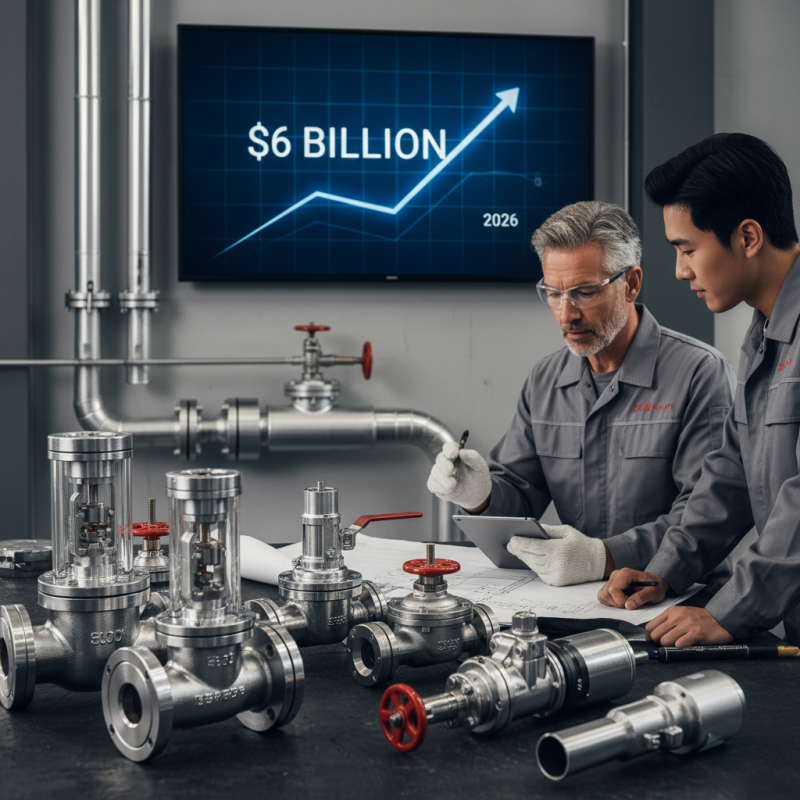
Choosing the right gas valves is crucial for safety and efficiency. The global gas valves market is projected to reach $6 billion by 2026, according to a recent industry report. With increasing demand for energy-efficient solutions, it's vital to select suitable gas valves for specific applications.
As industry expert John Smith states, "The right gas valves ensure operational safety and reduce unnecessary energy losses." His insights emphasize the need for understanding the various types of gas valves available. Selecting the wrong valve can lead to leaks or inefficient operation.
Manufacturers offer various options—regulating, shut-off, and control valves. Each serves a unique purpose and must align with your requirements. Some companies often overlook the specifications, which can result in costly mistakes. Understanding the nuances of gas valves is essential for making an informed decision in this rapidly evolving industry.
Understanding the Different Types of Gas Valves Available in the Market
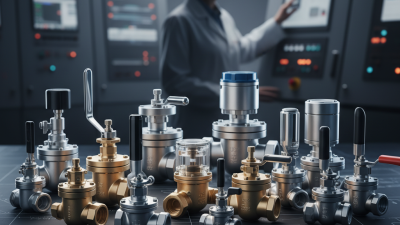
When choosing gas valves, understanding the various types available in the market is crucial. There are several main types, each serving distinct purposes. Ball valves are popular for their durability and quick operation. They have a spherical closure element, allowing for reliable flow control. Solenoid valves, on the other hand, are electrically operated. They are beneficial in automated systems where precise timing is essential.
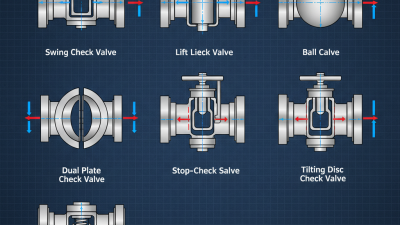
Another notable option is globe valves. These valves are great for throttling. They allow for smooth adjustments in flow, which might be necessary in certain applications. Check valves ensure fluid flows in one direction, preventing backflow. Each type offers unique benefits and drawbacks, making it vital to assess your specific needs carefully.
It's also wise to consider material compatibility. Different gases may react with valve materials differently. Some options may become corroded or damaged over time. Reflecting on these details can help prevent costly mistakes. Knowing which valve suits your system involves more than just selections; it requires thoughtful consideration of your unique circumstances and potential challenges.
Gas Valves Types and Usage in the Market
Key Factors to Consider When Choosing Gas Valves for Your Application
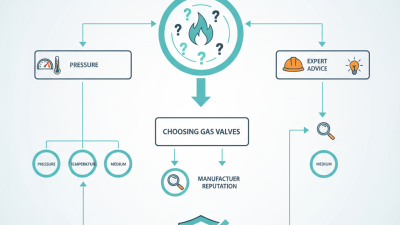
Choosing the right gas valves for your application requires careful consideration of several key factors. It’s vital to understand the type of gas you’ll use. Different gases require specific valve materials. For example, corrosive gases may need valves made from stainless steel or special alloys. A mismatch can lead to failures, which could be dangerous.
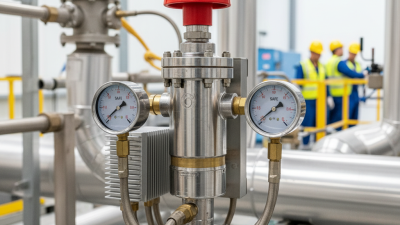
The valve’s pressure rating is also crucial. Ensure that it matches or exceeds the pressure of your system. If it’s too low, the valve may fail. Additionally, consider the temperature range. Some valves perform poorly in extreme heat or cold. This can impact the efficiency of your system.
**Tips:** Always check the sizing. An oversize valve won’t control flow effectively. An undersized valve can choke the system. Regular maintenance is essential. Inspect valves frequently to avoid unexpected failures. A proactive approach is better than dealing with a crisis.
Another key factor is the valve’s operation method: manual, electric, or pneumatic. Electric valves offer precision but may require more complex systems. Manual valves are simpler but can be labor-intensive. Choose based on your specific needs and technical capabilities. Don’t overlook the long-term costs, including energy usage and maintenance.
Comparing Pricing and Warranty Options for Gas Valves
When selecting gas valves, pricing and warranty options are crucial factors. Industry reports indicate that the price of gas valves can vary significantly. A basic valve may cost around $50, while advanced models can exceed $300. This discrepancy usually reflects the quality, materials, and technology used. Buyers often overlook that a lower price might lead to higher long-term costs due to frequent replacements.
Warranties are another essential aspect. Many manufacturers offer warranties ranging from one to five years. However, some reports suggest that over 30% of consumers don't fully understand warranty terms. A warranty can save you money if your valve fails, but it often requires careful reading. Customers should compare the coverage offered. Is it for parts only? Or does it include labor? Such details might mean the difference between a great choice and a regrettable one.
Ultimately, balancing price and warranty is no easy task. Some might rush to the cheapest option, only to face issues later. Pricing may be tempting, but understanding a warranty's depth is even more valuable. Evaluating both elements reflects a broader insight into your needs and potential pitfalls in the selection process. Take the time to analyze. It pays off in the long run.
2026 How to Choose the Right Gas Valves for Your Needs? - Comparing Pricing and Warranty Options for Gas Valves
| Valve Type |
Price (USD) |
Warranty Period |
Material |
Flow Rate (CFM) |
| Ball Valve |
$25 |
5 years |
Brass |
50 |
| Gate Valve |
35 |
3 years |
Stainless Steel |
60 |
| Check Valve |
30 |
2 years |
Plastic |
20 |
| Globe Valve |
45 |
4 years |
Bronze |
30 |
| Pressure Relief Valve |
100 |
1 year |
Aluminum |
100 |
Installation and Maintenance Tips for Optimal Gas Valve Performance
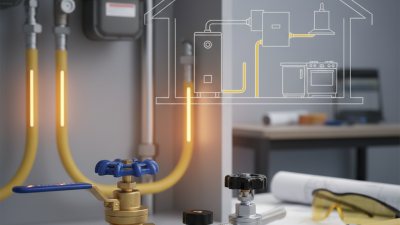
When it comes to gas valves, proper installation is essential. Ensure that you follow the manufacturer's guidelines closely. A secure connection is vital. Use the right tools to avoid damaging the valves during installation. This step can often be overlooked. Inadequate tightening can lead to leaks.
For maintenance, regular inspections help ensure optimal performance. Check for any signs of wear and tear. Look for rust, corrosion, or other damage. Be vigilant about your gas valves. Replacing worn components promptly can prevent larger issues. Cleaning the valves can also enhance their lifespan.
Consider your environment when selecting gas valves. Humidity and temperature can affect valve integrity. A poorly chosen valve may lead to inefficiencies. Pay attention to your specific needs. Reflect on past experiences with gas valves to make better decisions in the future. Test your installations regularly. It’s an ongoing commitment that pays off.