2026 How to Choose Injection Blow Molded Lightweight Coolers?
In the ever-evolving world of outdoor products, "Injection / Blow Molded Lightweight Coolers" have become a staple for adventurers. According to industry expert David Reynolds, "Quality hinges on the materials and design of the cooler." Understanding these aspects is vital for making informed choices.
These coolers provide excellent insulation and durability, essential for long trips. Many options exist, but not all perform equally. Buyers often overlook crucial features like weight, carrying capacity, and temperature retention. Each detail impacts usability and satisfaction.
While many coolers boast impressive marketing claims, real-world performance can vary greatly. It’s essential to ask tough questions and seek genuine reviews. This way, you can avoid common pitfalls and choose the best cooler for your needs. Shifting through the choices can feel overwhelming, but with the right information, you can navigate the market with confidence.
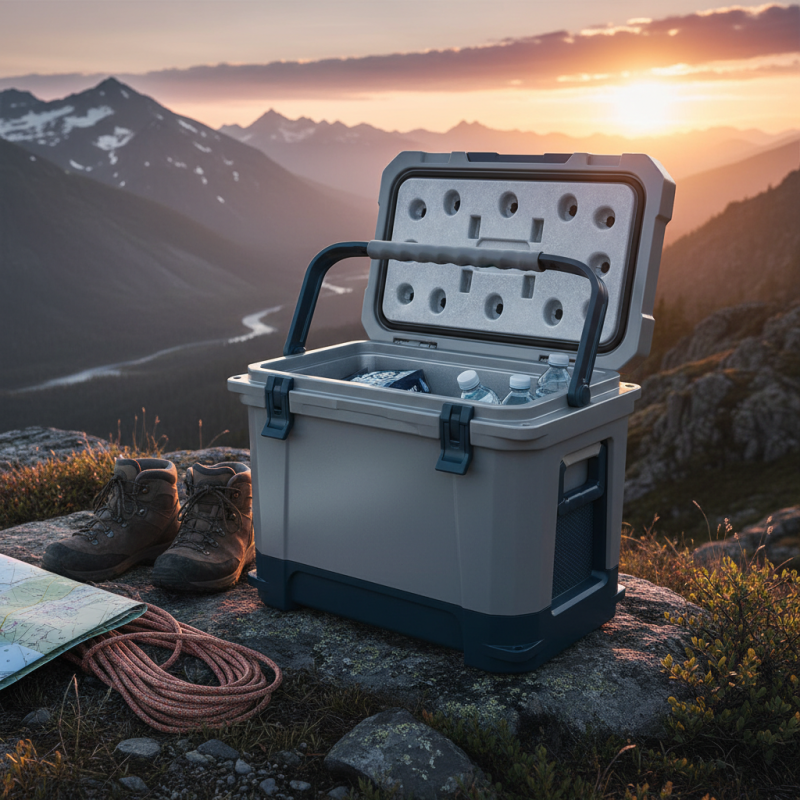
Factors to Consider When Choosing Injection Blow Molded Lightweight Coolers
When selecting injection blow molded lightweight coolers, several key factors come into play. Material choice is critical. High-density polyethylene (HDPE) and polypropylene (PP) are commonly used due to their strength and resistance to temperature shifts. Reports indicate that coolers made from HDPE can retain ice for up to five days, while those made from PP often weigh about 30% less. This weight differentiation can be a game-changer for users who prioritize mobility.
Another important aspect is design and insulation. Multi-layer designs with air gaps significantly enhance thermal performance. A well-crafted cooler can keep beverages cold for extended periods, which is crucial for outdoor enthusiasts. However, it's important to note that some models may not provide adequate insulation if improperly engineered. Users should seek reviews and performance tests for better insights, since not all products meet their claims.
Durability is equally vital. Many coolers face harsh environments, so evaluating their impact resistance and weatherproofing is necessary. Research shows that the average lifespan of a cooler ranges between 5 to 10 years, but this can vary widely based on usage and care. Some coolers may show wear after just a year under heavy use. Being aware of these variables can help buyers make informed choices that lead to satisfactory long-term use.
2026 How to Choose Injection Blow Molded Lightweight Coolers? - Factors to Consider When Choosing Injection Blow Molded Lightweight Coolers
| Feature | Importance | Considerations |
| Material Quality | High | Look for BPA-free, durable plastics |
| Insulation Efficiency | Critical | Consider thickness and type of insulation |
| Weight | Medium | Check for lightweight designs for easy transport |
| Capacity | Important | Choose sizes that fit intended use |
| Portability Features | Helpful | Look for handles, wheels, and lightweight designs |
| Price | Moderate | Balance quality with budget constraints |
Material Properties of Injection Blow Molded Coolers: A Comparative Analysis
When considering the material properties of injection blow molded coolers, several factors come into play. The choice of material directly impacts durability and insulation performance. Common materials include polyethylene and polypropylene. These materials are lightweight yet sturdy, providing excellent thermal insulation. They resist impact and maintain structural integrity over time.
Tips: Look for coolers with UV-resistant coatings. They can extend the lifespan of the cooler by preventing sun damage.
Another consideration is the manufacturing process itself. Injection blow molding creates a seamless cooler design. This prevents leaks and simplifies cleaning. The uniform thickness ensures even insulation, which is crucial for keeping contents cold.
Tips: Evaluate the weight-to-insulation ratio. A lightweight cooler that maintains effective insulation can enhance your outdoor experience.
While the initial investment in quality materials can be higher, the long-term advantages are clear. Think about how often you use your cooler. High-quality coolers often pay off through years of reliable use.
Weight vs. Insulation Efficiency in Lightweight Coolers: Industry Insights
When choosing lightweight coolers, the balance between weight and insulation efficiency is crucial. Many assume that lighter coolers mean less insulation. This isn’t always true. Modern materials provide excellent insulation while keeping the weight low. Some coolers maintain ice for several days without becoming overly heavy. This innovation is vital for outdoor enthusiasts and picnics.
Understanding insulation efficiency involves looking at the cooler’s design. Quality thickness and material enhance heat retention. Users should consider how long they need cold storage. A camping trip may require different insulation than a day at the beach. Sometimes, we overlook the fine details in choosing the right cooler. A slight increase in weight might offer double the insulation performance. It’s worth reflecting on individual needs versus general trends.
Cooler testing often reveals surprising results. Some lightweight options outperform heavier competitors in insulation. However, not all lightweight coolers meet high standards. Shoppers should examine reviews and data diligently. Relying on a cooler that seems light and efficient could lead to disappointment. Each cooler's design impacts real-world performance. Ensuring that a cooler fits personal usage while providing sufficient insulation is key to a satisfying choice.
Cost-Effectiveness of Injection Blow Molded Coolers in Different Applications
Injection blow molded coolers are gaining popularity due to their cost-effectiveness in various applications. These coolers are lightweight, making them easy to transport and handle. Their durability can keep food and beverages cold for extended periods. However, the effectiveness can vary depending on the design and materials used. When selecting a cooler, consider how well it insulates and retains temperature.
The cost-effectiveness of injection blow molded coolers stands out in different scenarios. For outdoor activities, their resilience to weathering is crucial. Buyers often find lower prices without compromising quality. However, some models may not perform as expected in extreme conditions. A cooler should meet specific needs, whether for a picnic, camping, or professional use.
Feedback from users often highlights varying experiences. Some find the lightweight design beneficial, while others worry about sturdiness. It’s essential to remember that while these coolers provide excellent value, occasional performance issues may arise. Evaluating customer reviews can enhance the decision-making process, ensuring the right cooler is chosen for its intended purpose.
Sustainability and Environmental Impact of Lightweight Cooler Manufacturing
Lightweight coolers have gained popularity due to their portability and convenience. However, the environmental impact of their manufacturing cannot be overlooked. The production of injection blow molded coolers involves significant energy consumption, contributing to carbon emissions. Reports indicate that plastics are responsible for about 3.8% of global greenhouse gas emissions, raising concerns about sustainability.
Using recyclable materials can mitigate some environmental effects. Many manufacturers are exploring bioplastics and recycled resins. Data shows that using recycled materials can reduce energy usage in production by up to 30%. This shift not only benefits the environment but can also attract eco-conscious consumers seeking sustainable options.
The overall lifecycle of coolers also matters. From production to disposal, reducing waste is critical. Lightweight coolers often have a shorter lifespan if not designed for durability. This creates a dilemma—how to balance lightweight convenience and environmental responsibility. Industry leaders are challenged to innovate while prioritizing sustainability without compromising product performance. Addressing this complex issue requires comprehensive solutions and ongoing industry commitment.
Sustainability and Environmental Impact of Lightweight Cooler Manufacturing