2026 How to Choose the Best Stainless Steel Bar Grating for Your Project?
When embarking on a project that requires a durable and reliable flooring solution, choosing the right Stainless Steel Bar Grating is crucial. This type of grating offers exceptional strength and corrosion resistance. However, selecting the ideal product can be challenging due to the various options available. Factors like load capacity, spacing, and surface finish can significantly affect your choice.
Understanding your specific needs is vital. For instance, consider the environment where the grating will be used. Will it be exposed to harsh chemicals or heavy foot traffic? Additionally, the width and thickness of the grating bars can influence safety and performance. A well-informed selection ensures longevity and reduces maintenance costs.
Quality should always be a priority. Not all manufacturers adhere to the same standards, which can lead to inconsistencies. Investing time in research and consulting with experts can help you navigate these complexities. Reflecting on your choices can lead to better outcomes and enhance project success.
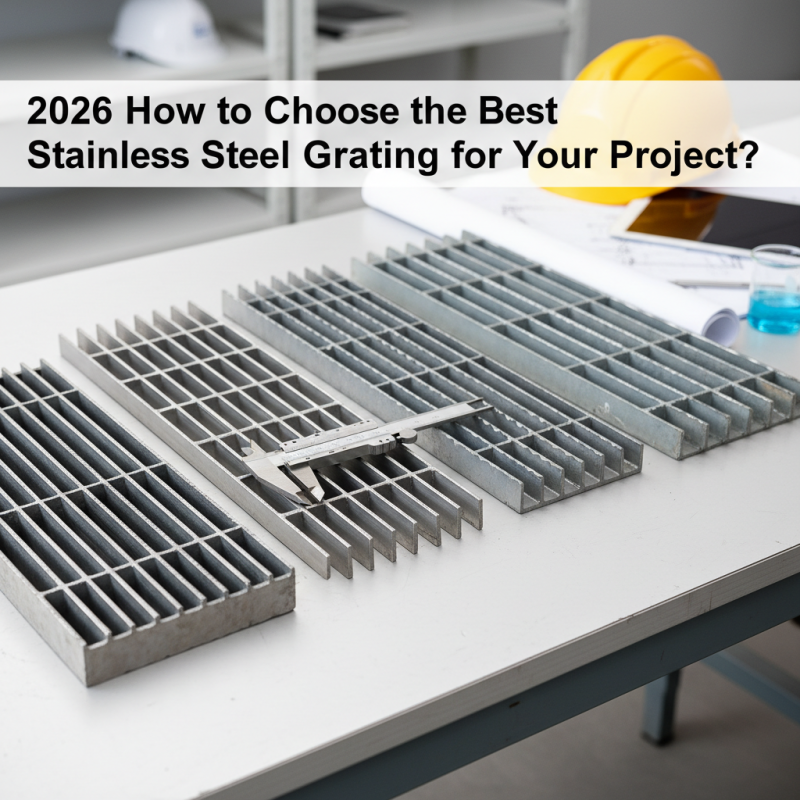
Understanding Stainless Steel Bar Grating: Types and Applications
Stainless steel bar grating is vital for many industrial applications. Its strength and durability make it a go-to choice for flooring, platforms, and walkways. There are various types of stainless steel bar grating, such as welded, molded, and pressure-locked. Each type has specific applications and advantages based on strength and load requirements.
Welded stainless steel grating offers high strength and stability. It's often used in areas with heavy foot or vehicular traffic.
Molded grating, on the other hand, is lightweight and provides excellent drainage. It’s commonly seen in wastewater treatment facilities or chemical processing plants.
Pressure-locked grating delivers high shear strength, making it suitable for high-impact applications.
While selecting the right type, consider factors like
load capacity and
environmental conditions. Corrosive environments may require specialized materials, while high-traffic spots might need enhanced strength. It’s also crucial to remember
installation methods and maintenance. Sometimes, projects require adjustments to accommodate unexpected challenges. Understanding these factors can guide better decision-making in your project.
Key Factors to Consider When Choosing Stainless Steel Bar Grating
When selecting stainless steel bar grating, several key factors come into play. First, consider the application. Will it be used in an industrial, commercial, or residential setting? Each environment requires different specifications. The load-bearing capacity is vital. It must withstand the weight without bending or breaking. Evaluate the thickness of the bars as it directly affects durability and strength.
Next, think about the material grade. Stainless steel comes in different grades, impacting corrosion resistance and cost. Choosing a higher-grade steel often means higher durability. Surface finish is also important. A smooth finish can enhance safety by reducing slip risks. However, it might require more maintenance.
Lastly, keep your project's unique needs in mind. Is aesthetics important? You might want a grating that complements the surrounding decor. Sometimes, standard options do not meet specific requirements. Custom grating could be a solution, albeit at a higher cost. Take the time to weigh all these factors carefully; it’s essential for your project's success.
2026 How to Choose the Best Stainless Steel Bar Grating for Your Project?
| Factor | Description | Importance |
| Material Type | Stainless steel grades (e.g., 304, 316) offer different levels of corrosion resistance. | High |
| Load Capacity | Depends on the spacing and thickness of bars; crucial for safety. | Critical |
| Bar Spacing | Refers to the distance between bars, affecting drainage and weight support. | Moderate |
| Finish Type | Options include mill finish, painted, or galvanized, impacting aesthetics and longevity. | Moderate |
| Installation Method | Different grating types may require specific mounting or installation techniques. | High |
| Environment | Consider exposure to chemicals, weather elements, and foot traffic conditions. | High |
Assessing Load Bearing Capacity for Your Project Needs
When selecting stainless steel bar grating, assessing load-bearing capacity is crucial. Every project has unique demands. The structure's weight, the type of traffic, and environmental factors should influence your choice. Understanding these variables helps ensure safety and longevity.
Different applications require different load ratings. For instance, pedestrian walkways may need lower ratings compared to industrial settings. The grating must withstand the daily stresses while minimizing failures. Inadequate load capacity can lead to costly repairs and safety hazards.
Consider the material composition as well. Stainless steel comes in various grades, which impact strength and corrosion resistance. It's essential to match the material's properties with your project's specific conditions. Regular maintenance is necessary to identify wear and prevent serious issues. An informed decision goes beyond aesthetics; it shapes the project's overall success.
Evaluating Corrosion Resistance and Material Quality
Choosing the right stainless steel bar grating for your project requires careful consideration of corrosion resistance and material quality. Corrosion resistance is crucial, especially in outdoor settings or humid environments. Stainless steel grades vary significantly in their resistance to corrosion. For instance, 304 stainless steel is commonly used, but it may not perform well in coastal areas. Higher-grade options, such as 316 stainless steel, offer enhanced protection against chlorides, making them ideal for marine applications.
Material quality greatly impacts the longevity and durability of the bar grating. When evaluating options, check the manufacturing standards. Look for products that comply with ASTM specifications. Quality controls during production ensure uniformity and strength. Additionally, examine the finish; a smooth surface can reduce debris accumulation and enhance cleanliness.
Tips: Always consider your environment and choose accordingly. Conduct regular inspections to catch signs of wear. A maintenance plan can greatly prolong the lifespan of your grating. Remember, even the best materials can fail if not properly cared for. Reflect on your specific needs, as each project will present unique challenges.
Installation Standards and Maintenance Tips for Durability
When considering stainless steel bar grating, installation standards are crucial. Proper installation ensures durability and safety. According to industry reports, improper installation can reduce lifespan by up to 30%. The American National Standards Institute (ANSI) provides guidelines for load capacity and spacing. These standards help in selecting the right type for specific applications.
Regular maintenance is essential for long-lasting performance. Cleaning the grating helps prevent buildup of debris and corrosion. If neglected, this can lead to failure. A study indicated that 40% of grating failures stemmed from inadequate maintenance practices. Inspecting for signs of wear and tear should become routine. Addressing minor issues early can extend the life of the grating significantly.
Water drainage is another critical factor.
Ensuring proper drainage helps maintain integrity over time. Stainless steel is resistant to rust, but pooling water can create problems. Expanding your knowledge in this area might reveal overlooked aspects. Reflecting on your maintenance approaches can lead to improvements. Regularly reviewing these procedures is vital for project success.