What is Geo Geocell and How Does It Benefit Your Projects?
Geo Geocell technology is transforming construction and civil engineering projects. As an innovative solution, it enhances ground stability and mitigates erosion. According to a recent market report from ResearchAndMarkets, the global geocell market is projected to grow by 12% annually, reflecting increased adoption in various sectors.
Industry expert Dr. Alex Thompson emphasizes the impact of Geo Geocell on sustainable development. He states, "Geo Geocell not only strengthens the soil but also offers eco-friendly solutions for infrastructure challenges." This highlights the dual benefits of structural integrity and environmental care.
However, challenges persist in the integration of Geo Geocell into existing systems. Understanding specific project requirements and local conditions is crucial. Despite its advantages, a tailored approach is necessary to maximize its potential. The ongoing advancements in Geo Geocell technology underscore the importance of credibility and expertise in ensuring successful project outcomes.
What is Geo Geocell and Its Definition in Civil Engineering
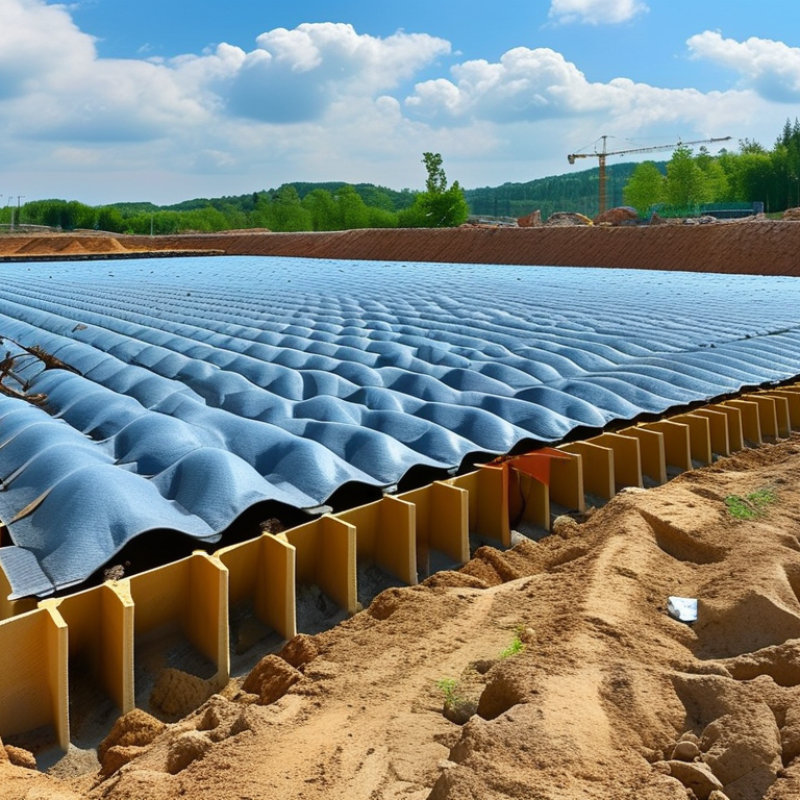
Geo Geocell is an innovative solution in civil engineering. It consists of a three-dimensional, honeycomb-like structure, made typically from high-density polyethylene. This design allows it to retain and stabilize soil, making it an effective tool for various construction and landscaping projects. According to a recent report from the International Journal of Geoengineering, projects utilizing Geo Geocell showed a 30% improvement in load distribution compared to traditional methods.
The applications of Geo Geocell are broad. It is used for erosion control, stabilization of soft soils, and slope protection. In many projects, this technology reduces the extent of excavation, minimizing environmental impact. A study by the American Society of Civil Engineers highlighted that using geocells can decrease material costs by up to 20%.
However, not all applications may yield the expected results. Some projects face challenges related to installation techniques and soil conditions. Proper evaluation of the site is essential. Without it, the benefits of Geo Geocell may not be fully realized. It’s vital for engineers to conduct thorough assessments to avoid failures in the long run.
The Mechanism of Geo Geocell: Structure and Functionality Explained
Geo Geocell is a versatile solution for various construction and landscaping projects. Its structure consists of interconnected cells made from polymer materials. This design provides strength and stability, making it ideal for supporting soil or aggregate materials. When used in ground stabilization, the cells confine the fill material, reducing lateral movement. This creates a more resilient base for roads, retaining walls, and other structures.
The functionality of Geo Geocell extends beyond mere support. It effectively manages water runoff, enhancing drainage systems. With adjustable cell depth and configuration, it adapts to different project needs. Some may find it difficult to install without professional guidance. Installation requires careful planning and may not be intuitive for everyone. Users should consider these factors to maximize effectiveness.
Additionally, prolonged exposure to harsh environmental conditions can impact durability. Maintenance is essential to prevent degradation over time. Contractors must weigh the pros and cons to ensure the best outcomes. Using Geo Geocell can lead to improved project efficiency if carefully implemented. Nonetheless, understanding its limitations is key to success.
Key Benefits of Geo Geocell in Soil Stabilization Projects
Geo Geocell is transforming soil stabilization projects significantly. This cellular confinement system enhances the structural integrity of soil. It is especially useful in areas with weak or loose soils. Research shows that using Geo Geocell can improve load distribution by up to 50%. This enhancement reduces settlement and increases durability.
In projects where stabilization is crucial, Geo Geocell offers versatile solutions. For instance, it aids in road construction, preventing failures in subgrades. According to the Federal Highway Administration, ineffective soil management can increase road maintenance costs by up to 30%. Implementing Geo Geocell diminishes this risk, providing cost savings and improved performance.
However, there are challenges. Proper installation techniques are essential for realizing its benefits. If incorrectly placed, the system may fail to provide the intended support. An analysis from the National Academy of Sciences highlights the need for rigorous training in installation practices. Thus, while Geo Geocell presents numerous advantages, attention to detail is critical for effective application.
Benefits of Geo Geocell in Soil Stabilization Projects
Industry Applications: Where and How Geo Geocell is Utilized
Geo Geocell has become a vital tool across various industries, significantly enhancing project efficiency and effectiveness. These cellular confinement systems provide superior stabilization and resistance against lateral movement in soil applications. For example, in the road construction sector, the use of geo geocells can reduce the amount of fill material needed by up to 50% while improving load-bearing capacity, according to a study from the American Society of Civil Engineers.
In the realm of environmental protection, geo geocells are employed for slope stabilization and erosion control. They can safeguard susceptible areas from severe weather impacts. Research highlights that using geo geocells, particularly filled with vegetation and soil, can reduce erosion rates by as much as 70% in some scenarios. Such application not only preserves the landscape but also supports sustainable development.
In urban planning, geo geocells help manage stormwater runoff. They can be integrated into permeable pavement systems, ensuring water is effectively absorbed. This significantly reduces the risk of flooding in highly developed areas.
Despite these benefits, challenges remain. Some projects may underestimate installation costs, creating budget issues. It's essential for professionals to evaluate the total lifecycle cost of geo geocells accurately, considering both initial investment and long-term efficiency. Careful consideration could lead to more successful project outcomes.
What is Geo Geocell and How Does It Benefit Your Projects? | Application Area | Benefits | Material Used | Typical Use Case |
| Road Construction | Increases load distribution and prevents pavement cracking | High-density polyethylene (HDPE) | Reinforcement of subgrade layers |
| Slope Stabilization | Reduces soil erosion and stabilizes slopes | Geosynthetics and soil | Landscaping and highway projects |
| Flood Control | Enhances the strength of levees and barriers | Reinforced polymers | Stormwater management systems |
| Ground Stabilization | Improves bearing capacity of weak soils | Inert materials and foam | Construction of foundations for buildings |
| Railway Applications | Enhances track stability and safety | Geocell systems | Railroad bed reinforcement |
Quantitative Impact: Cost Savings and Efficiency Metrics of Geo Geocell Usage
Geo Geocell technology is transforming project management in various industries. It enhances ground stability and load distribution. This innovation significantly reduces project costs and increases efficiency. By preventing soil erosion, it minimizes the need for additional materials. Additionally, it supports heavy loads with less base material, leading to fewer resources consumed.
Quantifying the benefits of Geo Geocell usage reveals impressive metrics. Projects have reported cost savings up to 30% when using these structures. Labor costs also decrease, as installation is often faster and more straightforward. Time efficiency is visible, too; many projects see a reduction in completion time by 20% or more. This translates into a quicker return on investment for stakeholders.
However, not all projects achieve these results. The location and soil type can impact effectiveness. Proper assessment is crucial before implementation. Miscalculations may lead to undesired outcomes like inadequate load support. Continuous monitoring and adaptation ensure optimal performance. Understanding the limitations of Geo Geocell is essential for maximizing its potential in project applications.