Why is a Gas Safety Valve Essential for Your Home Safety?
Ensuring safety in our homes is crucial, especially regarding gas usage. A gas safety valve plays a pivotal role in this. According to John Smith, an industry expert in gas safety, "A reliable gas safety valve is the first line of defense against gas leaks." This makes it essential for every household.
A gas safety valve prevents the unwanted flow of gas, reducing the risk of dangerous leaks. When functioning correctly, it helps maintain a safe environment. Yet, too many homeowners overlook this crucial component. Regular checks on gas safety valves can prevent disasters. Simple maintenance can save lives.
Considering the importance of a gas safety valve, awareness is key. Many people assume that their existing systems are sufficient. This assumption can lead to tragic outcomes. The reality is that neglecting gas safety can have severe consequences. Evaluating the condition of these valves should be a priority for anyone using gas in their homes.
Importance of Gas Safety Valves in Home Safety Measures
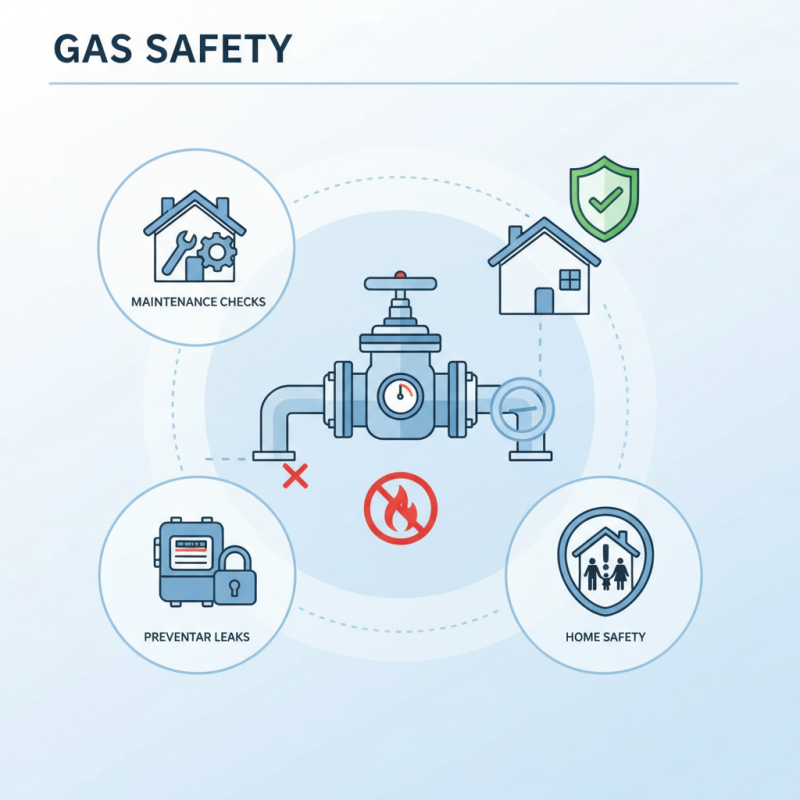
Gas safety valves play a crucial role in ensuring home safety. These valves automatically shut off gas flow in dangerous situations, protecting your family from potential hazards. The National Fire Protection Association reports that gas-related incidents account for 12% of home fires. This statistic highlights the importance of proper gas management systems, including safety valves, in reducing risks.
In homes, gas leaks can lead to explosions or carbon monoxide poisoning. A study by the American Gas Association indicates that gas leaks result in thousands of injuries annually. Installing a reliable gas safety valve can significantly mitigate these risks. Regular maintenance and inspection of these valves are vital. Some homeowners neglect this, which can lead to serious issues. The failure to maintain safety equipment can result in emergency situations that may have been preventable.
Awareness of gas safety is essential for every homeowner. While many believe they have safe systems in place, neglect can lead to catastrophic results. Using a gas safety valve is not just a precaution; it's a necessary investment in your family's safety. Dismissing the importance of these devices can have lasting consequences. Implementing regular checks can help ensure your home remains a safe environment.
How Gas Safety Valves Function to Prevent Accidents
Gas safety valves play a critical role in ensuring home safety. These devices prevent gas leaks and potential explosions by restricting gas flow during emergencies. According to a report from the National Fire Protection Association (NFPA), gas fires account for about 15% of all residential fire incidents. Installing a safety valve can significantly reduce this risk.
When too much pressure builds in a gas line, safety valves respond by closing off the flow. A study from the American Gas Association highlights that homes equipped with safety valves experience 30% fewer gas-related incidents. Regular maintenance checks are crucial, as wear and tear can impair their function. Homeowners must remain vigilant, as faulty valves may lead to hazardous situations.
Inadequate knowledge about gas safety can lead to complacency. Many people underestimate the importance of these valves. When accidents occur, the consequences are dire. The Center for Disease Control and Prevention (CDC) reported that nearly 500 people die each year from carbon monoxide poisoning related to faulty gas systems. Prioritizing gas safety valves in home infrastructure is essential for preventing such tragedies.
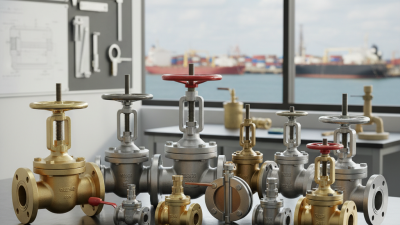
Types of Gas Safety Valves and Their Applications
Gas safety valves are crucial for preventing hazards in homes. There are various types, each serving specific purposes. Understanding their functions can enhance your safety.
One common type is the automatic shut-off valve. This valve automatically stops gas flow if a leak is detected. It's particularly useful for appliances like gas stoves. Ensure regular maintenance to keep it functioning properly.
Another type is the pressure relief valve. This valve helps manage gas pressure in pipelines. If the pressure exceeds safe levels, the valve releases excess gas. It’s essential for preventing explosions. Check these valves periodically for any signs of wear.
**Tips:** Always ensure that gas valves are easily accessible. Familiarize yourself with their functions. Regular inspections can save lives. Don't ignore unusual smells or sounds. Quick action can prevent disasters.
Installation and Maintenance of Gas Safety Valves
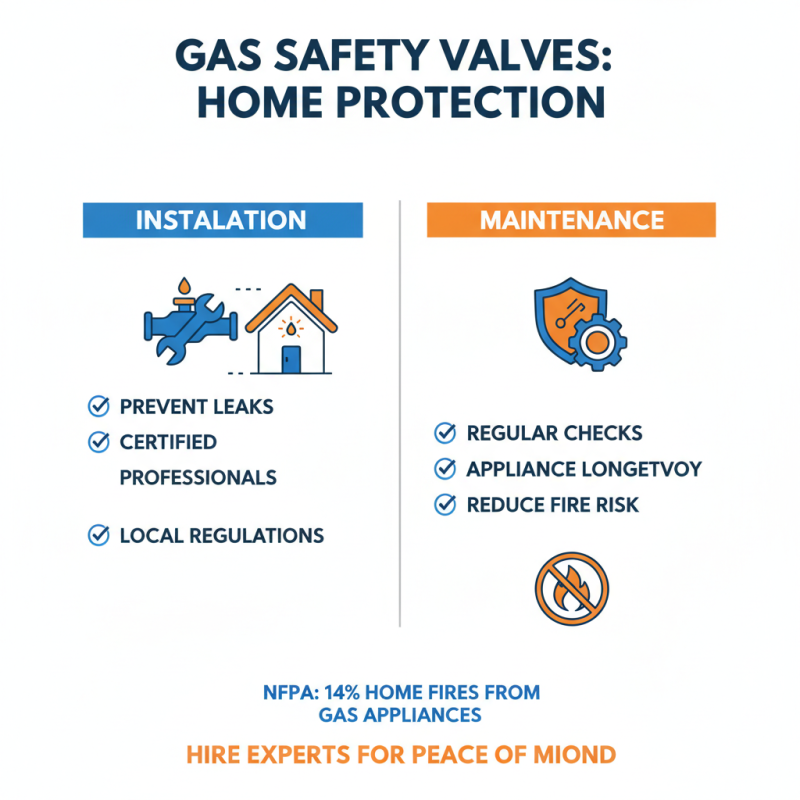
Gas safety valves play a crucial role in ensuring home safety, particularly during the installation and maintenance phases. Proper installation is essential for preventing gas leaks. According to a report by the National Fire Protection Association (NFPA), gas appliances were involved in approximately 14% of all home fires in recent years. Ensuring that safety valves are correctly fitted can significantly reduce these risks. It's important for homeowners to hire certified professionals who understand local regulations and safety standards.
Regular maintenance of gas safety valves is equally critical. Many homeowners overlook this necessity, which can lead to malfunctioning valves and potential dangers. The American Gas Association suggests conducting maintenance checks at least once a year. During these checks, professionals inspect for wear and tear, ensuring that valves function correctly. A malfunctioning valve could lead to dangerous gas accumulation, endangering occupants. Homeowners should be proactive about scheduling these checks with qualified technicians to ensure their gas systems remain safe and reliable.
Regulatory Standards for Gas Safety Valves in Residential Settings
In residential settings, gas safety valves play a critical role in protecting homes. Regulatory standards dictate their design and function. The American Gas Association (AGA) emphasizes that proper installation and regular maintenance of these valves are vital. In fact, nearly 70% of gas-related accidents occur due to faulty equipment. Adhering to safety regulations could significantly reduce these risks.
Local building codes often require the use of certified safety valves. These valves must meet specific performance criteria to minimize leaks. Many jurisdictions mandate annual inspections to ensure compliance. A study from the National Fire Protection Association reported that homes equipped with compliant safety valves had a 40% lower risk of gas leaks.
It's crucial to consider human factors in gas safety. Homeowners may overlook important maintenance tasks, such as checking for leaks. Reports show that less than 30% of residents actively inspect their gas systems. This gap highlights the need for education on the importance of regular safety checks. Awareness of regulations and adherence to standards can enhance home safety and prevent potential disasters.