Top Electric Water Heater Trends for 2026 What Buyers Need to Know?
As the demand for efficient energy solutions grows, the Electric Water Heater industry is evolving rapidly. One expert in this field, Dr. Emily Watson, emphasizes, "Innovation in electric water heaters is crucial for sustainable living." In 2026, consumers can expect advanced technologies, improved energy efficiency, and enhanced usability in electric water heaters.
Homeowners are now looking for products that reduce utility bills while providing reliable hot water. New features, such as smart connectivity and eco-friendly materials, are becoming more common. However, despite these advancements, many buyers may find it challenging to navigate the multitude of options available. It's essential to understand the key trends that will shape the market in the next few years.
Ultimately, while the future looks promising, potential buyers need to be aware of the complexities in selecting the right electric water heater for their needs. Evaluating options based on efficiency ratings, installation requirements, and technological features is crucial. Awareness of these factors will empower consumers and lead to more informed decisions.
Emerging Technologies in Electric Water Heaters for 2026
As we look towards 2026, electric water heaters are undergoing significant advancements. Emerging technologies are revolutionizing their efficiency and user convenience. According to a recent report from the U.S. Department of Energy, the market for electric water heaters is projected to grow by 8% annually. This growth is largely driven by innovations in heating elements and smart technology integration.
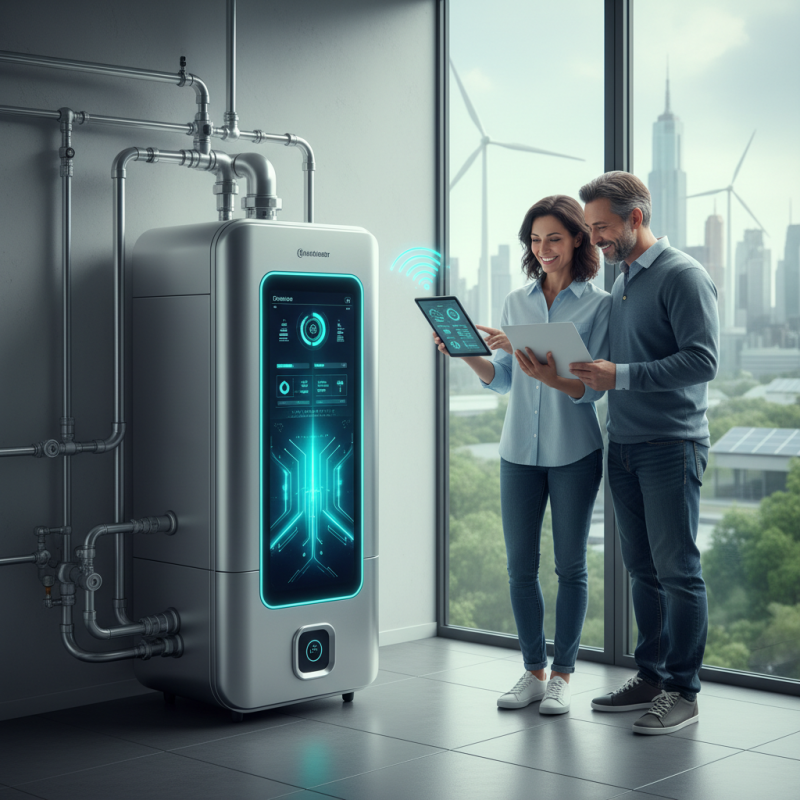
Smart electric water heaters are at the forefront of these trends. They offer features like Wi-Fi connectivity, allowing users to monitor and control their heating remotely. This capability leads to more efficient energy use. A 2023 survey revealed that homes using smart water heaters reduced their energy consumption by 15%. This not only results in cost savings but also promotes sustainability.
Another exciting trend is the development of heat pump water heaters. These units use electricity to move heat rather than generate it directly. This method can be up to three times more efficient compared to traditional models. However, the initial cost and installation complexity may be barriers for some consumers. These evolving technologies reflect the industry's ongoing commitment to innovation and efficiency, but challenges remain in user adoption and accessibility.
Key Features to Look for in Today's Electric Water Heaters
When choosing an electric water heater, focus on efficiency and features. Look for models with high Energy Factor (EF) ratings. Higher ratings indicate better energy efficiency, helping to lower utility bills. Smart technology is becoming essential. Some heaters can be controlled via mobile apps. This feature allows users to monitor and adjust temperatures remotely.
Consider tankless electric water heaters as an option. They heat water on demand, saving space and reducing energy waste. However, they may have limitations in meeting high simultaneous usage. Pay attention to capacity and recovery rates. A unit that fits your household’s needs ensures a constant hot water supply.
Don’t overlook installation requirements. Proper installation can impact performance and longevity. Always consult a qualified professional. This can prevent costly mistakes down the line. While expanded warranties might seem appealing, they often come with added costs. Always weigh the benefits against your actual needs.
Energy Efficiency Standards and Regulations Impacting Buyers
As we approach 2026, energy efficiency standards are set to evolve. These changes will significantly impact electric water heater buyers. The push for more efficient models is driven by environmental concerns and economic pressures. Consumers are becoming more aware of their carbon footprint and energy bills. This shift requires buyers to consider models that meet stricter regulations.
New energy efficiency ratings will be introduced, likely replacing previous ones. This may cause confusion initially. Buyers must educate themselves on the latest requirements. Some models may claim to be "energy-efficient" but fail to meet new standards. Understanding these classifications is vital in making informed decisions.
Investing in energy-efficient appliances is not only responsible but economical in the long run. While the initial cost may be higher, the savings on energy bills can offset this expense over time. However, buyers should not overlook ongoing maintenance needs. Efficiency is not just about purchasing; it includes proper care and usage.
Top Electric Water Heater Trends for 2026 - Energy Efficiency Standards and Regulations Impacting Buyers
| Trend | Description | Energy Efficiency Standard | Impact on Buyers |
| Smart Technology Integration | Water heaters with Wi-Fi connectivity for remote monitoring and control. | EPA Energy Star Standards | Enhanced convenience and potential savings on energy bills. |
| Higher Efficiency Ratings | Models achieving higher energy efficiency ratings to reduce environmental impact. | DOE Energy Conservation Standards | Long-term savings potential and rebates available for qualifying units. |
| Compact Designs | Space-saving models ideal for urban living. | N/A | More options for installation in limited spaces. |
| Heat Pump Technology | Utilizes heat from the air to warm water, significantly reducing electricity use. | Energy Star Program for Heat Pumps | Higher upfront cost but lower operating costs over time. |
| Solar Water Heating Systems | Systems that harness solar energy to heat water, often paired with conventional units. | Renewable Energy Incentives | Potential tax credits and lower energy bills. |
Smart Home Integration: Electric Water Heaters and IoT
The rise of smart home integration is transforming electric water heaters. Homeowners can now control their water heaters remotely, adjusting temperature settings with a simple tap on their smartphones. This connectivity allows for scheduling heating times, enhancing energy efficiency and convenience. Many systems can even diagnose issues, alerting homeowners before minor problems escalate.
However, with these advancements comes complexity. Understanding the numerous features can be overwhelming. For instance, while IoT integration offers many benefits, not all users grasp how to maximize these capabilities. Some may struggle with app connectivity or the initial setup process. It’s essential to consider user-friendliness when choosing a smart water heater.
As technology progresses, the importance of reliable data cannot be overstated. An electric water heater that can communicate its status provides peace of mind. Still, buyers should research various IoT solutions thoroughly. What works for one household may not be optimal for another. Personal preferences and home configurations vary widely. Being informed is crucial for seamless integration.
Buyer’s Guide: Choosing the Right Electric Water Heater for Your Needs
When choosing an electric water heater, understanding your specific needs is crucial. Start by considering the size of your household. For example, a family of four typically requires a 40 to 50-gallon tank. This ensures consistent hot water supply during peak times. The U.S. Department of Energy reports that selecting the right capacity can reduce energy costs by up to 30%.
Energy efficiency should be a top priority. Look for models with a high Energy Factor (EF) rating. A higher EF indicates better efficiency, which is important for long-term savings. Buyers should also be aware of the differences between tank and tankless systems. Tankless heaters provide hot water on demand, while traditional tanks store water. This choice impacts both convenience and energy use.
Tips: Assess your average water usage before deciding. Check the EF rating for energy efficiency. Regular maintenance can extend your heater's lifespan and maintain performance.
Keep in mind that the installation process varies. Some systems require professional installation, which can add to initial costs. Additionally, consider the location of your heater. Access to ventilation and space can affect the efficiency of the unit. Ensure you weigh the pros and cons carefully before making a decision.
Top Electric Water Heater Trends for 2026
This chart illustrates the projected trends in electric water heater capacities and efficiency ratings leading into 2026. It's essential for buyers to understand these trends to make informed decisions.