Why Choose Electric Tricycle Scooter for Eco Friendly Transportation?
As urban populations grow, traffic congestion and pollution are serious challenges. The need for eco-friendly transportation solutions has become critical. The Electric Tricycle Scooter emerges as a viable option. Studies indicate that electric vehicles can reduce greenhouse gas emissions by up to 70%. This data highlights the importance of integrating such vehicles into our daily lives.
In recent years, electric tricycles have gained traction among consumers and cities alike. With a range of up to 60 miles on a single charge, they offer practicality and convenience. Moreover, according to the International Energy Agency, electric mobility solutions are forecasted to account for 30% of all road transport by 2030. These trends underline the potential of Electric Tricycle Scooters in addressing environmental concerns.
Despite these advantages, the transition to electric mobility is not without challenges. Infrastructure development for charging stations remains limited in many areas. Consumers may also hesitate due to initial purchase costs. Reflecting on these obstacles is essential for making informed decisions. Nevertheless, the Electric Tricycle Scooter stands out as a promising step towards sustainable transport.
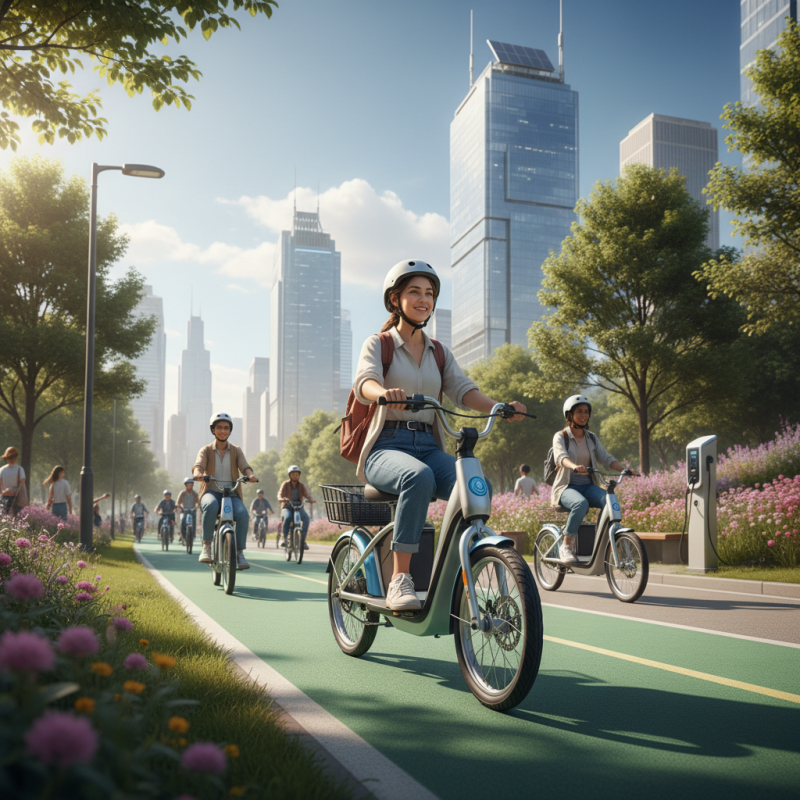
Benefits of Electric Tricycle Scooters for Eco-Friendly Transit
Electric tricycle scooters are becoming a popular choice for eco-friendly transportation. They offer numerous benefits that align with sustainable practices. According to a report from the International Energy Agency, electric vehicles could reduce global emissions by up to 70% by 2050. This significant decrease highlights the potential of electric tricycles in reducing carbon footprints.
One of the primary advantages of electric tricycles is their energy efficiency. They require less energy per mile compared to traditional vehicles. A study published by the Transport Research Unit indicates that electric tricycles can consume around 90% less energy than gas-powered scooters. Additionally, they produce zero tailpipe emissions, making them ideal for urban environments that struggle with pollution.
Moreover, electric tricycles can promote social inclusion. They are accessible to various populations, including the elderly and people with disabilities. However, challenges remain. Infrastructure for charging and maintenance may not be available in all regions. This gap can hinder their widespread adoption. Continued investments in eco-friendly transport networks are essential for overcoming these obstacles and maximizing the benefits of electric tricycles.
Why Choose Electric Tricycle Scooter for Eco Friendly Transportation? - Benefits of Electric Tricycle Scooters for Eco-Friendly Transit
| Benefit | Description | Environmental Impact | Cost Efficiency |
| Zero Emissions | Electric tricycles produce no emissions during operation, reducing air pollution. | Significantly lowers carbon footprint. | Less reliance on fossil fuels leads to cost savings. |
| Energy Efficiency | Higher miles per kilowatt hour compared to conventional vehicles. | Reduced energy consumption supports sustainable energy practices. | Lower energy costs for charging compared to gas. |
| Reduced Traffic Congestion | Compact design allows for easier navigation in crowded areas. | Less traffic leads to lower emissions overall. | Saves time and money on transportation. |
| Health Benefits | Increased physical activity from pedaling enhances fitness. | Cleaner air promotes better health in communities. | Less healthcare expenditure linked to pollution-related illnesses. |
| Low Maintenance Costs | Fewer moving parts than gas-powered vehicles means lower upkeep. | Contributes to sustainability with fewer resources spent. | Long-term savings on repairs and services. |
How Electric Tricycles Reduce Carbon Footprint Compared to Cars
Electric tricycles are gaining popularity as eco-friendly transportation. They stand out for their lower carbon footprint compared to traditional cars. According to the International Council on Clean Transportation, electric vehicles can reduce greenhouse gas emissions by up to 60% compared to gasoline-powered cars. This is particularly evident in urban areas where pollution levels are critical.
Electric tricycles use significantly less energy. The average electric tricycle consumes about 1.0 kWh of electricity per 100 kilometers. In contrast, a typical car consumes around 8 to 12 liters of gasoline for the same distance, releasing about 2.4 kg of CO2. Therefore, choosing electric tricycles can lead to considerable reductions in carbon emissions, making a notable impact on air quality.
There are challenges, though. Charging infrastructure is still developing in many regions. Battery disposal methods also require attention to ensure environmental safety. An analysis by the World Economic Forum highlights the need for a complete circular economy in electric vehicle production and waste management. Electric tricycles are part of a solution, but their growth must be accompanied by sustainable practices.
Carbon Emissions Comparison: Electric Tricycles vs. Cars
Electric tricycles are a more eco-friendly transportation option compared to gasoline and diesel cars due to their significantly lower carbon emissions. As shown in the graph, electric tricycles produce only 30 grams of CO2 per kilometer, while gasoline and diesel vehicles emit around 180 and 150 grams respectively. This makes electric tricycles a great choice for reducing your carbon footprint.
Cost-Effectiveness of Electric Tricycles for Daily Transportation Needs
Electric tricycle scooters are transforming our approach to daily transportation. They offer a cost-effective alternative to traditional vehicles. According to a report by the International Council on Clean Transportation, operating an electric tricycle can be significantly cheaper than a gas-powered vehicle. The average cost per mile for an electric scooter is about $0.03 compared to $0.15 for a gas vehicle. This stark difference highlights potential savings.
Moreover, electric tricycles require minimal maintenance. Routine checks are simpler than those for cars. For instance, battery maintenance is less demanding than engine overhauls. This translates into lower long-term costs for the user. For daily commuters, the savings on fuel and maintenance can add up quickly. In urban areas, the cost of parking also becomes a significant factor. Many cities offer designated parking for electric vehicles, reducing that expense as well.
Despite these advantages, some may wonder about battery life and charging logistics. Finding charging stations can sometimes be challenging, especially in rural areas. Battery degradation over time is another concern that users must consider. It’s not uncommon for batteries to lose capacity, requiring replacements every few years. Being informed about these aspects can help users make wiser decisions. Embracing electric tricycles is not just financially savvy; it also contributes to a more sustainable environment, combining economic and ecological benefits.
Key Features of Electric Tricycle Scooters Supporting Sustainability
Electric tricycle scooters are gaining traction as a sustainable transport option. They offer a blend of efficiency and eco-friendliness. These vehicles produce zero emissions, reducing air pollution significantly. They are powered by electric batteries, making them a smart choice for urban commuting. With the right design, they can carry heavy loads while having a small footprint.
Key features of these scooters include regenerative braking. This technology helps to recharge the battery while slowing down. It enhances the overall efficiency of the vehicle. Some models come with spacious cargo areas, which improve practicality. In crowded cities, navigating through traffic with a tricycle scooter can be a real advantage. However, they may require more space for parking compared to regular bicycles.
Battery life also plays a crucial role in sustainability. Many electric tricycles now have long-lasting batteries that support extended travel. This reduces the need for frequent charging and enhances reliability. Yet, battery disposal remains a concern for many users. If not handled correctly, it can undermine the environmental benefits. As we embrace this mode of transport, thoughtful reflection on battery usage is essential.
Comparative Analysis of Electric Tricycles vs. Other Eco-Friendly Vehicles
Electric tricycle scooters are gaining popularity as eco-friendly alternatives to traditional vehicles. Their design makes them suitable for urban commuting. Compared to electric cars and bicycles, electric tricycles offer unique advantages. They have a lower carbon footprint, making them a greener choice.
When considering electric tricycles, one must weigh the pros and cons. They provide stability, which is a clear advantage over two-wheeled bicycles. However, they can be bulkier and harder to navigate in crowded spaces. Additionally, they often have a limited range compared to electric cars. This limitation is important for users planning longer trips.
Tips: Before choosing an electric tricycle, take a test ride. This will help you feel its balance and comfort. Verify the battery life. A longer-lasting battery will suit your needs better. Remember, safety gear like helmets is essential for all riders.