What is an Electric Forklift Battery and How to Choose One?
Choosing the right Electric Forklift Battery is vital for optimal performance. These batteries power electric forklifts, which are essential in warehouse and industrial settings. Understanding the types, features, and specifications of Electric Forklift Batteries can greatly influence your operations.
A reliable battery can enhance productivity and reduce operational costs. However, the selection process may seem daunting. You may face choices between lithium-ion and lead-acid batteries. Each type has its pros and cons. Considering factors like lifespan, charging time, and maintenance is crucial. Many companies overlook these details, leading to inefficiencies.
Selecting an Electric Forklift Battery requires careful thought. It’s not just about the price but also about reliability and performance. The wrong choice can lead to unexpected downtime. Therefore, having expertise and knowledge in this area is highly beneficial. Evaluate your specific needs, and seek expert opinions if necessary. Your investment in an electric forklift battery should drive your business forward, not hold it back.
What is an Electric Forklift Battery?
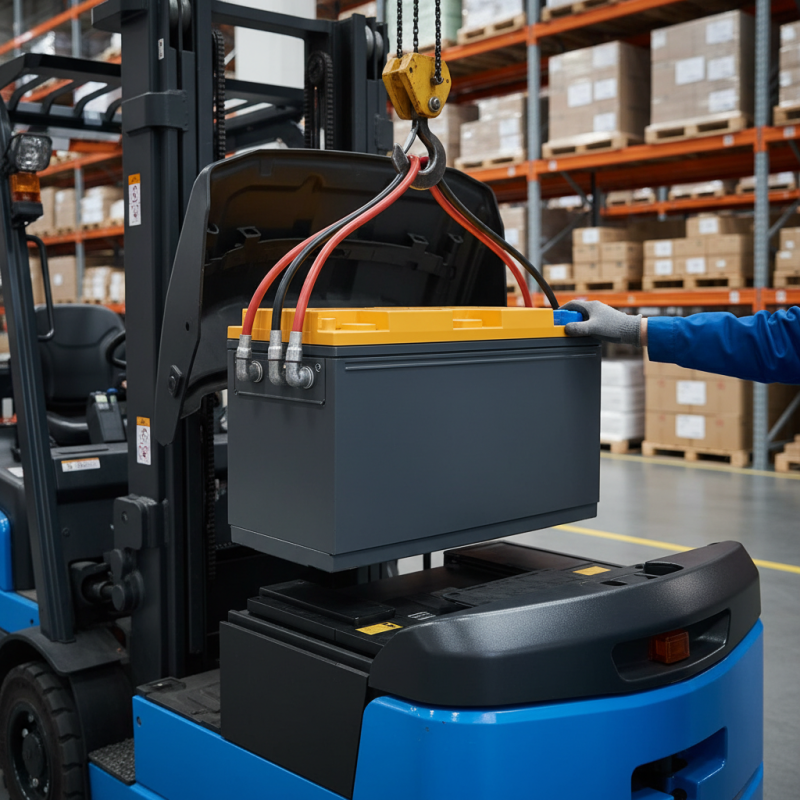
An electric forklift battery is a crucial component in a forklift's operation. It powers the electric motor, allowing for efficient lifting and movement of heavy loads. These batteries typically come in lithium-ion or lead-acid varieties. Each type has its strengths and weaknesses, impacting performance and cost.
Choosing the right battery involves understanding your operational needs. Do you operate in a multi-shift environment? A lithium-ion battery can provide faster charging times and longer life cycles. Lead-acid batteries, while more affordable, may require more maintenance and have shorter usage periods.
**Tips:** Consider the average daily usage and charging infrastructure. Evaluate the space for charging and maintenance. If you often charge multiple times a day, a lithium-ion setup could save you time. Remember to reflect on the total cost of ownership, not just the purchase price.
Battery weight and size matter, too. Ensure the forklift can handle the battery’s weight without compromising safety or performance. Each application may require a different specification, so customize based on specific tasks. Do not overlook proper training for operators to handle battery changes safely.
Types of Electric Forklift Batteries Available
When selecting an electric forklift battery, understanding the types available is essential. Lead-acid batteries are among the most common. They are cost-effective and reliable for various applications. However, they require regular maintenance, such as watering and equalization charging. This can be a drawback for some users, who may prefer a more hassle-free option.
Lithium-ion batteries are gaining popularity due to their advantages. They offer longer lifespans and faster charging times. With these batteries, users can reduce downtime. Yet, the initial investment is higher. Some businesses might hesitate due to the upfront cost, despite the potential long-term savings. It's crucial to weigh these factors when making a decision.
Another type is the gel battery, which is similar to lead-acid batteries but with a gel electrolyte. These batteries are maintenance-free and less prone to spillage. However, they may not provide the same power output as other types. Evaluating specific operational needs is vital. Each type has pros and cons, and your choice should align with your operational demands and budget.
Factors to Consider When Choosing an Electric Forklift Battery
Choosing the right electric forklift battery is essential for optimizing your operations. Several factors can affect your decision. The battery type is paramount. Common options include lead-acid and lithium-ion. Each has its pros and cons. Lead-acid batteries are cost-effective but require more maintenance. Lithium-ion batteries, while pricier, offer longer lifespans and faster charging times.
Capacity is another critical consideration. You'll want to assess how much power your forklift needs for its tasks. This is measured in amp-hours. A higher capacity means longer running time but often increases the weight of the battery. Be mindful of the weight limits of your forklift. Additionally, think about the charging capabilities. Some batteries can recharge in just a few hours, while others may take much longer.
Battery maintenance cannot be overlooked. Regular checks ensure the longevity of your battery. Remember to consider how often the battery needs water and how to maintain its performance. Also, note that extreme temperatures can affect battery efficiency. Reflect on your operational environment and how it can influence your choice. Battery technology is constantly evolving, and staying informed can lead to better decisions.
Benefits of Using Electric Forklift Batteries
Electric forklift batteries are transforming warehouse operations. They offer unique advantages over traditional lead-acid batteries, making them a preferred choice for many businesses. One significant benefit is their efficiency. Electric batteries charge faster and last longer, allowing for extended operation hours. This means fewer interruptions and more productivity on the dock.
Furthermore, electric forklift batteries are environmentally friendly. They produce zero emissions during operation. This aspect is crucial, especially in indoor settings where air quality matters. Reduced emissions contribute to a healthier work environment. Businesses can also save on maintenance. Electric batteries require less upkeep compared to their lead-acid counterparts. This reliability can lower operational costs.
However, it's essential to choose the right battery based on specific needs. Consider factors like the type of forklift and the typical workload. Different applications may require varying battery sizes and power outputs. It's important to research and consult experts in the field for guidance. By understanding these benefits and aligning them with operational needs, companies can enhance their efficiency and sustainability.
Maintenance Tips for Electric Forklift Batteries
Electric forklift batteries are essential for operational efficiency. Proper maintenance maximizes battery lifespan and performance. According to industry research from the Electric Power Research Institute, neglected battery maintenance can shorten lifespan by 30%. Regular inspection is critical. Check water levels and clean terminals to prevent corrosion.
Charging practices also affect battery health. Avoid deep discharges; a regular cycle should not drop below 20% charge. Many experts recommend charging after each shift. Additionally, keeping batteries at stable temperatures enhances their reliability. The ideal range is between 60°F and 80°F.
Sometimes users overlook the importance of balancing battery use. Rotating between multiple batteries helps avoid overuse and prolongs overall battery life. While these practices may seem straightforward, they require diligence. Missing a single charge cycle can impact performance significantly. Consistent habits lead to better results and fewer operational issues.