How to Choose the Right Valve Ball for Your Application?
Choosing the right valve ball is crucial for optimal performance in various applications. The valve ball is a key component in many industries, including oil and gas, water treatment, and manufacturing. According to a 2022 market report by Grand View Research, the global valve market is expected to reach USD 90 billion by 2030. Selecting the correct valve ball can be a critical factor in achieving this growth.
Valves are essential for controlling fluid flow. They regulate pressure and ensure safety across systems. A poorly chosen valve ball can lead to leaks or failures, causing significant downtime and expenses. Studies suggest that valve-related failures account for about 25% of operational issues in industrial settings.
In terms of materials, valve balls can vary widely. Metal, plastic, and ceramic options present different advantages. The choice often depends on factors such as fluid type, temperature, and pressure. It's important to consider each application's specific requirements. Even small miscalculations can result in larger problems down the line. Understanding these dynamics can improve reliability and efficiency in operations.
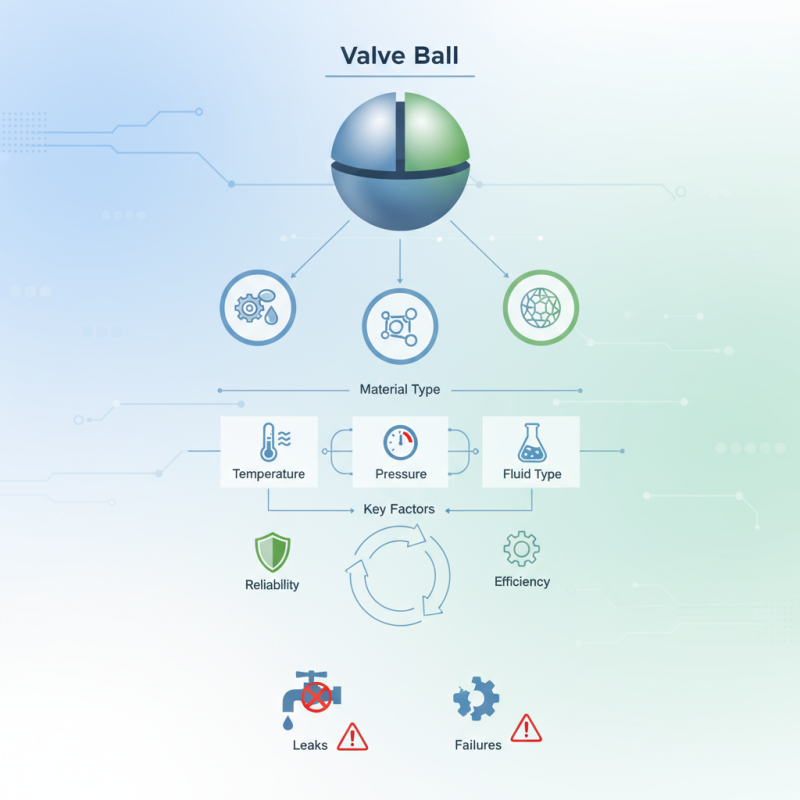
Understanding Different Types of Valve Balls for Specific Applications
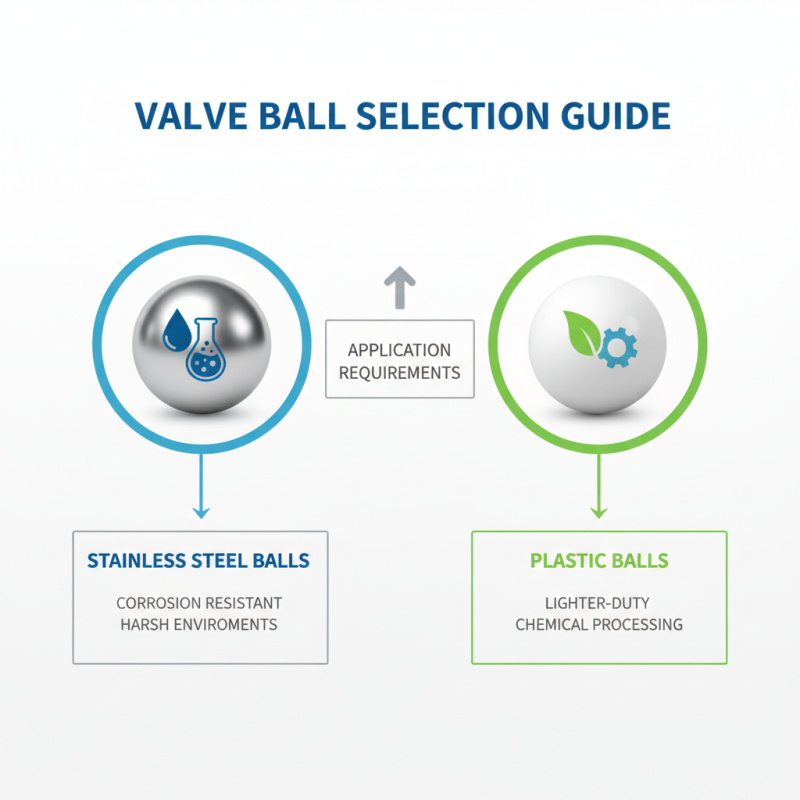
When selecting the right valve ball, consider the specific requirements of your application. Various materials are available, each with unique properties. For instance, stainless steel balls offer corrosion resistance, making them ideal for harsh environments. On the other hand, plastic balls can be suitable for lighter duty applications, particularly in chemical processing.
Tips: Always assess the pressure and temperature conditions. High pressure demands stronger materials. Similarly, temperature can affect performance.
Different industries may favor specific types of valve balls. Oil and gas applications often require heavy-duty options. In contrast, food processing may prioritize sanitary materials. Choosing a valve ball isn't just about function; it’s about the environment it operates in.
Tips: Don’t overlook compatibility issues. Mismatched materials can lead to leaks or failures over time. Always consult with experts to ensure proper selection.
Key Material Considerations for Valve Balls in Various Environments
When selecting the right valve ball, understanding the material is crucial. Different environments demand unique properties. For instance, corrosive environments often require stainless steel or plastic balls. These materials resist rust and degradation. But, are they always the best choice? Not necessarily.
In high-temperature scenarios, specialized materials such as ceramics might perform better. They can withstand extreme heat without losing integrity. However, ceramics may be brittle. This raises questions about durability under stress. Similarly, rubber-coated balls offer excellent sealing abilities. But in harsh chemicals, they can deteriorate quickly.
It’s essential to consider the medium flowing through the valve. Is it a gas, liquid, or slurry? Each medium interacts differently with valve materials. Testing in real conditions is often overlooked. For a truly effective solution, consider the long-term effects. Ensure that you have the right data before making a choice.
Material Selection for Valve Balls in Different Environments
Assessing Size and Compatibility for Optimal Valve Ball Performance
Choosing the right valve ball is crucial for ensuring optimal performance in various applications. Size and compatibility significantly influence how well a valve ball operates within a specific system. Each application has unique requirements, and a mismatch can lead to inefficiencies or failure.
When assessing size, consider the diameter and material of the valve ball. A ball that is too large may not fit, causing leaks. A ball that is too small may not seal properly, leading to wastage. Compatibility with fluid types and pressure ratings is also essential. Evaluate the environment in which the valve ball will be used.
Tips: Check the specifications of your system. Understand the fluids involved. Think about temperature and pressure.
Always remember that material choice matters. Different materials react differently to various fluids. A poor choice can lead to corrosion. Conducting thorough research can help avoid costly mistakes. If uncertain, seeking expert advice may be beneficial.
Remember, regular inspection and maintenance increase a valve ball's lifespan. Ensure that you monitor its condition over time to spot any issues early. Adjustments may be necessary based on operational changes. Quality in choice leads to efficiency in function.
Evaluating Pressure and Temperature Ratings for Valve Ball Selection
Choosing the right valve ball hinges on understanding pressure and temperature ratings. These ratings are critical to ensure safety and efficiency in operations. For example, a recent industry report indicated that incorrect valve ball selection could lead to 50% more maintenance costs. This is a significant financial burden for many companies.
Pressure ratings tell us how much stress a valve can handle. Standard ratings range from low (150 psi) to high (over 10,000 psi) in some applications. When selecting a valve ball, consult these ratings closely. Temperature ratings are similarly essential. Many materials can only withstand certain temperatures. For instance, stainless steel valves typically handle temperatures up to 600°F. However, the environment you operate in may present unique challenges.
Material choice is also crucial. Some materials may excel under specific pressures but fail under extreme temperatures. For example, plastic valve balls may perform well under low pressure but struggle in high-heat environments. This mismatch can lead to premature failures. Ultimately, understanding these factors requires careful consideration and research. The goal should be to minimize risks while maximizing functionality in the chosen application.
Examining Cost and Availability Factors When Choosing Valve Balls
When selecting the right valve ball, cost and availability are crucial. Material selection impacts both. For instance, titanium valve balls, while durable, may double the cost compared to stainless steel options. A report by the American Society of Mechanical Engineers notes that 70% of manufacturing companies prefer economy over specialty materials. This choice can affect the longevity and reliability of the valve.
Availability can also influence costs. Supply chain disruptions may cause shortages. A study by the Institute for Supply Management indicates that 60% of firms experienced delays. Manufacturers face challenges in sourcing the right materials at the right time. These delays can lead to project setbacks.
Quality cannot be compromised for cheaper options. Some low-cost valve balls may not perform under pressure. The consequences can be severe, leading to system failures. Industry reports suggest that nearly 30% of companies have faced increased maintenance costs after choosing lower-quality materials. Considering cost and availability is essential, but quality must remain a priority.
How to Choose the Right Valve Ball for Your Application?
| Material |
Size (inches) |
Cost (USD) |
Availability (Days) |
Pressure Rating (PSI) |
| Stainless Steel |
1.0 |
25.00 |
5 |
1500 |
| PVC |
2.0 |
15.00 |
3 |
400 |
| Brass |
1.5 |
20.00 |
10 |
800 |
| Ceramic |
0.75 |
40.00 |
7 |
1600 |
| Polypropylene |
3.0 |
18.00 |
4 |
200 |