How to Choose the Right Isolation Switch for Your Needs?
Choosing the right Isolation Switch can be a crucial decision for many industries. John Smith, a leading expert in electrical safety, once stated, "An effective isolation switch safeguards both equipment and personnel." This highlights its importance in ensuring a safe operational environment.
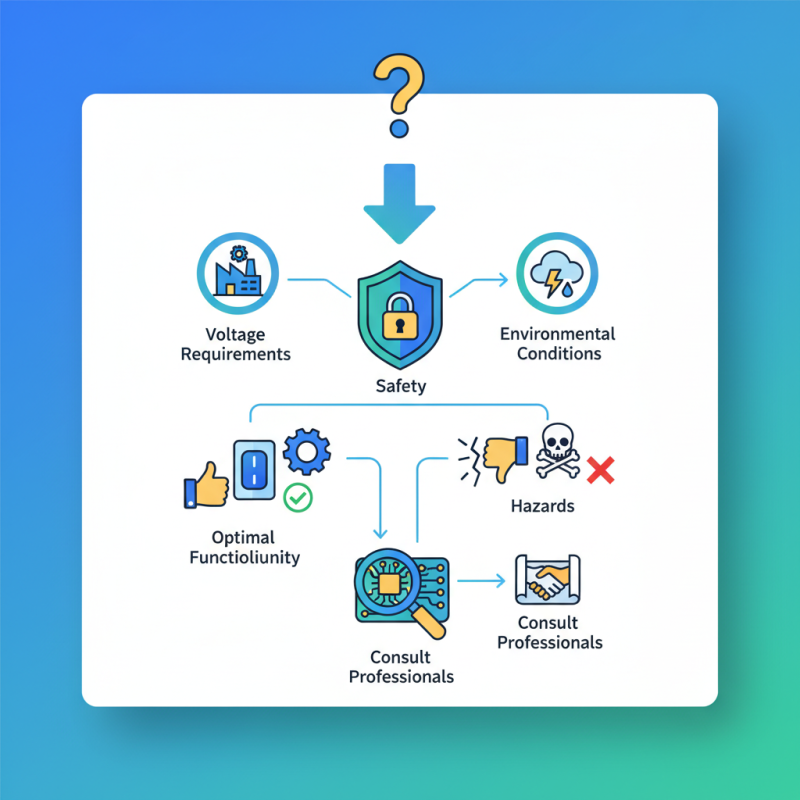
When selecting an Isolation Switch, various factors come into play. Consider the voltage requirements and the environment where it will be used. The wrong choice might lead to equipment failure or safety hazards. It’s essential to assess whether the switch can handle the load and provide the necessary isolation.
Moreover, not all Isolation Switches are created equal. Some may lack features that ensure optimal safety and functionality. It's crucial to evaluate different brands and models diligently. Engaging with professionals or consulting industry standards can provide valuable insights. Remember, the wrong isolation switch can have serious consequences. Shortcomings in selection can lead to reflections on safety practices and operational efficiency. Thus, choose wisely.
Understanding the Purpose of Isolation Switches in Electrical Systems
Isolation switches play a vital role in electrical systems. They allow safe disconnection of power to equipment for maintenance or emergencies. Understanding their purpose is essential for optimal safety in any electrical setup. An isolation switch can prevent accidental energizing during repairs. This protects both the worker and the equipment.
When selecting an isolation switch, consider the voltage and current ratings. Ensure the switch can handle the electrical load of your system. Also, note the environment. Is it indoors or outdoors? Different conditions may require specific materials or enclosures. Overlooking these aspects can lead to failures or unsafe situations.
Here’s a tip: always consult with an electrician before making a choice. Their expertise can help you avoid costly mistakes. It’s also wise to think about future needs. Will your system expand later? Picking a switch that can accommodate growth might save you trouble down the line. Remember, the right isolation switch is not just about function; it’s about safety and reliability too.
Identifying Your Specific Electrical Requirements and Load Types
Choosing the right isolation switch starts with understanding your specific electrical needs. Identifying the electrical load types in your setup is crucial. Different systems have varying requirements, whether it's pumps, motors, or lighting. Each type of load may demand distinct features in an isolation switch. For example, inductive loads require switches that can handle inrush currents effectively.
Consider the operating environment as well. Will the switch face harsh weather conditions? Dust and moisture can affect performance. Additionally, many users overlook the importance of voltage ratings. It's easy to assume that all switches fit all applications. This assumption can lead to failures and safety hazards.
Reflect on the ease of operation too. A user-friendly design enhances safety and efficiency. However, it’s also essential to evaluate your installation space. Sometimes switches are too bulky for compact areas. This trade-off can lead to frustration later. Think through these factors deeply to ensure you're making the best choice.
How to Choose the Right Isolation Switch for Your Needs?
| Criteria | Description | Load Type | Switch Rating (Amps) | Voltage Rating (Volts) |
| Household Use | Standard isolation switch for home appliances | Single-phase | 16 Amps | 230 Volts |
| Industrial Use | Heavy-duty switches for industrial machinery | Three-phase | 63 Amps | 400 Volts |
| Solar Systems | Switches specifically for solar panel setups | DC | 25 Amps | 600 Volts |
| Commercial Lighting | For controlling large lighting systems in commercial venues | Single-phase | 32 Amps | 230 Volts |
Evaluating Different Types of Isolation Switches Available on the Market
Choosing the right isolation switch involves understanding the various types available. Key options include rotary switches, toggle switches, and fused switches. Each type has its specific applications and characteristics. Rotary switches offer multi-position settings, making them versatile for various needs. Toggle switches, on the other hand, provide a simple on/off function.
Fused isolation switches incorporate a fuse for added protection. They are often used in industrial settings where equipment safety is paramount. However, the installation process can be complex, requiring careful planning and expertise. It’s crucial to assess the environment where the switch will be used. High humidity or dust can impact performance.
Selecting a switch should also consider factors like ease of access and visibility. Are the labels clear? Is it easy to operate in an emergency? Sometimes, switches may look great, yet fail in real-world conditions. Evaluating their performance in specific scenarios can uncover potential issues. Making an informed decision requires thorough reflection on these details.
Considering Safety Standards and Regulations for Isolation Switches
When selecting an isolation switch, understanding safety standards and regulations is crucial. These guidelines ensure the switch meets safety requirements for your specific application. Familiarize yourself with local electrical codes. They dictate how isolation switches should be installed. Compliance helps prevent accidents and equipment damage.
A few tips for choosing the right isolation switch include checking the voltage rating. Ensure it matches your system's needs. Water and dust resistance ratings are also important. Look for switches that can withstand environmental factors. This prevents premature failure and potential hazards. Sometimes, users neglect these details. This could lead to costly mistakes later.
Don’t forget about installation. Consider hiring a qualified professional. They can help ensure compliance with all regulations. Improper installation can lead to serious safety risks. Review all documentation before proceeding. Questions about the switch's application?
Don’t hesitate to ask for clarification.
Assessing Installation and Maintenance Needs for Your Chosen Switch
When choosing an isolation switch, installation and maintenance needs are key considerations. The space for installation must be evaluated carefully. Tight spaces may limit switch options. Ensure that you have enough clearance for wiring and operation. This assessment can save you from future headaches.
Consider the type of environment where the switch will be installed. Is it outdoors? Indoor? A humid area? Each environment has specific requirements. For instance, switches in damp conditions often need special enclosures. Look into potential maintenance issues, too.
Routine checks are essential. Some switches require more frequent examinations. This can affect downtime and costs. Neglecting maintenance may lead to failures. Regular inspections help catch problems early. Understand your maintenance capacity before making a choice. A mismatch here can lead to unexpected challenges down the line.
Choosing the Right Isolation Switch: Installation and Maintenance Needs