2026 How to Choose the Right Globe Valve for Your Project?
When selecting a globe valve for your project, expertise matters. Renowned valve specialist, Dr. Emily Carter, asserts, "Choosing the right globe valve is crucial for system efficiency." In the fluid control industry, the proper globe valve ensures operational reliability and minimizes maintenance needs.
However, the decision-making process can be daunting. A myriad of options exists, from materials to sizes. Each aspect influences performance and longevity. It may feel overwhelming amid this complexity. A wrong choice can lead to inefficiencies and costly repairs.
To make an informed decision, consider your project's specific requirements. Understand fluid characteristics and system pressure. These details guide you toward the ideal globe valve. Remember, an informed choice enhances system performance and longevity. Yet, even experts sometimes overlook essential details. Careful consideration can prevent future complications, ensuring smooth operations.

Understanding the Basics of Globe Valves in Fluid Control Systems
Globe valves play a vital role in fluid control systems. They are designed to regulate flow efficiently. Understanding their basic structure can help in making informed choices. A typical globe valve consists of a movable disk or plug and a stationary seat. This design allows for precise control of the flow rate. It's essential to note that improper installation can lead to performance issues.
When selecting a globe valve, consider the fluid's characteristics. Temperature and pressure are critical factors. Each application may require different materials and designs. For instance, high-temperature fluids may necessitate specific materials to prevent degradation. Users may underestimate the impact of these choices. It's vital to list out specific requirements before making a decision.
Design and size also matter in your selection process. A mismatch can lead to inefficiencies and unexpected failures. Review the flow capacity and pressure drop across the valve. Proper sizing can enhance system reliability. Consult with experts for detailed insights. Their experience can guide you in making the right choice. Don't overlook the importance of regular maintenance. This will extend the valve's lifespan and maintain efficiency.
Choosing the Right Globe Valve for Your Project
Key Factors Influencing Globe Valve Selection for Your Application
When choosing the right globe valve, several key factors should guide your decision. First, consider the medium being conveyed through the valve. Different materials might react differently to fluids, which can affect performance. For instance, corrosive fluids require specific valve materials to ensure longevity. Additionally, the pressure and temperature of the system play crucial roles. High-pressure applications may need reinforced valves to prevent failure.
Another important consideration is the desired flow characteristics. Globe valves are known for their ability to regulate flow, but each design has unique features. Think about the valve's size and connection type. Installation space may limit your choices. Ensure you also consider the maintenance needs. Some globe valves might require more frequent inspections and adjustments. Skipping this factor could lead to operational challenges later.
Lastly, if your project has strict safety or regulatory requirements, compliance is vital. Check standards that might influence valve selection. Understand that the right valve can significantly affect overall system efficiency. Inadequate choices could lead to leaks or even system failures. Take the time to analyze your specific needs thoroughly.
2026 How to Choose the Right Globe Valve for Your Project? - Key Factors Influencing Globe Valve Selection for Your Application
| Factor |
Description |
Importance Level |
Recommended Application |
| Size |
Determines the flow capacity and pressure drop. |
High |
High-flow applications, pipelines. |
| Material |
Affects durability and corrosion resistance. |
High |
Chemical and high-temperature services. |
| Pressure Rating |
Specifies the maximum pressure the valve can handle. |
Medium |
Steam systems, process systems. |
| Temperature Range |
Indicates how well the valve performs under different temperatures. |
High |
Hot water, steam, and other thermal applications. |
| Flow Control |
Requires specific designs to ensure accurate flow regulation. |
High |
Applications requiring precise flow adjustment. |
| End Connections |
Different types of connections may be required based on installation. |
Medium |
Piping systems, retrofits. |
Comparing Material Options: Choosing Ductile Iron vs. Stainless Steel Valves
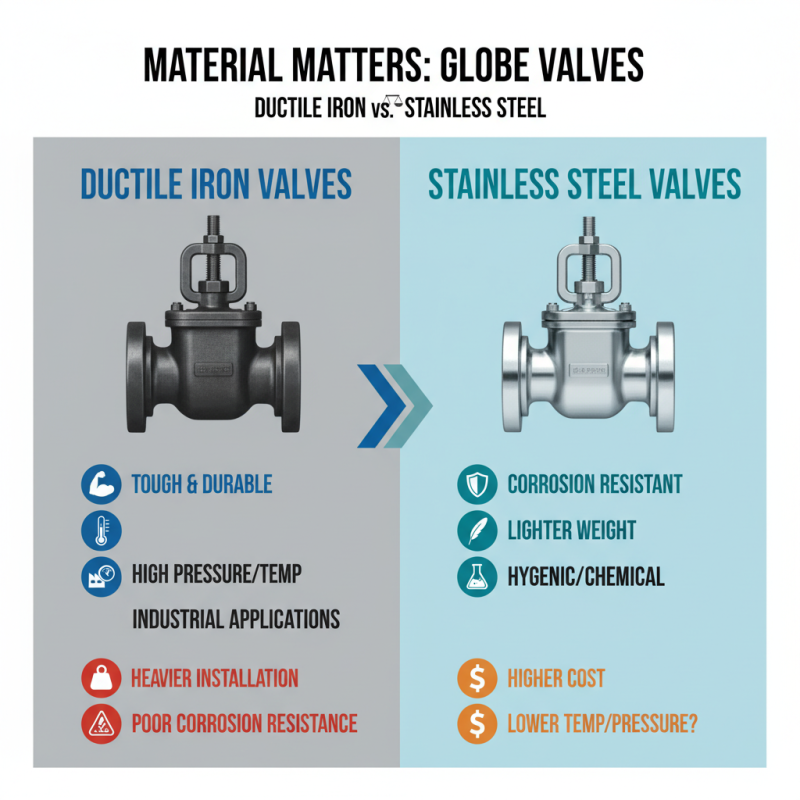
When choosing the right globe valve, material matters. Ductile iron is tough and durable. It handles high pressure and temperature well. This makes it a popular choice for many industrial applications. However, ductile iron is heavier, which can complicate installation. It also may not perform well in corrosive environments.
Stainless steel offers excellent corrosion resistance. This is crucial in applications involving water, chemicals, or steam. It's lighter than ductile iron, making installation easier. But stainless steel can be more expensive. You need to weigh the costs against the benefits. Consider the operational conditions for your project.
Both materials have their advantages and downsides. Your choice should reflect specific project needs. Evaluate the environment, pressure levels, and budget. It's essential to reflect on these factors for a successful outcome. Always consult with experts to ensure the best fit for your project.
The Importance of Valve Size and Pressure Ratings in Project Selection
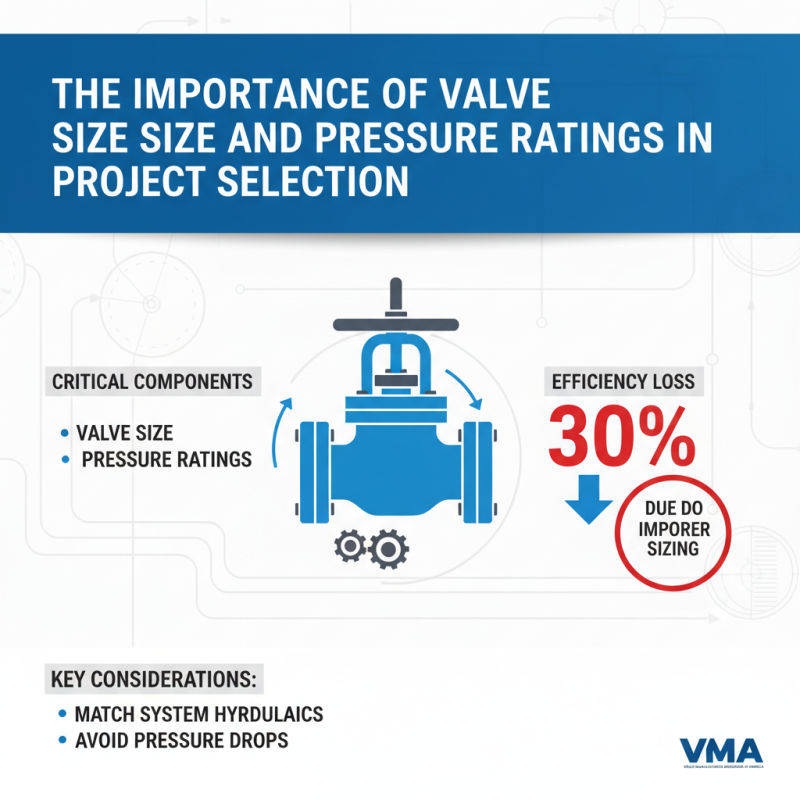
When choosing a globe valve for a project, valve size and pressure ratings are critical components. A study by the Valve Manufacturers Association of America (VMA) indicates that improper valve sizing can lead to a 30% loss in efficiency. Understanding flow requirements is essential. The valve should match the system's hydraulic demands to maintain performance and avoid pressure drops.
Pressure ratings also play a vital role. Globe valves come with various pressure classes, typically ranging from 150 psi to 2500 psi or more. According to the American Society of Mechanical Engineers (ASME), selecting a valve with insufficient pressure rating can lead to system failures. This can cause loss of production and safety hazards. Each project will have unique specifications to consider, requiring careful calculation of operating conditions.
Installation challenges can arise if the chosen valve fails to meet site conditions. A smaller valve may create resistance and increase energy costs. Conversely, an oversized valve can lead to instability in fluctuating systems. Understanding these dynamics can be complex. The importance of consulting with experts in valve engineering cannot be overstated. Their insights into trends and specifications can guide the selection process more effectively.
Analyzing Cost-Effectiveness: Initial Investment vs. Long-Term Performance
When evaluating globe valves, a critical factor is cost-effectiveness. The initial investment often concerns project managers. However, longevity and performance are equally crucial. A well-chosen globe valve can last 20 years or more with proper maintenance. Research indicates that cheaper options may fail faster, leading to higher replacement costs.
In a survey by the American Society of Mechanical Engineers, about 30% of projects reported unanticipated valve failures. These failures frequently stem from poor quality materials. The repair costs can climb significantly, sometimes exceeding the original purchase price. Investing in higher-quality globe valves can reduce maintenance frequency and associated costs over time.
Flexibility in valve design also plays a role in long-term success. Custom solutions may have higher upfront costs. Still, they can prevent unnecessary downtime and ensure efficiency in the long run. A study showed that 65% of engineers believe tailored solutions offset their initial price through enhanced reliability. Therefore, a thorough cost analysis should include not just the initial price, but also long-term operational performance. This approach aligns with best practices in engineering decisions.