Choosing the right deluge valve for fire protection systems can be challenging. Industry expert John Smith once stated, "Selecting the correct deluge valve is crucial for effective fire safety." Understanding the specific needs of your facility is essential.
When evaluating deluge valves, consider the type of system. Each application has unique requirements. For instance, a deluge system in a petrochemical plant differs from that in a data center. Size, pressure ratings, and materials matter greatly. You must also think about maintenance and reliability.
Lack of proper selection could lead to serious issues. Inadequate valves can cause system failures. Such failures may result in extensive property damage or worse. It’s vital to critically assess available options. Engage with fire protection professionals for guidance. Their insights can prevent costly mistakes and enhance safety.
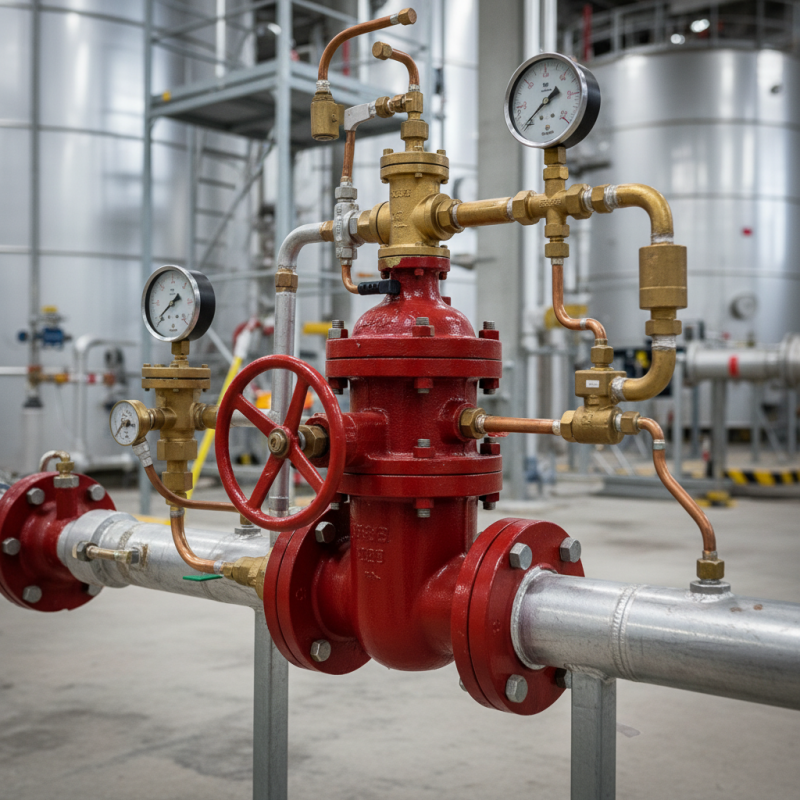
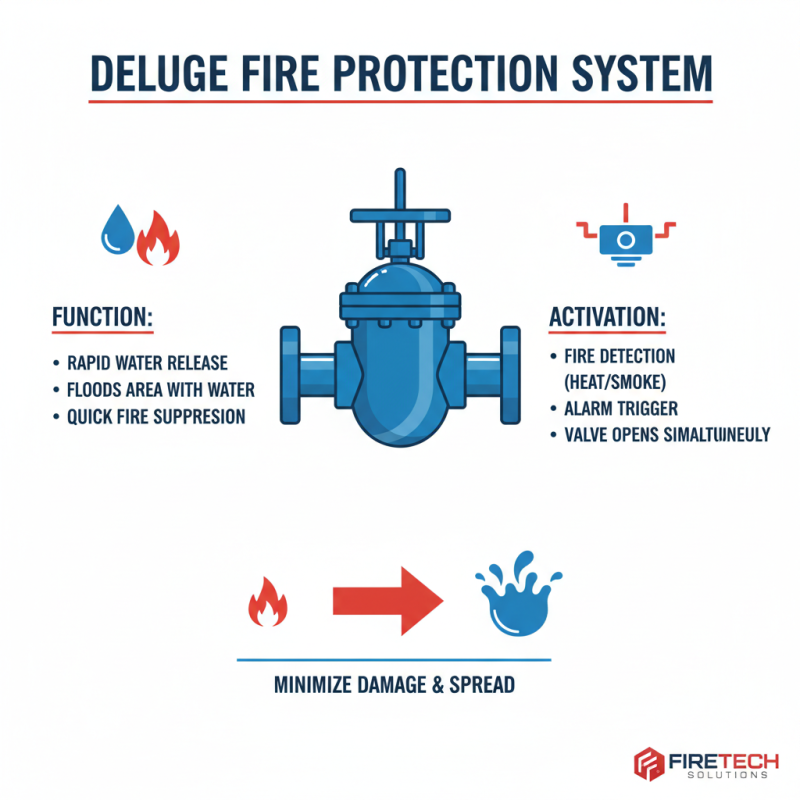
Deluge valves play a crucial role in fire protection systems. They release large amounts of water to extinguish fires quickly. When a fire is detected, these valves open simultaneously. This rapid response can be vital in minimizing damage.
According to the National Fire Protection Association, over 50% of fire-related incidents occur in commercial buildings. A deluge system can address this risk effectively. Factors to consider include the system pressure and response times. A valve that fails during an emergency can lead to severe consequences. Without adequate inspection, operational failures often go unnoticed.
Choosing the correct deluge valve involves understanding the specific environment. For example, high-hazard areas may need specialized models. Common oversights can include inadequate maintenance or incorrect installations. Three-quarters of fire protection professionals report challenges in ensuring operational efficiency. Investing time in understanding various options is essential.
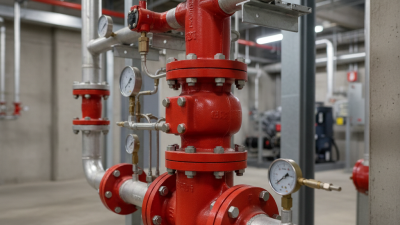
Choosing the right deluge valve for your fire protection system involves understanding key factors. Start by assessing your facility's specific needs. Evaluate the type of hazard present. Different hazards require different solutions. For instance, an industrial site might need more robust valves compared to a commercial space.
Tips: Always consider the flow rating of the valve. It should match your system requirements. Insufficient flow can hinder effective fire suppression. Also, examine the valve material. Corrosion-resistant materials are essential for longevity.
Think about the maintenance and serviceability of your chosen valve. Some valves are easier to maintain than others. Ensure that the valve can be accessed for inspections. Frequent checks can prevent costly failures down the line. Remember, a poorly chosen valve can impact system performance and safety. Reflect on the long-term implications of your choice.
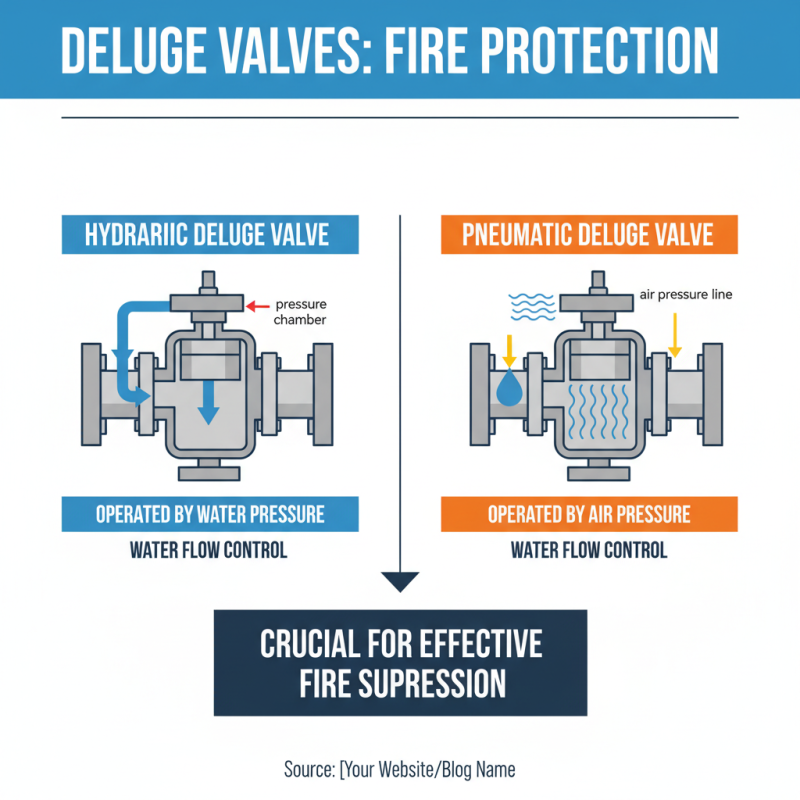
Selecting the right deluge valve is crucial for effective fire protection. There are several types available on the market, each with unique functions. For example, a hydraulic valve uses water pressure to operate, while a pneumatic valve responds to air pressure. Both serve to control water flow during a fire.
In recent industry reports, about 45% of fire incidents occur in commercial properties. A well-functioning deluge valve significantly reduces damage and water waste. Yet, many systems fail because the chosen valve does not fit the specific needs of the facility. It's essential to evaluate the environment and potential hazards before making a decision.
Installation is another critical aspect. Incorrectly placed valves can lead to inadequate protection or slow response times. A deluge valve should be regularly tested and maintained to ensure reliability. Industry standards recommend testing at least once a year. Inadequate maintenance can lead to malfunction. The cost of failure is often much higher than the initial investment in quality equipment. This oversight can be a painful lesson for facility managers.
When selecting a deluge valve, compatibility with existing fire protection systems is paramount. Many facilities rely on complex systems to safeguard against fire threats. A 2022 survey indicated that over 70% of fire professionals prioritize compatibility when upgrading their systems. This ensures that the new components work seamlessly with existing hardware.
Consider the specific requirements of your current setup. For example, the pressure and flow rate must align with the specifications of existing sprinklers or other suppression systems. A mismatched deluge valve can lead to inefficiencies. The National Fire Protection Association (NFPA) suggests that proper integration can enhance overall system effectiveness by up to 30%.
Another critical factor is the material of the valve. Incompatibility with environmental conditions can cause early failures. The valve must withstand elements like humidity and corrosive agents. A study noted that facilities using incompatible materials faced a 25% higher maintenance cost. This not only strains budgets but also increases the risk of operational downtime. It is crucial to review all system components carefully and consult with experts to avoid costly mistakes.
| Criteria | Description | Example Features | Compatibility Considerations |
|---|---|---|---|
| Type of Valve | Identify the specific deluge valve type needed based on system design. | Standard, electric, pneumatic | Check if the valve type complies with the existing system requirements. |
| Operating Pressure | Ensure the valve can operate effectively within the system's pressure range. | 5 - 100 PSI | Verify with existing pressure ratings of connected pipes. |
| Material | Select a valve material that is resistant to corrosion and compatible with the environment. | Bronze, stainless steel, plastic | Consider chemical exposure and temperature variations. |
| Size | Choose a valve size that matches the specifications of the fire protection system. | 2-inch, 4-inch, 6-inch | Ensure the valve size aligns with existing pipework dimensions. |
| Testing & Certification | Confirm that the valve meets relevant safety standards and has been tested accordingly. | UL Listed, FM Approved | Check compatibility with required certifications of the fire protection system. |
When it comes to deluge valves, maintenance and compliance are crucial. Regular inspections ensure that the valves operate correctly in emergencies. Neglecting these can lead to failures when you need them most. Always keep valves accessible for routine checks.
Tips: Create a maintenance schedule. Document every inspection. This helps in tracking performance over time. Ensure that your team is trained to identify issues early. Address any corrosion or leaks immediately.
Compliance with local regulations is vital. Some regions have specific requirements for deluge valves. Understanding these can prevent costly fines. Failure to comply may lead to severe repercussions for your facility.
Tips: Stay informed about changes in regulations. Consult with local fire safety officials. Regularly review your compliance status to avoid any oversights. It is essential to recognize that not all systems are created equal. Tailoring your maintenance plan to your system’s unique needs is key.
© Shipham Valves 2025. All Rights Reserved.
Website By PS Website Design Ltd
Request a Quote/Further Information
Download
We use cookies on this website, by continuing to browse the site you are agreeing to our use of cookies. Find out more.