How to Choose the Best Valve Vendors for Your Needs?
Choosing the best valve vendors is crucial for any industrial operation. According to John Smith, a renowned expert in the valve industry, "Selecting the right vendors can significantly impact operational efficiency." This statement highlights the importance of careful vendor selection.
Valves are essential components in many processes, from oil and gas to water management. The variety in designs and applications makes it challenging to choose the right valve vendors. A wrong decision can lead to costly downtimes and safety issues.
Evaluating potential vendors requires a blend of experience and knowledge. Consider their track record and reputation in the industry. Ensure they meet your specific needs, whether for quality, reliability, or innovative designs. Reflecting on these factors helps in making informed decisions. Overlooked details can lead to significant setbacks, reminding us of the need for due diligence in vendor selection.
Identifying Your Specific Valve Requirements and Applications
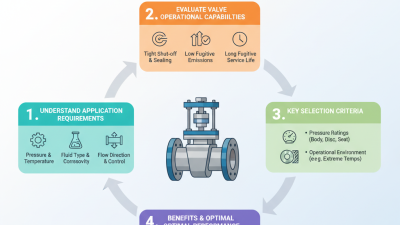
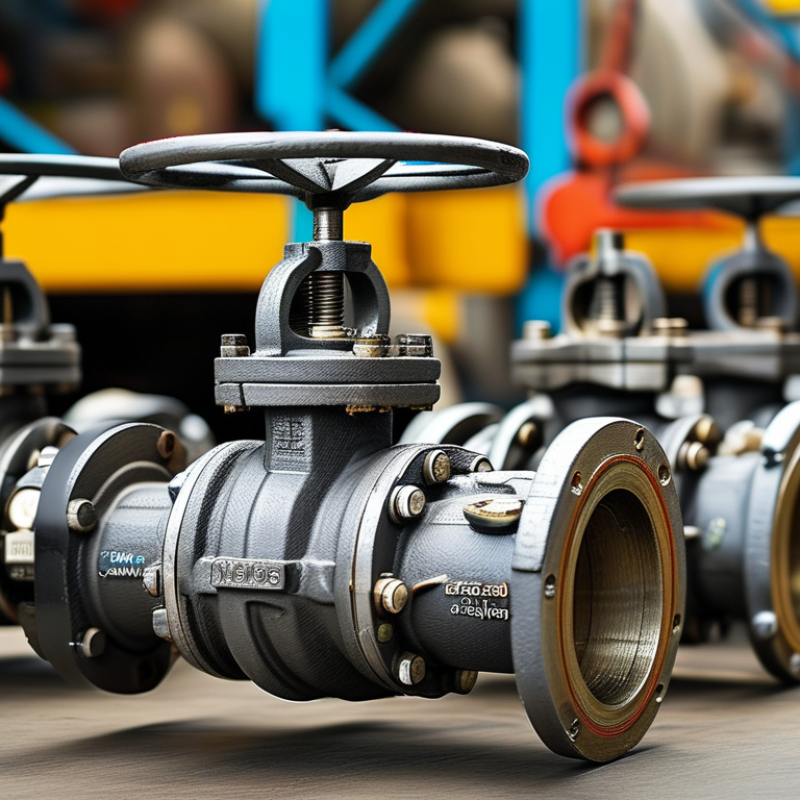
Identifying specific valve requirements and applications is crucial to selecting the right valve vendor. A recent industry report indicates that nearly 40% of valve failures are due to mismatched specifications. Understanding your needs helps prevent costly downtime and safety hazards. Start by assessing the operational environment, including temperature, pressure, and medium. For example, valves for corrosive environments require materials like stainless steel. This decision will significantly influence valve performance and longevity.
Next, consider the application type. Are you dealing with on/off control, throttling, or backflow prevention? Each application demands different valve types and designs. According to a survey by a leading industry association, 60% of respondents reported that specific application knowledge improved their valve selection process. Additionally, a focus on maintenance needs can guide your choice. Easily accessible designs often reduce maintenance time, which can save organizations thousands annually.
Finally, always consult with experienced professionals who understand industry standards and regulations. Their insights can help identify potential issues in your initial assessments. Even minor oversights in valve selection can lead to inefficiencies. It’s essential to reflect on these aspects before making a final decision.
Top Valve Types and Their Applications
This chart illustrates the application frequency of various valve types used in industrial processes. Understanding these applications can help in selecting the best valve vendor to meet specific needs.
Researching Potential Valve Vendors and Their Reputation
Researching potential valve vendors is crucial for effective purchasing decisions. The reliability of valve suppliers significantly impacts operational efficiency. According to a market analysis by the Valve Manufacturers Association, nearly 30% of customers emphasize vendor reliability as a primary factor in their selection. It's essential to assess not just the product offerings, but also the vendor’s track record.
Reputation plays a key role in vendor selection. Customer reviews and case studies provide insights into a vendor's performance. Recent findings indicate that over 60% of procurement professionals rely on peer recommendations and industry reviews to gauge a vendor's credibility. Engaging with industry forums can reveal not only the strengths but also the weaknesses of potential vendors. It's valuable to note that even reputable vendors can falter in certain areas, leading to inconsistencies in service.
While many vendors promise exceptional quality, evaluations often uncover gaps. Some vendors may lack timely response in support or fail to meet delivery deadlines. According to industry surveys, about 15% of valve users experienced issues due to delayed shipments. This highlights the need for thorough research and comparison of vendor practices before making commitments. Investing time in exploring feedback can help ensure a more informed choice in this critical sector.
Evaluating Product Quality, Standards, and Certifications
Evaluating product quality is crucial when selecting valve vendors.
Look for vendors that adhere to recognized industry standards.
These standards often reflect the vendor's commitment to quality and performance.
Certifications, such as ISO, can indicate a rigorous quality management system.
These certifications ensure that products meet specific safety and reliability requirements.
Vendors must regularly pass audits to maintain these standards.
It's also essential to review the materials used in valve production.
Different applications may require unique materials that can withstand specific pressures and temperatures.
Not all vendors will offer the same quality of raw materials.
Research the common materials used and how they perform under expected conditions.
Engaging with past customers can provide insights.
Their experiences may reveal crucial details about long-term performance issues.
Consider the vendor's willingness to provide testing documentation.
Transparency about testing processes can signal reliability.
Some vendors may focus on price reduction instead of product quality.
This practice could lead to performance issues down the line.
Taking the time to evaluate product quality, standards, and certifications can save costs in maintenance and replacements later.
Seek out vendors who prioritize accountability and continuous improvement.
Comparing Pricing Structures and Total Cost of Ownership
When selecting the best valve vendors, pricing structures and total cost of ownership are critical factors. Understand how pricing works. Some vendors have upfront costs that seem low but can lead to higher expenses later. Always inquire about maintenance costs and the lifespan of the products. If a valve is cheap but requires frequent replacements, it may not be wise.
Performing a thorough cost analysis can help clarify the long-term impact. Factor in installation, operational costs, and potential downtime. A valve that saves money on purchase may not be the best choice if it increases maintenance efforts. Balancing initial costs with reliability and longevity is vital.
Reflect on your specific needs. Are you focusing on a specific industry? Tailor your questions to the application. The vendor’s expertise in your sector can make a significant difference. Communicate your requirements clearly to gauge their understanding. A vendor’s response can reveal their reliability and ability to serve your needs effectively.
How to Choose the Best Valve Vendors for Your Needs? - Comparing Pricing Structures and Total Cost of Ownership
| Vendor Type |
Initial Cost ($) |
Maintenance Cost ($ per year) |
Longevity (years) |
Total Cost of Ownership ($) |
| Standard Valve Supplier |
500 |
50 |
10 |
1,000 |
| Premium Valve Supplier |
800 |
30 |
15 |
1,200 |
| Budget Valve Supplier |
300 |
70 |
5 |
850 |
| Custom Valve Manufacturer |
1,200 |
100 |
20 |
2,200 |
Assessing Customer Support and After-Sales Services
When selecting valve vendors, customer support and after-sales services are crucial factors. A reliable vendor should offer timely assistance when issues arise. Customers expect responses to queries within a reasonable timeframe. Quick turnaround can significantly impact project timelines. Vendors who provide clear communication channels show a commitment to their clients.
Evaluating after-sales services is equally essential. This includes installation support, maintenance resources, and training for end-users. Access to documentation can enhance user experience. Good vendors also offer repairs or replacements as part of their warranty services. Consider asking for references to gauge previous customer experiences.
It is essential to note that not all vendors excel in these areas. Some may provide excellent products but lack proper support. This discrepancy can lead to frustration during critical moments. Always weigh the importance of customer support when making your decision. It's about finding a balance between product quality and ongoing assistance.