How to Choose the Best Sheet Metal Prototyping Services?
In today's fast-paced manufacturing landscape, selecting the right Sheet Metal Prototyping service is crucial. According to the 2022 Global Market Insights report, the sheet metal prototyping market is projected to reach $7.5 billion by 2027, reflecting the growing demand for precision and efficiency in product development. A key factor in this growth is the ability to create accurate prototypes quickly, which can significantly reduce time-to-market for new products.
Industry expert Dr. Jonathan Lee states, “Effective sheet metal prototyping can streamline the design process and enhance overall product quality.” This insight emphasizes the importance of choosing a service that understands both the technical and creative aspects of prototyping. When evaluating potential providers, it is essential to consider their experience, technological capabilities, and customer feedback.
However, not all services are equal. A poor choice can lead to significant delays and increased costs. Thus, careful research is paramount. Look for services that demonstrate a track record of reliability and quality. The right sheet metal prototyping partner can ultimately make or break your project. Encourage a thirst for growth and learning, ensuring that you choose wisely to foster innovation and excellence.
Understanding Sheet Metal Prototyping: Key Concepts and Terminology
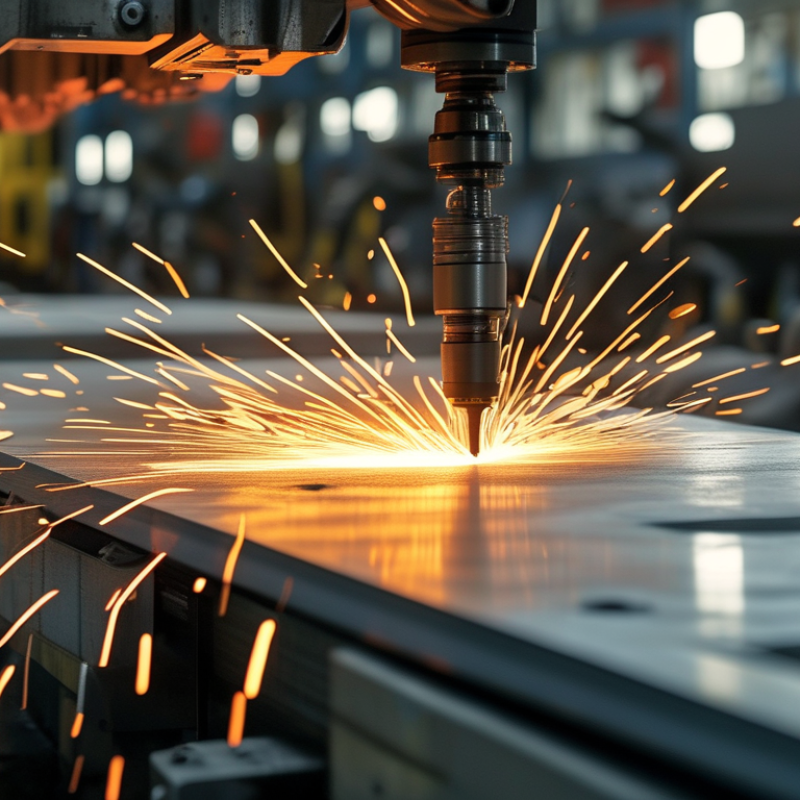
Understanding sheet metal prototyping requires familiarity with several key concepts. Sheet metal refers to thin, flat pieces of metal that are formed through processes like bending and cutting. Prototyping is essential in product development. It helps visualize designs and test functionality. Understanding thickness, material types, and finishing options is critical to ensure the best results.
When choosing a service, consider the importance of accuracy. Prototyping should reflect the intended design closely. Tolerances can greatly impact the final product. Ensure the service can meet specific requirements. Some methods can produce more precise results than others.
Communication with your service provider is vital. Clear specifications can prevent misunderstandings. Discussing materials and finishes upfront can save time. Additionally, reviewing past projects can provide insight into their capabilities.
Another aspect to keep in mind is lead time. Different services have varying production speeds. Consider this when planning your project timeline. Having flexibility in your schedule can be advantageous, especially in complex prototypes. Always verify their reliability through testimonials or case studies. Balancing these elements will lead to better choices in your prototyping journey.
Sheet Metal Prototyping Service Comparison
Evaluating the Experience and Expertise of Prototyping Services
When selecting sheet metal prototyping services, assessing their experience and expertise is critical. Industry studies indicate that 79% of successful projects stem from experienced service providers. Their knowledge can significantly influence the accuracy and functionality of your prototypes. A firm with extensive experience can often anticipate potential issues early in the design phase, saving costs and time.
Look for providers with a robust portfolio. Projects completed in various industries demonstrate versatility. Research shows that companies with diverse experience adapt more readily to client needs. Review their technical capabilities as well. For instance, familiarity with CNC machining and laser cutting is vital. In a survey, 67% of manufacturers stated that advanced technology proficiency correlated with higher quality outputs.
Consider the qualifications of their engineering team. An experienced team fosters innovative problem-solving. In a competitive landscape, those with specialized training can offer unique insights. Engaging with professionals who hold certifications reflects a commitment to industry standards. Their insights can refine your product's design, leading to better market performance. Selecting a service based on these criteria ensures a reliable partnership.
How to Choose the Best Sheet Metal Prototyping Services? - Evaluating the Experience and Expertise of Prototyping Services
| Criteria | Example Values |
| Years of Experience | 5-20 years |
| Types of Prototyping Offered | Rapid Prototyping, Low-Volume Production |
| Materials Used | Aluminum, Stainless Steel, Copper |
| Technology and Equipment | CNC Machining, Laser Cutting, TIG Welding |
| Quality Assurance Process | ISO Certification, In-House Testing |
| Customer Feedback | Positive Reviews, Case Studies Available |
| Lead Time | 1-6 weeks |
| Pricing Structure | Competitive Rates, Volume Discounts |
Exploring Material Options for Sheet Metal Prototypes
When exploring material options for sheet metal prototypes, understanding the properties of each material is essential. Common choices include aluminum, steel, and copper. Aluminum is lightweight and corrosion-resistant. It is ideal for applications that require agility. Steel, especially stainless steel, offers strength and durability. This makes it suitable for heavy-duty applications. Copper is known for its excellent conductivity and is often used in electrical components.
The selection process can be daunting. Different materials can affect production speed and cost. It’s crucial to evaluate the intended use of the prototype. Consider whether weight, strength, or thermal conductivity is more critical. For instance, a lightweight prototype may prioritize aluminum, but might not withstand high-stress environments. Engaging with experienced prototyping services can guide these decisions, as they can provide insights based on project needs.
Many often overlook surface finish options. The finish affects both aesthetics and functionality. An untreated surface can lead to issues like corrosion over time. Painting or anodizing may be required for enhanced protection and appearance. However, these processes can increase costs and production time. Analyzing the trade-offs between material selection and finish decisions is vital to achieving the desired outcome.
Assessing Technological Capabilities and Equipment of Providers
When selecting sheet metal prototyping services, assessing the technological capabilities and equipment of providers is crucial. Research indicates that over 70% of manufacturing professionals prioritize advanced technology when choosing suppliers. High-quality equipment often translates to precise fabrication. Equipment such as laser cutters and CNC machines can produce intricate designs with tighter tolerances, enhancing overall product quality.
The types and age of machinery a provider uses are significant factors. A study by the Fabricators & Manufacturers Association International shows that 63% of shops still rely on outdated technology. This can severely limit their ability to deliver modern prototyping solutions. Current trends favor automation, which increases efficiency and reduces human errors. Companies that invest in advanced equipment typically report up to 30% improvement in turnaround times.
Moreover, it's essential to consider the scalability of the equipment. Some companies may only focus on one-off prototypes. They may lack the capacity to handle larger orders efficiently. This can hinder project growth. Requesting specific examples of past projects can reveal a provider's flexibility and adaptability. Understanding potential limitations is key to finding the right match for your specific prototyping needs.
Comparing Costs and Turnaround Times Among Prototyping Services
When selecting sheet metal prototyping services, comparing costs and turnaround times is crucial. Different services have varying pricing structures based on materials, complexity, and production volume. It's often challenging to find a balance between cost-effectiveness and quality. Cheaper options might compromise on precision or durability, while premium services may offer faster lead times and superior craftsmanship.
Turnaround times can vary significantly among providers. Some companies promise rapid prototyping, claiming to deliver in 24 to 48 hours. Nevertheless, this speed can sometimes mean cutting corners. A longer timeline might reflect a more thorough design review and higher attention to detail. Asking about their workflow can reveal how committed they are to quality.
When evaluating options, transparency is essential. Seek detailed quotes that break down costs, including any hidden fees. Engaging with previous clients can provide insights into reliability and overall satisfaction. Reflecting on these factors will help you make a more informed decision, guiding you toward a service that best meets your project’s needs, without overspending or sacrificing quality.