How to Choose the Best Flail Mowers for Your Needs?
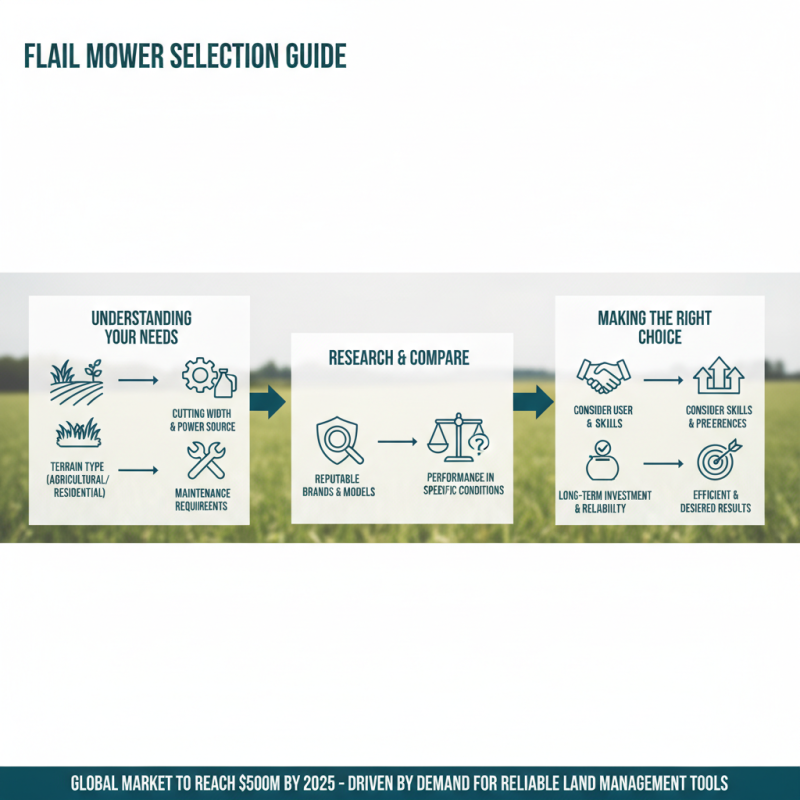
Flail Mowers have gained popularity among landscapers and farmers due to their efficiency in cutting tough grass and brush. According to a report by Research and Markets, the global flail mower market is expected to reach $500 million by 2025, driven by the increasing demand for reliable land management tools. Their versatility makes flail mowers suitable for various terrains, from agricultural fields to residential yards.
When choosing the right flail mower, it's crucial to consider factors such as cutting width, power source, and maintenance requirements. Many professionals cite the importance of researching reputable brands and models before making a purchase. While numerous options exist, not all flail mowers are created equal. Some may not perform well in specific conditions, leading to unexpected maintenance costs or poor performance.
Understanding your specific needs is vital for making a wise investment in flail mowers. Skills and preferences vary among users, influencing what works best for their situations. A careful selection process can prevent regrets later on, helping ensure the chosen mower delivers the desired results efficiently and reliably.
Understanding Flail Mowers: What They Are and How They Work
Flail mowers are versatile tools designed to handle a variety of mowing tasks. They utilize rotating blades, or flails, to cut through dense vegetation. This design allows them to effectively manage brush, weeds, and grass, making them ideal for both commercial and residential use. According to a report by the Agricultural Machinery Association, flail mowers can improve mowing efficiency by up to 30% compared to traditional rotary mowers.
Their operation is straightforward. As the flails spin on a horizontal axis, they strike the ground and vegetation with consistent force. This action ensures a clean cut and incorporates debris back into the soil, which can aid in soil health. However, it's crucial to choose the right model based on your specific needs, such as the type of terrain and vegetation type.
Tips: Always consider the mower's cutting width. A wider cut can save time, but it may be cumbersome in tight spaces. Regular maintenance is key for optimal performance. Check the blades frequently for wear and replace them as needed. This can prevent inefficient mowing and maintain the mower’s lifespan.
Flail Mowers Performance Comparison
Key Factors to Consider When Choosing a Flail Mower
Choosing the right flail mower requires attention to several key factors. First, consider the size of your property. If you have a large area with dense vegetation, opt for a mower with a reliable engine and wider cutting width. Smaller properties might benefit from a lighter model that is easier to maneuver.
Next, examine the cutting capability. Flail mowers work best when they can handle different types of vegetation. Look for mowers with adjustable cutting heights. This flexibility allows for better performance across varying terrains. Additionally, consider the mower's weight. Heavier models provide stability while cutting rough terrain, but they can also be harder to transport and operate.
Maintenance is another critical aspect. Think about accessibility to parts and ease of service. A mower that is difficult to maintain can lead to longer downtimes. Reviews and user experiences play a huge role here. People often mention the learning curve with certain mowers, which is worth considering. Getting opinions from fellow property owners can provide valuable insights.
How to Choose the Best Flail Mowers for Your Needs? - Key Factors to Consider When Choosing a Flail Mower
| Factor | Description | Importance Level |
| Cutting Width | The width of the mower's cutting area, affecting how efficiently you can cover large areas. | High |
| Engine Power | The horsepower of the motor, determining the mower's capability to handle tough vegetation. | High |
| Weight | The overall weight of the flail mower can impact its maneuverability and ease of transport. | Medium |
| Build Quality | The materials and craftsmanship affect durability and maintenance needs. | High |
| Mowing Height Adjustment | The ability to change cutting heights allows for versatility in different lawn conditions. | Medium |
| Safety Features | Includes features like blade guards and emergency stops to ensure operator safety. | High |
| Price | The cost of the mower which affects budget and financial planning. | High |
Assessing Engine Power and Cutting Width for Efficiency
When choosing a flail mower, engine power and cutting width are critical factors. The engine's horsepower determines how efficiently the mower can tackle tough terrain and dense grass. A stronger engine allows for quicker work and better handling of challenging environments. If you're dealing with overgrown weeds or thick grass, investing in a mower with higher horsepower can save you time and effort.
Cutting width also plays a vital role in efficiency. A wider cutting deck means you can clear a larger area in fewer passes. However, a wider mower might be harder to maneuver in tight spaces. Consider your landscape and the types of tasks you will perform. For example, a mower with a 60-inch cutting width works well for open fields but can struggle in gardens with narrow paths. Think about the balance between power and width; both should match your needs.
Selecting the right specifications requires thought. You might find that a mower with slightly less power meets your needs if the cutting width is perfect. Reflect on your yard and how you plan to use the mower. Gather insights from users who have faced similar choices. This approach reinforces reliability and helps avoid costly mistakes.
Evaluating Durability and Maintenance Needs of Flail Mowers
When selecting a flail mower, durability and maintenance are crucial aspects. High-quality materials can significantly extend the lifespan of your equipment. Look for models made from robust steel components. This choice often means less wear and more efficient operation. Despite this, some users may overlook regular maintenance, leading to unforeseen issues. A mower that appears sturdy might not perform well without proper care.
Maintenance needs vary between flail mowers. Regular oil changes and blade sharpening can enhance performance. Some designs require more frequent checks than others. If you ignore these aspects, even a durable mower can fail. Think about your usage frequency. If you plan to use the mower often, a model with simple maintenance tasks is essential. Also, consider availability of replacement parts. This can affect long-term reliability.
User experiences often reveal that neglecting small maintenance tasks leads to big problems. A mower might run smoothly for a while, but eventually, it will show signs of wear. Keep an eye out for belts and bearings. These components can wear unexpectedly, affecting efficiency. Solicit advice from experienced users. They can provide insights on what to expect during ownership. Make informed decisions for a mower that meets your needs.