How to Choose the Right Gas Valves for Your Needs?

Choosing the right gas valves is crucial for various applications. Gas valves play a significant role in controlling gas flow, ensuring safety and efficiency. These essential components come in various types and specifications, making selection challenging.

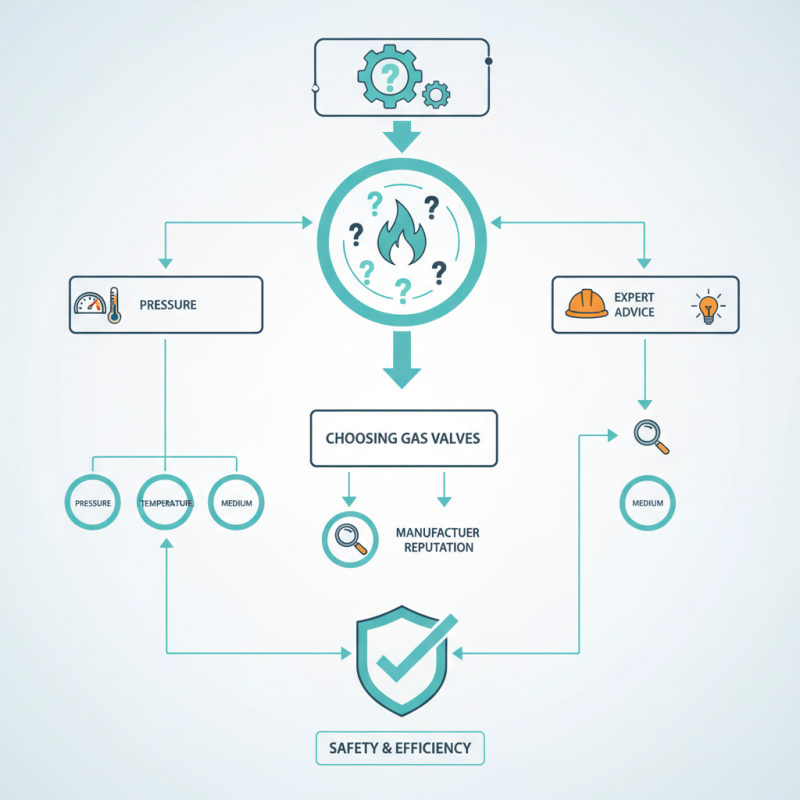
When selecting gas valves, consider the specific requirements of your project. Factors such as pressure, medium, and temperature are important. Understanding these details can prevent costly mistakes. It's frustrating when the wrong valve leads to leaks or operational issues.

Take time to research and compare different options. Manufacturer reputation is critical, as quality varies widely. Don't hesitate to seek expert advice. A thoughtful approach ensures you get the gas valves best suited to your needs, enhancing safety and performance.
How to Choose the Right Gas Valves for Your Needs?

Understanding Different Types of Gas Valves and Their Applications

How to Choose the Right Gas Valves for Your Needs?

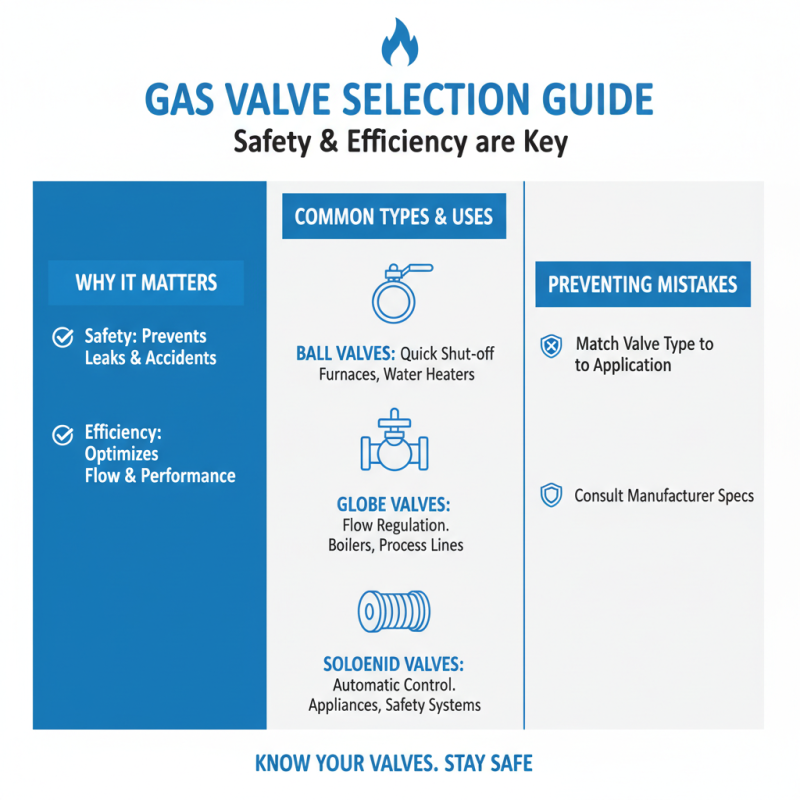
Choosing the right gas valve is crucial for safety and efficiency. Different types of gas valves serve various applications. Knowing their functions helps prevent mistakes.

Ball valves are popular for their quick operation. They allow full flow or complete shut-off. These valves are often used in residential heating systems. They are reliable but can wear out over time. You might face issues if they are not maintained properly.

Butterfly valves are another option. They are lighter and save space. These valves are useful in large gas pipelines. However, they may not provide a tight seal as ball valves do. Understanding these differences can guide your choice. Making an informed decision is vital.
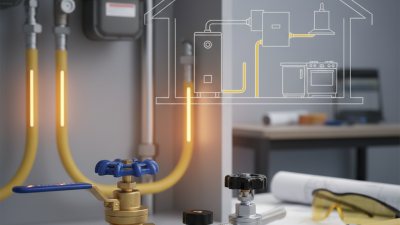
Key Factors to Consider When Selecting Gas Valves for Safety Compliance

How to Choose the Right Gas Valves for Your Needs?

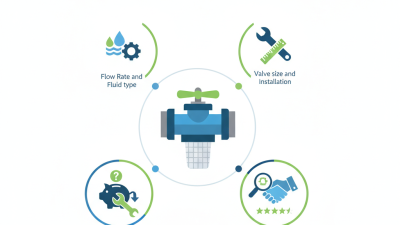
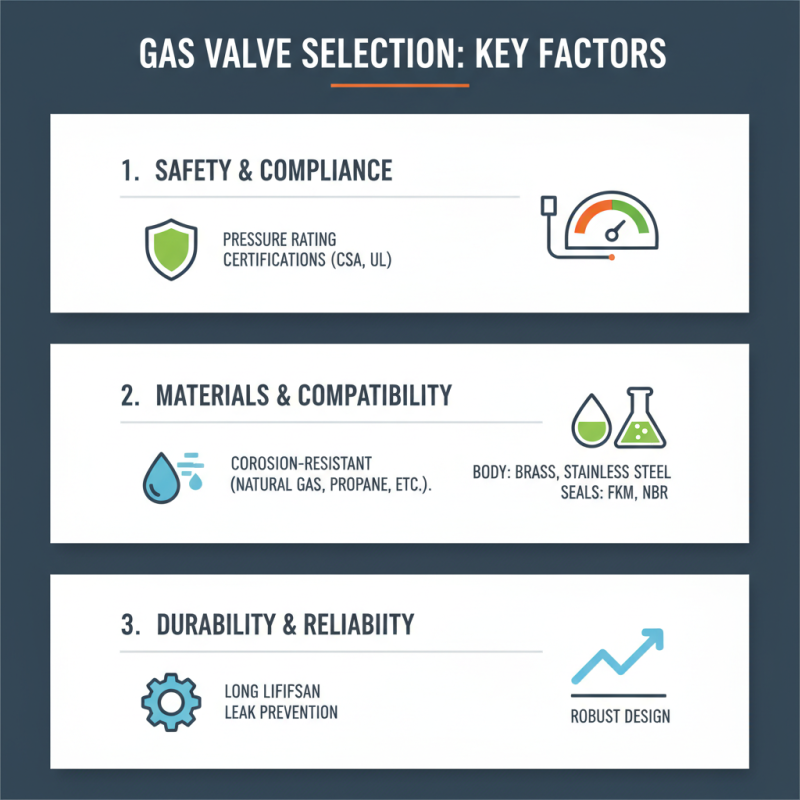
Choosing the right gas valves involves multiple critical factors. Safety compliance is paramount. It ensures that the valves can withstand pressure limits without failure. The materials used in the valve construction also play a key role. They should be resistant to corrosion and compatible with the gas type. This prevents leaks and enhances longevity in functionality.

Another key factor is the valve's size. An improperly sized valve can cause pressure drops or excessive flow rates. This can lead to inefficiencies. You may need various sizes for different applications. Make sure to measure accurately. Consider the environment too; harsh conditions may require more durable designs.

Installation and maintenance are often overlooked. A valve that is difficult to maintain can lead to long-term issues. Regular checks are essential for safety. Also, do not underestimate training for personnel using the valves. A poorly informed team can compromise safety, even with high-quality products. Reflect on these factors carefully before making your choice.

Evaluating Material Compatibility for Optimal Gas Valve Performance

When selecting gas valves, material compatibility plays a crucial role. The right material ensures optimal performance and safety. Common materials include brass, stainless steel, and plastic. Each material reacts differently with various gases. A wrong choice can lead to leaks or failures.

Consider the gas type you will use. For example, corrosive gases require valves made from resistant materials. Stainless steel is often the best choice in such cases. It withstands harsh environments without deteriorating. Plastic valves may be suitable for less aggressive gases. However, they can be brittle under extreme conditions.

**Tips:** Always check the temperature and pressure limitations of the valve materials. It's essential to avoid using a valve beyond its specifications. This could lead to unexpected breakdowns. Never underestimate the importance of environmental factors. They can significantly impact valve longevity and performance. Be mindful of your options and review the compatibility carefully.

How to Choose the Right Gas Valves for Your Needs? - Evaluating Material Compatibility for Optimal Gas Valve Performance

Material Temperature Range (°C) Pressure Rating (PSI) Compatibility with Gas Type Corrosion Resistance
Brass -30 to 180 150 Natural Gas, Propane Moderate
Stainless Steel -100 to 300 250 Natural Gas, Acetylene High
Aluminum -50 to 150 100 Natural Gas, LPG Moderate
Plastic -10 to 120 50 Synthetic Gas Low
Bronze -20 to 200 150 Natural Gas, LPG Moderate

Assessing Pressure Ratings and Flow Rates in Gas Valve Selection

Choosing the right gas valves is crucial for efficiency and safety. One key factor in selection is pressure ratings. Each valve has a specific pressure limit it can handle. Exceeding this limit can lead to failure. Understanding your system's requirements is essential. If you underestimate pressure, it can cause leaks or worse.

Next, consider flow rates. The valve must match your system's flow needs. A valve that is too small won’t perform efficiently; it may restrict gas flow, compromising system functionality. Conversely, an oversized valve can make control difficult.

Tips:
Always check the manufacturer's specifications. Remember to consult with professionals before making a decision. They can provide insight based on real-world experiences. Validate your calculations. Small errors can lead to significant issues later. Always plan for potential system changes when selecting a valve.

Maintaining and Testing Gas Valves: Best Practices for Longevity

Maintaining gas valves is crucial for safety and efficiency. Regular inspections can extend their lifespan significantly. According to industry reports, proper maintenance can improve performance by up to 30%. It is vital to follow best practices to avoid costly replacements.

Routine checks should include leaks and corrosion assessments. A simple leak test can save time and resources. Over 50% of valve failures are due to neglect and poor maintenance. Additionally, careful calibration ensures reliable operation. Inadequate testing methods can lead to potential hazards.

It's essential to document maintenance activities. Records help track changes and performance history. Some companies still overlook this step. Ignoring it can lead to repeating past mistakes. Adequate training for personnel is key. Misunderstandings about valve operation can result in accidents. Remember, knowledge is the foundation of safe practices.

Request a Quote/Further Information

    Download