How to Choose the Best Ground Rod Copper for Your Needs?
Choosing the best Ground Rod Copper for your needs is crucial in ensuring electrical safety. Industry experts highlight the importance of the right materials for grounding systems. According to a report by the National Electrical Manufacturers Association, around 70% of electrical failures are due to inadequate grounding.
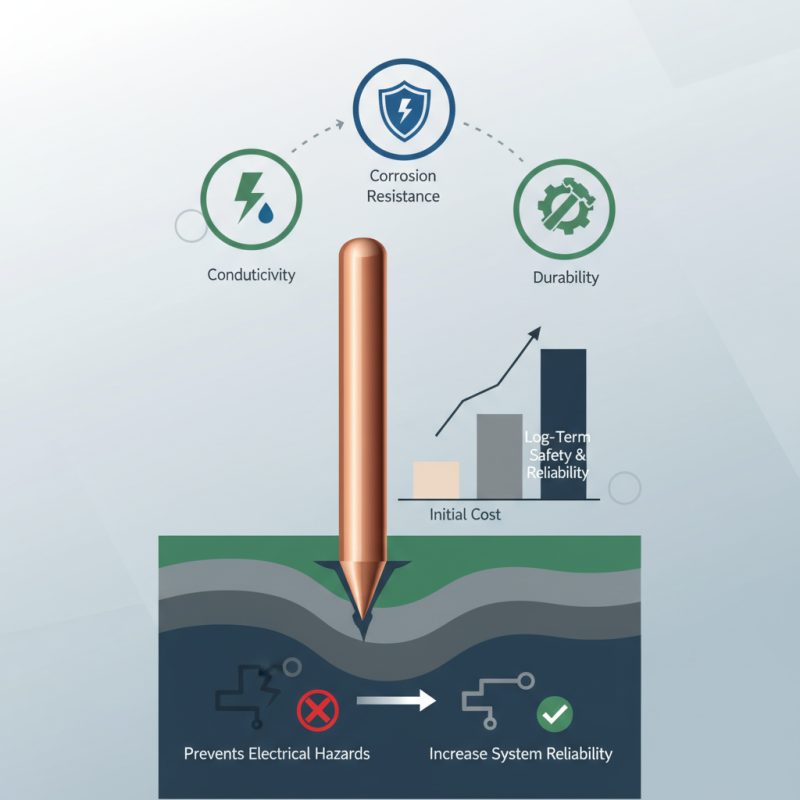
Expert engineer John Smith states, "Proper grounding with high-quality Ground Rod Copper prevents electrical hazards and increases system reliability." His insights reflect the core benefits of using superior materials in your grounding solutions.
When selecting Ground Rod Copper, consider factors like conductivity, corrosion resistance, and overall durability. It’s not just about price; it’s about long-term performance and safety. The right choice can prevent future costly repairs. Investing in high-quality Ground Rod Copper may seem overwhelming, but it is essential for every project’s success.
Understanding the Importance of Grounding in Electrical Systems
Grounding is essential in electrical systems. It ensures safety and protects equipment from damage. According to the National Fire Protection Association (NFPA), improper grounding contributes to 30% of electrical fires. Proper grounding minimizes electrical shock risks and ensures system reliability.
When selecting a ground rod, consider conductivity. Copper is a top choice due to its excellent electrical properties. A study showed that copper rods provide better performance in most soil conditions compared to other materials. This is crucial for longevity and effectiveness.
**Tip:** Always assess soil conditions before installation. Conduct a resistivity test to determine the best grounding solution.
Regular inspections are vital. Over time, corrosion can weaken the grounding system. The IEEE suggests checking the resistance of your ground systems annually.
**Tip:** Use a multimeter to measure resistance. Aim for a reading below 25 ohms for effective grounding.
Understanding the importance of grounding can prevent costly repairs and enhance safety. It's crucial to invest time in the right materials and practices. Always prioritize safety and compliance with local codes.
How to Choose the Best Ground Rod Copper for Your Needs? - Understanding the Importance of Grounding in Electrical Systems
| Ground Rod Type | Material | Length (Feet) | Diameter (Inches) | Resistance (Ohms) | Application |
| Solid Copper Ground Rod | Copper | 8 | 0.625 | 2.0 | Residential |
| Copper Bonded Ground Rod | Copper/Bonded Steel | 10 | 0.75 | 1.5 | Commercial |
| Galvanized Steel Ground Rod | Steel | 6 | 0.5 | 3.0 | Industrial |
| Copper Clad Ground Rod | Copper Clad Steel | 8 | 0.625 | 2.5 | Telecommunications |
Types of Ground Rods: Copper vs. Other Materials
When selecting a grounding rod, the material plays a crucial role in performance. Copper grounding rods are often favored for their excellent electrical conductivity and resistance to corrosion. A study by IEEE shows that copper can reduce ground resistance by up to 50% compared to other materials. This makes it a reliable choice for various applications, from residential systems to commercial installations.
On the other hand, galvanized steel rods are another common option. These rods are less expensive but have lower conductivity and a higher risk of corrosion over time. According to research by the National Electrical Manufacturers Association (NEMA), steel rods can increase electrode resistance by as much as 40% after just a few years. This can lead to potential safety risks, especially in scenarios where reliable grounding is critical.
While copper rods have proven benefits, they can be more expensive and may not always be necessary for every project. Analyzing specific site conditions and requirements is essential. Understanding local soil composition, moisture levels, and environmental factors will guide the decision. Each situation is unique, and sometimes a combination of materials can provide the best solution. Choices should reflect both performance needs and budget constraints.
Key Specifications for Copper Ground Rods: Size, Length, and Coating
When selecting a copper ground rod, understanding key specifications can help ensure optimal performance. Copper ground rods typically range from ½ inch to ¾ inch in diameter. The size is crucial; a larger diameter offers better conductivity. However, it may not fit all installations. Consider your specific requirements before making a commitment.
Length is another vital specification. Standard lengths for copper ground rods are 4 to 10 feet. Longer rods provide deeper earth penetration, which can improve grounding quality. However, they may also require additional installation effort and cost. According to the IEEE 1100 standard, achieving proper grounding is essential for maintaining electrical safety and equipment reliability.
Coating can impact overall durability. Some copper rods are coated with protective materials. This coating can prevent corrosion, extending the life of the grounding system. A study by the National Electrical Manufacturers Association (NEMA) suggests that corrosion resistance is important for rod longevity, especially in coastal or humid environments.
Tips:
Consider your soil conditions. If it’s rocky, a shorter rod might be more feasible. Always check local codes, as they may dictate minimum rod lengths and materials. Finally, when in doubt, consult with a grounding expert for tailored advice. Such insights can guide you in making the right choice for your needs.
Industry Standards and Regulations for Ground Rods Installation
When installing ground rods, following industry standards is crucial. The National Electrical Code (NEC) provides guidelines that dictate the installation depth and spacing for ground rods. Typically, rods should be at least eight feet long and driven into the ground until only a few inches are exposed. This compliance ensures effective grounding, reducing the risk of equipment failure.
The International Electrotechnical Commission (IEC) emphasizes the importance of low-resistance grounding. Data shows that a resistance value below 25 ohms is ideal for preventing electrical surges. In contrast, higher resistance could expose systems to potential damage. Following these standards not only safeguards equipment but also protects personnel.
However, challenges remain. Soil condition affects grounding performance significantly. Rocky or sandy soils can complicate installation efforts. Regular assessments of grounding effectiveness are needed, especially in varying climate conditions. This practice ensures systems remain safe and efficient over time.
Ground Rod Copper Types and their Resistance Levels
Sourcing and Cost Considerations for High-Quality Copper Ground Rods
When sourcing copper ground rods, it's crucial to assess quality and cost effectively. High-quality rods are made from pure copper, offering superior conductivity and durability. Ensure that the rod’s conductivity rating meets industry standards. Consulting with professionals can provide insights on materials and construction techniques.
Price is another important factor. While cheaper options may be available, they often compromise quality. Investing in reliable ground rods may save costs in the long run by reducing maintenance or replacement needs. Compare suppliers to identify reasonable pricing without sacrificing quality. However, don't overlook the importance of certifications that guarantee compliance with safety standards.
Choosing well involves careful consideration of both sourcing and cost. Reflect on your specific needs to determine the optimal rod length, diameter, and installation requirements. Use quality as a benchmark and resist the temptation of low-cost alternatives. Balancing these factors ensures a reliable grounding system for your electrical setup.