How to Choose the Best Air Muffler Silencer for Your Needs?
Choosing the right Air Muffler Silencer is crucial for noise control and equipment efficiency. Recent industry reports indicate that improperly selected silencers can lead to a noise increase of up to 25 decibels in industrial settings. This not only affects the environment but can also violate OSHA regulations, leading to potential fines.
Expert James Caldwell, a renowned specialist in acoustic engineering, notes, “Selecting the best Air Muffler Silencer is essential for operational success and compliance.” His insights highlight the importance of understanding your specific needs before making a choice. Different applications demand different designs, materials, and specifications.
Furthermore, many consumers neglect the impact of quality on performance. For instance, low-cost options might seem attractive but often result in higher long-term costs due to inefficiency. As the industry evolves, so do technologies in Air Muffler Silencers. Staying informed about these developments can guarantee better outcomes. Ignoring this can lead to regrettable mistakes in your selection process.
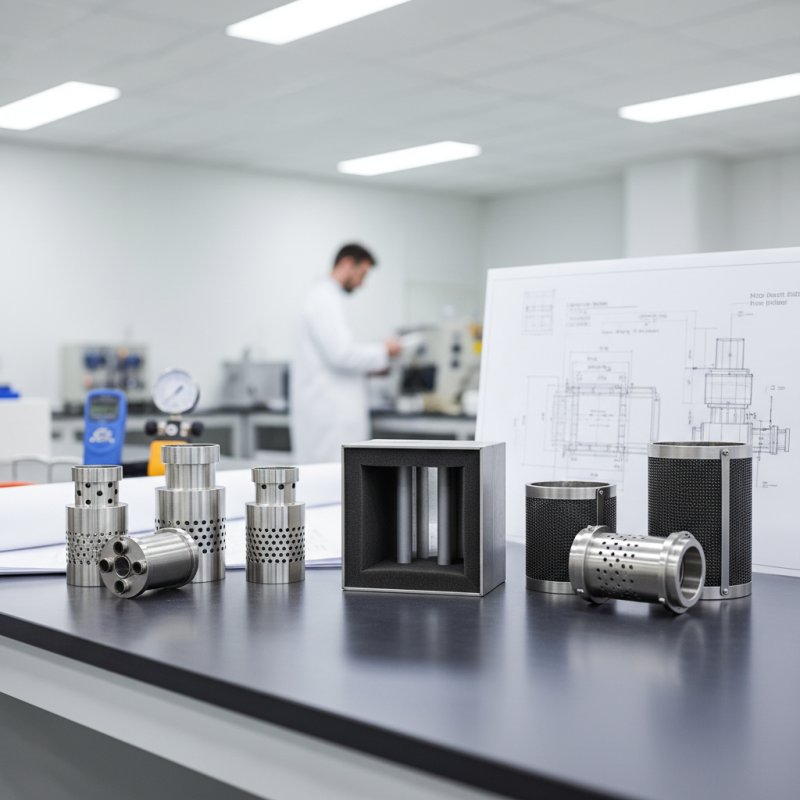
Understanding the Function of Air Muffler Silencers
Air muffler silencers play a crucial role in managing noise levels in various applications. They are designed to reduce the sound produced by air compressors, pneumatic tools, and other machinery. According to the Acoustical Society of America, excessive noise can lead to hearing loss and stress. This makes effective sound management essential in industrial and medical settings.
Silencers operate by dispersing sound waves and minimizing noise output. They can achieve up to a 40% reduction in decibel levels, depending on the design. Different materials affect performance. Metal and foam are common choices, but their effectiveness varies. Manufacturers suggest that the right design can minimize back pressure while maximizing sound absorption.
Choosing the right air muffler is not straightforward. It demands an understanding of noise levels and equipment specifications. Many users overlook compatibility. A mismatched silencer can lead to reduced efficiency and increased wear. Data from the National Institute for Occupational Safety and Health indicates that poorly chosen equipment can result in higher operational costs.
Attention to detail matters when assessing needs. Consider not only noise reduction but also space and airflow requirements.
Factors to Consider When Choosing an Air Muffler Silencer
Choosing an air muffler silencer can be challenging. Many factors influence the decision-making process. According to the Environmental Protection Agency (EPA), noise pollution can lead to health issues, such as stress and hearing loss. A good silencer can help mitigate these problems.
One critical factor is sound reduction capability. Review decibel ratings of potential options. Many silencers reduce noise levels by 20-30 dB, but some may be less effective. Evaluate the specific application and required noise reduction. For instance, industrial settings may need different standards than residential areas.
Material and construction quality also matter. Look for durable materials that can withstand harsh conditions. Some companies report that metal silencers offer better performance than plastic ones. However, they can be heavier and less portable. Think about where you will use the silencer most. Weight and portability may become significant factors. Balancing all these elements can lead to informed choices. The right silencer can provide comfort and protection against harmful noise levels.
Types of Air Muffler Silencers and Their Applications
When selecting an air muffler silencer, understanding the types available helps in making an informed choice. There are generally three main types: reactive, absorptive, and combinations of both. Reactive mufflers operate by redirecting sound waves. They are often used in automotive applications. These mufflers can alter sound frequencies and minimize noise effectively.
Absorptive mufflers, on the other hand, utilize sound-absorbing materials. This type is more common in industrial settings. They dampen noise without altering the frequency. However, they may require frequent maintenance to retain their effectiveness.
Mixed designs combine both features, offering versatility across various applications.
Choosing the right type depends on your specific needs. Consider factors like the environment where the muffler will be used. Think about installation space and noise level requirements. Reflect on how noise impacts your work or leisure activities. It's essential to acknowledge that even the best muffler may not eliminate all sounds. Awareness of these nuances can guide you in finding a suitable silencer.
Evaluating Material and Design for Optimal Noise Reduction
When selecting an air muffler silencer, material and design play crucial roles. Different materials, like metal and rubber, provide varying levels of noise reduction. Metal silencers tend to be durable and effective, but they may be heavier. Rubber options are lighter and can absorb vibrations well, though they may not last as long. Consider how you plan to use the muffler. Will you need something lightweight for easy transport? Or is durability a priority for long-term use?
Design also impacts performance. Look for features like baffles or chambers, which can enhance sound attenuation. Certain designs may suit specific environments better. For instance, outdoor setups might benefit from weather-resistant materials. Meanwhile, indoor spaces could allow for more versatile designs. It’s essential to evaluate your needs carefully.
Remember, not every option on the market meets every requirement. Sometimes, a compromise on material might mean better design efficiency. Analyze your priorities. Maybe you prefer quieter operation over portability, or vice versa. Reflect on what works best for you, and don’t hesitate to test different models. The right choice may take time and experimentation.
How to Choose the Best Air Muffler Silencer for Your Needs? - Evaluating Material and Design for Optimal Noise Reduction
| Material | Design Type | Noise Reduction (dB) | Temperature Resistance (°C) | Weight (kg) |
| Stainless Steel | Straight-through | 30 | 500 | 4.5 |
| Aluminum | Reflective | 25 | 300 | 3.2 |
| Fiberglass | Resonator | 28 | 350 | 2.8 |
| Carbon Steel | Perforated | 32 | 400 | 5.0 |
| Titanium | Collector | 35 | 600 | 3.0 |
Installation and Maintenance Tips for Air Muffler Silencers
When it comes to installing an air muffler silencer, preparation is key. Ensure you have the right tools and read all provided instructions carefully. It's essential to check the compatibility with your existing system. A mismatched silencer can lead to performance issues or excessive noise. Take your time during installation; rushing may result in mistakes.
Tips: Always wear protective gear. Safety should be your top priority. Ensure your workspace is clean. A cluttered space can lead to accidents.
Maintenance is just as critical as installation. Inspect your muffler regularly for signs of wear and tear. Look for rust, dirt buildup, or any unusual noises. A little attention goes a long way in prolonging the life of your silencer.
Tips: Regularly clean your muffler to maintain efficiency. Use a damp cloth to wipe off dirt. It helps avoid costly repairs down the line. Replace any damaged components immediately to prevent further issues.
Air Muffler Silencer Performance Comparison