China Best Small Scaffolding Solutions for Global Buyers?
In the evolving world of construction, Small Scaffolding systems are essential. As global demand grows, so does the need for efficient solutions. According to Dr. Emily Chen, a leading expert in the scaffolding industry, "Small scaffolding's versatility can meet diverse project requirements." This highlights the increasing significance of small scaffolding in meeting specific construction challenges.
Small scaffolding serves various sectors, from residential buildings to large commercial projects. Its compact design enables easy transportation and setup. However, buyers should recognize potential pitfalls, such as inadequate load-bearing capacity or improper assembly, leading to safety risks.
Navigating the global market for small scaffolding solutions can be daunting. Buyers must assess quality, cost, and supplier reliability. Each region offers unique options, which can complicate decision-making. Nevertheless, investing in the right small scaffolding solution can enhance project efficiency and safety.
China's Leading Small Scaffolding Manufacturers and Their Offerings
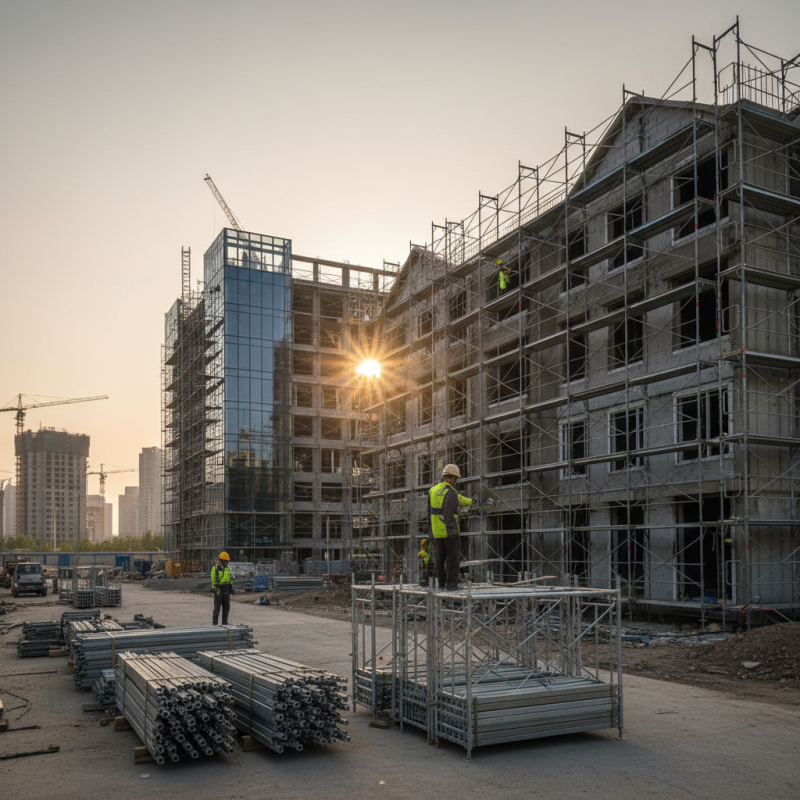
China has gained a reputation as a hub for small scaffolding solutions. The country features numerous manufacturers specializing in effective and reliable scaffolding systems. These solutions cater to diverse construction needs worldwide. Builders can find adjustments for various projects, whether residential or commercial.
When choosing a scaffolding provider, focus on their technical expertise. Experience often indicates reliable and safe products. Look for manufacturers that comply with international safety standards. This commitment enhances trust in their offerings. Understanding the materials used is equally important. Some manufacturers may use lighter materials, which can impact load capacity.
Tip: Always assess the weight limits of scaffolding. Overloading can lead to severe accidents.
Additionally, check customer reviews and testimonials. These provide insights into product performance and reliability. Communication with suppliers is crucial for project-specific requirements. A good manufacturer should be responsive and knowledgeable.
Tip: Keep a list of questions ready before your first inquiry. This ensures you cover all aspects of your project.
Key Features and Benefits of Small Scaffolding Systems from China
Small scaffolding systems from China have gained popularity among global buyers. These systems are versatile and cater to various construction needs. They are particularly beneficial for small-scale projects. Their lightweight design means they are easy to transport and set up.
One key feature is the use of high-quality materials. They ensure durability and safety during use. Many suppliers offer customizable options, allowing clients to choose dimensions that fit their specific needs. Easy assembly is another advantage. Quick setup saves valuable time on-site.
Tips: Always assess the weight capacity required for your project. Test the stability before full use. Also, keep safety gear on hand.
Despite their advantages, there are concerns. Not all suppliers maintain consistent quality. It’s crucial to do thorough research before making a purchase. This ensures you select reliable products that meet safety standards. Ultimately, choosing the right small scaffolding can significantly impact your project's success.
Market Trends: Global Demand for Small Scaffolding Solutions
The global demand for small scaffolding solutions has seen a significant rise in recent years. As construction projects become more complex, the need for versatile and safe scaffolding is paramount. Markets in Europe and North America are increasingly looking for compact options that can be easily transported and assembled on-site.
Small scaffolding offers several advantages. It is often lighter and more maneuverable than traditional scaffolding. This makes it suitable for small residential projects or tight urban spaces. Nevertheless, buyers must consider the quality of materials. Poor-quality scaffoldings can lead to safety risks. It's crucial for purchasers to prioritize reliability and certifications when choosing products.
Sustainability is also a key factor driving demand. Eco-friendly materials are becoming a priority for many contractors. This reflects a broader shift within the industry toward greener practices. However, balancing sustainability with cost-effectiveness can be challenging. Buyers must weigh the benefits of investing in greener solutions against their immediate budget constraints.
Navigating Import Regulations for Small Scaffolding from China
Importing small scaffolding from China requires careful navigation of various regulations. Countries have different requirements. Understanding these can prevent costly mistakes. Before placing an order, check local laws on safety standards. Each country may have specific certifications for scaffolding products.
Documentation is crucial in the import process. Ensure all paperwork is accurate. Keep records of shipping, invoices, and compliance certifications. An error in documentation can lead to delays or fines. It’s wise to consult with logistics experts. They can provide tailored advice based on your destination.
Be aware of customs procedures as well. Some countries impose duties on imported scaffolding. This can impact your overall budget. Research potential fees to avoid surprises. Engaging a customs broker can provide additional clarity. Their expertise can streamline your import process and ensure compliance.
China Best Small Scaffolding Solutions for Global Buyers
| Scaffolding Type | Material | Load Capacity (kg) | Height (m) | Width (m) | Export Compliance | Price Range (USD) |
| Aluminum Folding Scaffold | Aluminum | 250 | 2.0 | 1.2 | Yes | 150 - 250 |
| Steel Baker Scaffold | Steel | 300 | 1.5 | 0.8 | Yes | 100 - 200 |
| Mobile Scaffold Tower | Aluminum | 200 | 3.0 | 1.5 | Yes | 200 - 300 |
| Adjustable Scaffolding | Steel | 350 | 2.5 | 1.2 | Yes | 180 - 280 |
| Platform Scaffold | Aluminum | 150 | 1.2 | 0.6 | Yes | 50 - 100 |
Cost-Effectiveness: Comparing Chinese Small Scaffolding Solutions Globally
When evaluating small scaffolding solutions, cost-effectiveness is a crucial factor for global buyers. China offers a diverse range of options that meet various needs. Quality can vary dramatically among manufacturers. This is why buyers must conduct thorough research to identify reliable sources. Some products may lack proper certifications, leading to safety concerns. Ensuring compliance with international standards is essential.
Chinese manufacturers often provide competitive pricing, which attracts buyers worldwide. However, it's vital to assess the materials used in construction. Low-cost options may not guarantee durability, and that can lead to higher long-term costs. Inspecting product specifications closely can help avoid future issues.
Collaboration with reputable suppliers can enhance the purchasing experience. These partnerships often lead to better pricing and reliable products. Nonetheless, some suppliers may have limited customer support after the sale. Buyers should be prepared to negotiate terms and seek warranties. This step can help mitigate risks associated with inferior quality.
Comparison of Cost-Effectiveness of Small Scaffolding Solutions