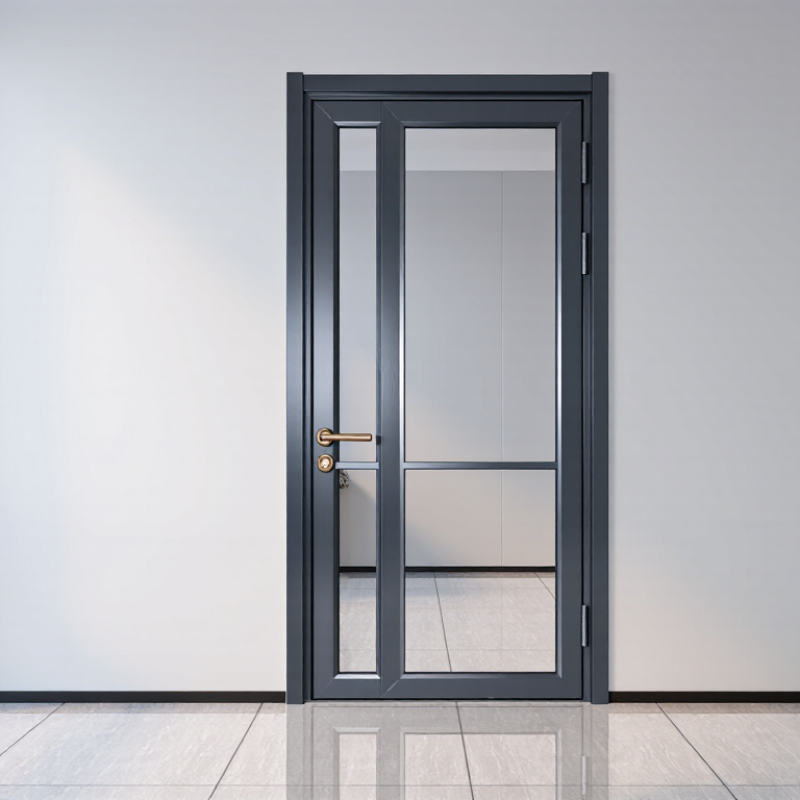
China Best All Aluminum Interior Doors for Global Buyers?

China Best All-Aluminum Interior Doors for Global Buyers?

All-Aluminum Interior Doors are becoming a practical choice for modern homes, hotels, offices, and apartments. Chinese manufacturers now offer slim frames, concealed hinges, sliding systems, and custom finishes for international projects. The appeal is clear. Aluminum resists moisture, insects, and everyday impact better than many wood-based materials. It also supports clean lines and large glass panels.

Daniel Wu, an architectural door systems consultant with more than fifteen years of project experience, explains, “A dependable aluminum door should open smoothly, close quietly, and keep its shape after years of use.” That simple standard matters. Buyers should inspect alloy grades, wall thickness, hardware quality, coating performance, and assembly tolerances. A beautiful sample proves very little by itself. Factory audits, test reports, and completed project references offer stronger evidence.

China can provide competitive pricing and flexible customization. However, low cost should not become the only buying signal. Some doors look refined in photographs but feel weak at the handle. Others have impressive finishes but poor seals or uneven gaps. That is an uncomfortable reality. Even experienced buyers can miss small details during remote purchasing. Clear drawings, approved samples, packaging checks, and pre-shipment inspections reduce avoidable problems. Local installation conditions also deserve attention, especially wall accuracy and floor levels. This guide examines what global buyers should compare before selecting All-Aluminum Interior Doors from China. The goal is not to praise every supplier. It is to identify reliable performance, transparent communication, and value that remains convincing after installation.

China Best All Aluminum Interior Doors for Global Buyers?

All-Aluminum Interior Doors: 6063-T5 Profiles and Core Materials

China Best All Aluminum Interior Doors for Global Buyers?

All-aluminum interior doors depend on two technical choices: 6063-T5 profiles and the core material. The 6063 alloy supports clean extrusion and smooth surface finishing. T5 tempering improves practical strength after controlled cooling. These profiles suit door stiles, rails, frames, and slim glazing borders. Built to fit.

Profile thickness should match the door size, hardware load, and opening frequency. A thicker section is not always better. It can increase weight and complicate installation. Anodizing resists surface wear, while powder coating offers wider color options. Surface preparation still matters. Poor preparation can cause uneven coverage or early peeling.

The core controls much of the door’s real performance. Aluminum honeycomb keeps the panel light and stable, but sound reduction may be limited. Mineral wool can improve acoustic and fire performance when the complete door assembly is tested. Other engineered cores may support impact resistance or moisture control.

Core claims should never stand alone. Buyers need test reports for the finished door, frame, seals, and hardware. In my experience, small gaps around the frame often reduce performance more than the selected core. That detail is easy to overlook.

Ask for dimensional tolerances, corner-joint samples, flatness data, and installation guidance before approving production. A sample exposed to repeated opening cycles can reveal weaknesses that drawings miss. No system is perfect. Careful verification remains essential.

Door Performance Explained: 30–45 dB Sound Reduction and Fire Ratings

China Best All Aluminum Interior Doors for Global Buyers?

For global buyers, acoustic and fire performance deserve more attention than surface finish. Aluminum interior doors may reduce airborne noise by 30–45 dB when tested as complete assemblies. The result depends on the door leaf, seals, frame, glass, and installation. A 45 dB claim can look impressive. It may not match real rooms. Gaps under the door, loose hinges, or unfinished wall joints can reduce performance quickly.

Fire protection is not created by aluminum alone. A rated door needs compatible cores, frames, glazing, seals, hardware, and tested wall construction. Buyers should request reports from recognized testing laboratories. Check the exact rating period, test method, door size, and installation conditions. Local requirements may differ between countries. A document without matching assembly details is weak evidence. This is where specifications often become confusing, even for experienced teams.

Tips: Ask for tested acoustic values, such as Rw or STC, and confirm whether they apply to the complete door set. Request fire-test and classification documents before production. Inspect samples for seal compression and closing alignment. Do not ignore the threshold. It can decide whether sound reduction reaches the promised range. Also, allow a small performance margin, because site workmanship is rarely perfect.

China Best All-Aluminum Interior Doors for Global Buyers: Sound Reduction and Fire Ratings

Acoustic targets are shown from 30 to 45 dB of sound reduction. Common fire-resistance classifications are shown at 30, 60, 90, and 120 minutes. Actual performance depends on the complete tested door assembly, including the leaf, frame, seals, hardware, glazing, wall construction, and installation quality.

Chinese Manufacturing Standards: ISO 9001, EN 14351-2, and QC Testing

China’s best all-aluminum interior doors should be judged by evidence, not polished catalogs. ISO Survey 2023 recorded 1,265,216 valid ISO 9001 certificates worldwide, showing its broad industrial adoption. Yet ISO 9001 controls processes; it does not automatically prove every door is durable.

Chinese factories should connect ISO 9001 procedures with EN 14351-2 requirements for internal pedestrian doorsets, where the standard applies to the project. Buyers should request controlled drawings, material records, inspection plans, and traceable test samples. Useful checks include alloy verification, profile dimensions, coating thickness, corner strength, operating force, hardware cycling, and packaging resistance. Ask for the laboratory name and test date. A certificate without traceability is weak evidence.

Energy performance also deserves attention. The International Energy Agency reported that buildings account for about 30% of global energy demand and 26% of energy-related emissions. Interior doors do not replace a proper building envelope, but accurate sealing and installation still improve comfort and acoustic separation. Factory experience matters here. Inspectors should compare approved samples with random production units, including frame alignment and hidden fasteners. Small defects appear there. One practical weakness remains: many buyers review documents late, after customization begins. Earlier technical review can prevent expensive changes, although it cannot eliminate every installation mistake.

Finish and Durability Data: 60–120 μm Powder Coating and Corrosion Resistance

For global buyers, the best all-aluminum interior door is not judged by appearance alone. Finish data matters. A powder coating thickness of 60–120 μm can provide a firm, even surface when applied correctly. It should resist scratches, moisture, and daily cleaning. Thicker is not automatically better. Poor preparation can cause peeling, bubbling, or weak adhesion. The aluminum surface needs proper cleaning and conversion treatment before coating. Curing temperature and time also require close control.

Coastal projects need stronger corrosion planning. Salt air can reach hinges, cut edges, screws, and concealed joints. Powder coating protects broad surfaces, but it cannot protect exposed gaps. Door corners should be smooth and fully covered. Drainage paths should remain open. Paint alone cannot rescue poor design. Buyers should request coating thickness records, pretreatment details, and test reports with clear methods. Salt-spray results can support comparison, but they do not perfectly predict service life in every building.

During inspection, measure several points on each door, including edges and corners. Check color consistency under natural light. Look for pinholes, rough powder, and impact marks. Aluminum will not develop ordinary red rust, yet it can pit or discolor in aggressive conditions. An honest supplier should explain these limits. I have seen attractive samples fail because hardware was ignored. Batch records and curing records deserve attention. A small finish defect may seem harmless, but it can expose the substrate over time. That detail is easy to miss.

Global Buyer Checklist: Sizes, Hardware, Certifications, MOQ, and Lead Time

For global buyers, the best aluminum interior door is not always the cheapest option. Start with a clear size schedule, including wall thickness, opening width, height, and frame depth. Confirm whether dimensions refer to the door leaf or the finished opening. A three-millimeter error can create costly site adjustments. Ask for technical drawings before production.

Hardware deserves equal attention. Specify hinges, locks, handles, seals, rollers, and finish requirements in writing. Confirm material grades, corrosion resistance, replacement availability, and compatibility with local standards. Request samples of profiles, colors, glass, and hardware. Photos can hide surface defects. They often do.

Certification requirements depend on the destination market and the project type. Ask for current test reports, material declarations, and factory quality records. Fire, acoustic, safety, and environmental claims need evidence for the exact product configuration. Do not accept a certificate covering a different door model. Check the issuing laboratory and report dates. MOQ should match your storage capacity, not only the supplier’s preference. Confirm whether mixed sizes or finishes are allowed. Lead time should include drawing approval, sample review, production, inspection, packing, and shipping. Eight weeks may sound reasonable, but port delays can change the plan. Build a buffer. Our checklist is not perfect; unusual wall conditions and late hardware changes still cause problems. A pre-shipment inspection can reveal missing accessories, uneven coating, or incorrect labels before the doors leave the factory.

China Best All-Aluminum Interior Doors for Global Buyers?

Global Buyer Checklist: Sizes, Hardware, Certifications, MOQ, and Lead Time
Checklist Dimension Typical Specification or Range Recommended Buyer Requirement Documents or Details to Request Common Export Planning Data Check
Door Leaf Width 600–1,000 mm for a single interior door; wider sizes may require reinforced profiles or a double-leaf design. Confirm the clear opening, finished wall opening, frame-to-frame size, and whether the stated width is nominal or actual. Dimensioned shop drawing showing door leaf, frame, clear passage, hinge position, and opening direction. Custom sizes are commonly available; oversized leaves should be confirmed before quotation. Verify
Door Leaf Height 2,000–2,400 mm is a common interior range; full-height designs can extend higher when structurally supported. Specify the finished-floor reference, ceiling condition, transom requirement, and tolerance for installation. Elevation drawing with finished floor level, frame height, transom or sidelight dimensions, and allowable tolerance. Height above approximately 2,400 mm may affect packing, handling, reinforcement, and freight planning. Verify
Frame Depth Common frame depths are approximately 70–150 mm, depending on wall thickness and the selected frame system. Match the frame depth to the actual finished wall, including tile, stone, plasterboard, paint, and skirting. Section drawings, wall-jamb detail, architrave dimensions, installation clearance, and adjustment range. Wall-thickness mismatch is a frequent cause of site rework. Verify
Aluminum Alloy 6063-T5 or 6063-T6 is commonly used for extruded architectural profiles; the exact grade depends on the profile and design load. Require the alloy and temper to be stated in the technical specification rather than accepting only “high-quality aluminum.” Material declaration, mill certificate where required, profile wall-thickness schedule, and extrusion drawings. Typical visible profile wall thickness may be about 1.2–2.0 mm; confirm by approved drawing. Verify
Surface Finish Powder coating, anodizing, wood-effect sublimation, and PVDF coating are common finish options. Define color reference, gloss level, texture, exposed-surface coverage, and acceptable shade variation. Finish sample, color reference, coating thickness report, pretreatment description, and batch-control procedure. Powder-coated surfaces are often specified at approximately 60–120 μm, subject to the coating system and standard. Verify
Panel Construction Typical options include aluminum honeycomb, aluminum composite construction, glass, or aluminum-faced insulated panels. Confirm the core material, panel thickness, flatness, impact resistance, moisture resistance, and repairability. Cross-section drawing, panel composition, adhesive or fixing method, weight per square metre, and test data where applicable. Panel thickness commonly falls around 20–45 mm, but the complete door thickness must be approved. Verify
Glass Option Where glazing is used, laminated or toughened safety glass may be specified according to location and local code. State glass type, thickness, safety classification, edge treatment, spacer, seal, and privacy requirement. Glass certificate, safety-glazing test report, glazing detail, and declaration of performance where applicable. Typical interior glazing may use 6–12 mm glass, but the required thickness depends on size and safety design. Code-Based
Hardware Set Common hardware includes hinges, lock body, cylinder, lever handle, strike plate, seals, door closer, and pull handles. Specify handing, backset, cylinder format, key system, handle finish, hinge load rating, and compatibility with local standards. Hardware schedule, product data sheets, installation templates, spare-parts list, and corrosion-resistance information. Hardware should be approved before mass production because cut-outs and machining are often hardware-specific. Verify
Applicable Hardware Standards Possible references include EN 12209 for mechanically operated locks, EN 1906 for lever handles, EN 1935 for single-axis hinges, and EN 1154 for controlled door closers. Use only the standards relevant to the selected hardware and destination market; do not treat a standard reference as automatic certification of the complete door. Valid test reports, certificate numbers, scope of application, product model, and laboratory information. Standard applicability varies by country, building type, and hardware function. Code-Based
Fire-Rated Requirement Standard interior aluminum doors are not automatically fire-rated. Fire performance must be tested as a complete door assembly. If required, specify the target classification, such as 30 or 60 minutes, and the exact wall and installation configuration. Complete assembly fire-test report, classification report, approved hardware list, glazing approval, and installation instructions. EN 1634-1 may be relevant in some projects, while other markets use different test methods and classifications. Project-Specific
Acoustic Performance Acoustic performance depends on the leaf, seals, frame, glazing, wall, and installation; a generic rating should not be assumed. Set a required laboratory or field rating, such as Rw or STC, and test the complete door configuration. Acoustic test report, test specimen description, perimeter seal details, threshold design, and installation method. Higher acoustic targets normally require continuous seals, heavier construction, and tighter installation tolerances. Project-Specific
Air, Water, and Wind These performance categories are more typical for external doors, but may be requested for special interior environments. Specify the required test method and performance class only when the project conditions justify it. Test report, specimen size, test pressure, seal configuration, and installation limitations. Interior doors generally do not require the same weather-performance data as exterior doors. Optional
Certifications and Compliance Requirements depend on the destination market. Possible documentation includes CE-related declarations for applicable regulated products, UKCA requirements where applicable, and local building-code evidence. Identify the importing country and determine whether the complete door, glazing, hardware, or only specific components are regulated. Declaration of performance or conformity where applicable, test reports, material declarations, safety data, and factory quality records. CE marking is not a universal quality mark for every interior door; applicability must be confirmed for the exact product and market. Verify by Market
Accessibility and Clear Passage Many projects require a minimum clear opening; the exact value is governed by local accessibility regulations and building use. Specify the required clear passage after the door leaf, frame, seals, and hardware are installed. Accessibility schedule, opening-force requirement, threshold detail, and approved hardware arrangement. Nominal door width must not be confused with the final clear opening. Code-Based
Minimum Order Quantity Typical planning ranges: 1 prototype or sample set; approximately 10–30 units for a small custom order; 50–200 units for repeat production. Negotiate MOQ separately for standard sizes, custom sizes, special colors, glass, hardware, and fire-rated configurations. Formal quotation showing MOQ by configuration, tooling charges, sample charges, and conditions for mixed sizes. MOQ is supplier- and configuration-dependent, not an industry-wide fixed value. Confirm
Sample and Approval A physical sample or corner sample is recommended before mass production, especially for custom finishes and hardware. Approve dimensions, color, surface quality, joint lines, handle position, seals, and packaging before releasing production. Signed sample approval, approved shop drawings, finish sample, hardware sample, and deviation list. Sample preparation commonly requires about 7–20 working days, depending on customization. Confirm
Production Lead Time Typical planning range is approximately 20–45 working days after drawing approval, deposit, and material confirmation. Obtain a schedule that separates engineering, sampling, procurement, fabrication, inspection, and packing. Production schedule, critical-path list, approval deadline, inspection date, and shipment-ready date. Special finishes, imported hardware, glazing, and certification testing can extend the schedule. Confirm
Inspection and Quality Control Inspection may cover dimensions, diagonals, opening operation, surface finish, hardware installation, glass condition, and packaging. Use agreed acceptance criteria and define inspection timing before shipment. Inspection checklist, dimensional report, coating inspection record, nonconformity report, and photographic evidence. Pre-shipment inspection is most effective after production is complete but before final packing. Recommended
Packaging Common protection includes foam, corner guards, individual wrapping, reinforced cartons, pallets, and moisture protection. Require protection against abrasion, corner impact, water exposure, and mixed-hardware loss during international transport. Packing specification, carton dimensions, gross and net weights, pallet plan, loading photos, and shipping marks. Packaging dimensions and weights must be included in freight and container calculations. Verify
Spare Parts and Warranty Useful spare items include seals, rollers where applicable, screws, cylinders, handles, hinge components, and touch-up materials. Define warranty scope, exclusions, response time, replacement procedure, and responsibility for installation-related damage. Warranty terms, spare-parts price list, maintenance guide, installation manual, and troubleshooting instructions. A written warranty should identify the product configuration and environmental limitations. Confirm
Buyer Note: Dimensions, MOQ, certifications, and lead times are typical planning references rather than universal guarantees. Final requirements should be confirmed against the destination country's building code, the approved door assembly, and the supplier's signed technical documents.

Request a Quote/Further Information

    Download