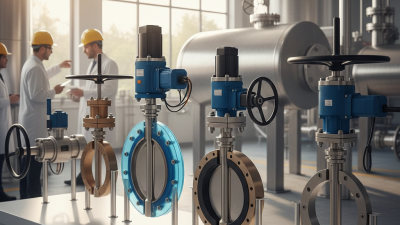
What is a Butterfly Valve and How Does the 3 Butterfly Valve Work?
The butterfly valve is a critical component in various industrial processes. It’s widely utilized for its efficiency in regulating flow. The "3 butterfly valve" is a specific type known for its three-way functionality. According to a report by Valves and Actuators Market Analysis 2022, the demand for multi-port butterfly valves is projected to grow by 15% annually.
Expert in fluid dynamics, Dr. Emily Carter, stated, "The versatility of the 3 butterfly valve makes it invaluable for complex flow systems." This valve type simplifies operations while providing precise flow control. Its design allows for robust performance in harsh environments.
Despite its advantages, there are challenges. Many users face maintenance issues due to improper installation. Exploration into material selection is vital for longevity. Improving design can enhance reliability and user experience. Balancing cost with quality remains a significant concern in the industry.
What is a Butterfly Valve?
A butterfly valve is a type of flow control device. It consists of a circular disk that rotates within a pipe. The disk, when turned, either allows or stops the flow of liquid or gas. This simple design makes butterfly valves popular in various applications, from water systems to chemical processing.
Tips: When selecting a butterfly valve, consider the media it will control. Different materials suit different applications. Check compatibility to prevent leaks.
These valves are often chosen for their efficiency. They take up less space than other types. However, they can wear out over time. A valve that leaks might not provide the needed control. Regular maintenance is crucial, but it can be overlooked.
In many installations, operators face challenges. Sometimes, the position of the valve isn't easy to see. This can lead to incorrect adjustments. Consider adding indicators to help with visual feedback. A small change can significantly improve performance and accuracy.
Performance Comparison of Butterfly Valves
This bar chart compares the flow capacity of three different types of butterfly valves (Type A, Type B, Type C). The data reflects their efficiency in typical operational conditions.
Key Components of a Butterfly Valve
Butterfly valves are crucial in various industries. They control fluid flow with a simple design. The primary components of a butterfly valve include the valve body, disc, and actuator. Each part plays a vital role in its operation.
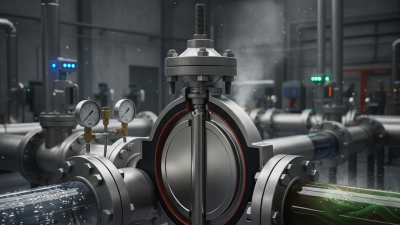
The valve body is the main structure. It houses the disc and connects to the piping. The disc is a flat, circular component that rotates. It opens or closes the flow path. When the disc is parallel to the pipe, fluid can flow freely. When it is perpendicular, flow stops. This basic mechanism is efficient but demands careful design. An imperfect seal can lead to leaks.
The actuator is the driving force. It can be manual, electric, or pneumatic. In a manual setup, a handle allows easy operation. Electric actuators provide precision. They are often used in automated systems. However, choosing the right actuator can be challenging. It needs to match the valve size and application. Misalignment can lead to malfunction. Attention to detail is necessary for optimal performance.
How Does a Butterfly Valve Operate?
A butterfly valve is a simple device that controls the flow of liquids and gases. It consists of a rotating disc that opens or closes the valve. This design allows for quick operation and efficient flow regulation. The disc is mounted on a shaft, which is connected to an actuator. When the actuator rotates the shaft, the disc turns. This action either allows flow or cuts it off completely.
Understanding how a butterfly valve operates is crucial. When fully opened, the disc aligns with the pipe. This position creates minimal resistance, allowing for a smooth flow. Conversely, when closed, the disc blocks the pipe entirely. This transition is swift, making the valve effective for throttling. However, achieving the right positioning can be a challenge. Misalignment might lead to leaks or inefficiency in flow control.
Additionally, the valve can be sensitive to pressure changes. During high-pressure situations, a butterfly valve may not seal perfectly. This inefficiency can require additional monitoring and adjustment. Regular maintenance is essential to ensure optimal functionality. Operators should routinely check for wear and tear, especially on the seals and actuator. An overlooked issue here could lead to costly repairs down the line.
Different Types of Butterfly Valves
Butterfly valves are crucial in flow control systems, especially in industrial applications. Understanding the different types can significantly impact their performance. The main types include concentric, eccentric, and double eccentric butterfly valves. Each type has unique features suited for various environments.
Concentric butterfly valves are ideal for on-off and throttling operations. They provide a tight seal and are commonly used in water and wastewater treatment. Eccentric valves, on the other hand, excel in applications involving high differential pressures. They minimize wear and increase seal life, making them perfect for gas and oil environments. Double eccentric variants further enhance sealing capabilities and are often deployed in high-performance scenarios.
**Tip:** Always consider the fluid's characteristics when choosing a valve. Viscosity and temperature can affect performance.
In a recent study by the Flow Control Industry Report, nearly 40% of valve failures are linked to improper type selection. This statistic underscores the importance of researching valve types thoroughly. Don't overlook the installation and maintenance aspects as well. Regular checks can prevent failures and ensure operational efficiency. Ignoring this could lead to costly repairs down the line.
What is a Butterfly Valve and How Does the 3 Butterfly Valve Work? - Different Types of Butterfly Valves
| Type of Butterfly Valve |
Application |
Advantages |
Disadvantages |
| Wafer Butterfly Valve |
Ideal for tight spaces and low-pressure situations. |
Lightweight, compact design. |
Limited to specific installation types. |
| Lug Butterfly Valve |
Used in applications requiring isolation and dual direction flow. |
Easy maintenance and installation. |
Higher cost compared to wafer types. |
| Flanged Butterfly Valve |
Commonly used in large scale industrial applications. |
Very durable and can handle high pressures. |
Requires more space for installation. |
Applications and Benefits of Butterfly Valves
Butterfly valves are widely used in various industries due to their unique design and efficiency. They can control flow with a simple quarter turn. This capability makes them ideal for applications where space is limited. The valves are typically used in water treatment, HVAC, and oil and gas sectors. According to a report by Research and Markets, the global butterfly valve market is expected to grow at a CAGR of over 5% from 2021 to 2026.
One key advantage of butterfly valves is their low pressure drop. This feature enhances energy efficiency in pumping systems. They can be found in both manual and automated systems. In fact, automation can improve response time in critical processes. However, improper installation or maintenance can lead to leaks. This risk suggests the need for regular inspections and updates.
Another significant benefit is their relatively low cost. Compared to other valve types, butterfly valves are often more affordable. They require less material and are lighter in weight. However, this economy can sometimes compromise durability. It's essential to consider the specific application to ensure optimal performance. As industries evolve, the importance of selecting the right valve type remains critical.